







Guatemala and Mandheling are two representatives of the specialty coffee world with vastly different styles. The former is known for its bright fruity acidity, smoky finish, and elegant balance, while the latter is famous for its full-bodied richness, low acidity, high sweetness, and complex layers. Which one is actually more bitter? The answer is usually Mandheling. This article systematically sorts through the flavor differences between Guatemala Antigua, Huehuetenango, Sumatra Lintong, and PWN Golden Mandheling—from growing environments, regional distribution, and variety structures to processing methods, roasting, and brewing parameters—and shares Front Street Coffee's practical approach to roasting and extraction, helping you more accurately understand and choose between these two types of coffee.
Guatemala SHB represents the country's high-altitude, high-quality coffee. If Mandheling is compared to a steady, weighty masculine character, Guatemala is closer to an elegant, delicate feminine style. It typically presents caramel or chocolate-like sweetness, accompanied by acidity and aroma reminiscent of blueberries and raspberries, with bitterness not being prominent. The intensity is moderate, and when brewed properly, it can achieve a quite elegant cup performance. Returning to the question of which is more bitter between Guatemala and Mandheling, the answer is that Mandheling has a more pronounced bitterness—many first-time drinkers even find it hard to adapt at first—but Front Street happens to be a steadfast supporter of Mandheling.
Coffee flavor is often closely tied to the terroir of its origin, and when combined with the processing methods determined by local climate conditions, it ultimately forms distinctive flavor profiles. Guatemala and Mandheling happen to represent two completely different directions in taste.
Guatemalan coffee is known for its bright fruity acidity and smoky finish. The country borders Mexico to the north, Honduras and El Salvador to the south, the Caribbean Sea to the east, and the Pacific Ocean to the west. With both mountains and seas, tropical rainforests, volcanic geology, highland valleys, and variable microclimates interwoven, Guatemala's coffee beans have developed a unique character. It is precisely for this reason that Guatemalan coffee's finish often carries a hint of smokiness.
Mandheling is an Asian bean, yet it is often mentioned alongside Blue Mountain, as both are established on their full-bodied mouthfeel. Mandheling has a rich aroma, prominent bitterness and body, and a touch of sweetness, and is regarded by seasoned enthusiasts as one of the most full-bodied coffees. Front Street wholeheartedly agrees. Within the specialty coffee realm, Mandheling's body performance ranks among the best; its heavy mouthfeel and low acidity are its hallmarks, while the smooth sweetness of dark chocolate and caramel gives the finish a lasting persistence, with quite complex layers. Especially in the Asian market, Mandheling has always occupied an important position.
Guatemala Growing Environment
Guatemala has a relatively high average altitude, with the coffee belt mostly distributed above 1,500 meters, making it highly prone to producing strictly hard beans. The country primarily uses washed processing, with the specialty-grade proportion reaching as high as 45%, which is quite remarkable. Antigua coffee not only has smooth bean surfaces, high hardness, and excellent quality, but is also known for its perfect fusion of rich acidity and sweetness, with an added touch of smoky aroma that reinforces its deep and mysterious style.
Guatemala is located in the central part of the Americas, occupying a pivotal geographic position in Central America, with a land area of approximately 108,899 square kilometers. The terrain can be roughly divided into highland volcanoes, lowland tropical forests, volcanic sandy coastal plains along the Pacific, and pristine areas along the Caribbean coast. The Sierra Madre mountain range runs east to west, covering about two-thirds of the country, with 34 volcanoes distributed throughout. Rivers and lakes dot the land, equatorial forests and plains jungles cover vast areas, and undeveloped volcanic beaches remain along the Pacific and Caribbean coasts.
Guatemalan coffee ranks among the world's finest. The high-altitude volcanic terrain is precisely the ideal condition for cultivating coffee. Compared to other varieties, tasters prefer the spiced mixed flavors found here. Strictly hard beans are plump, delicious, and well-balanced in acidity—a rare fine coffee. The existence of giant coffee beans has also brought considerable attention to Guatemala.
Guatemala Coffee Regions
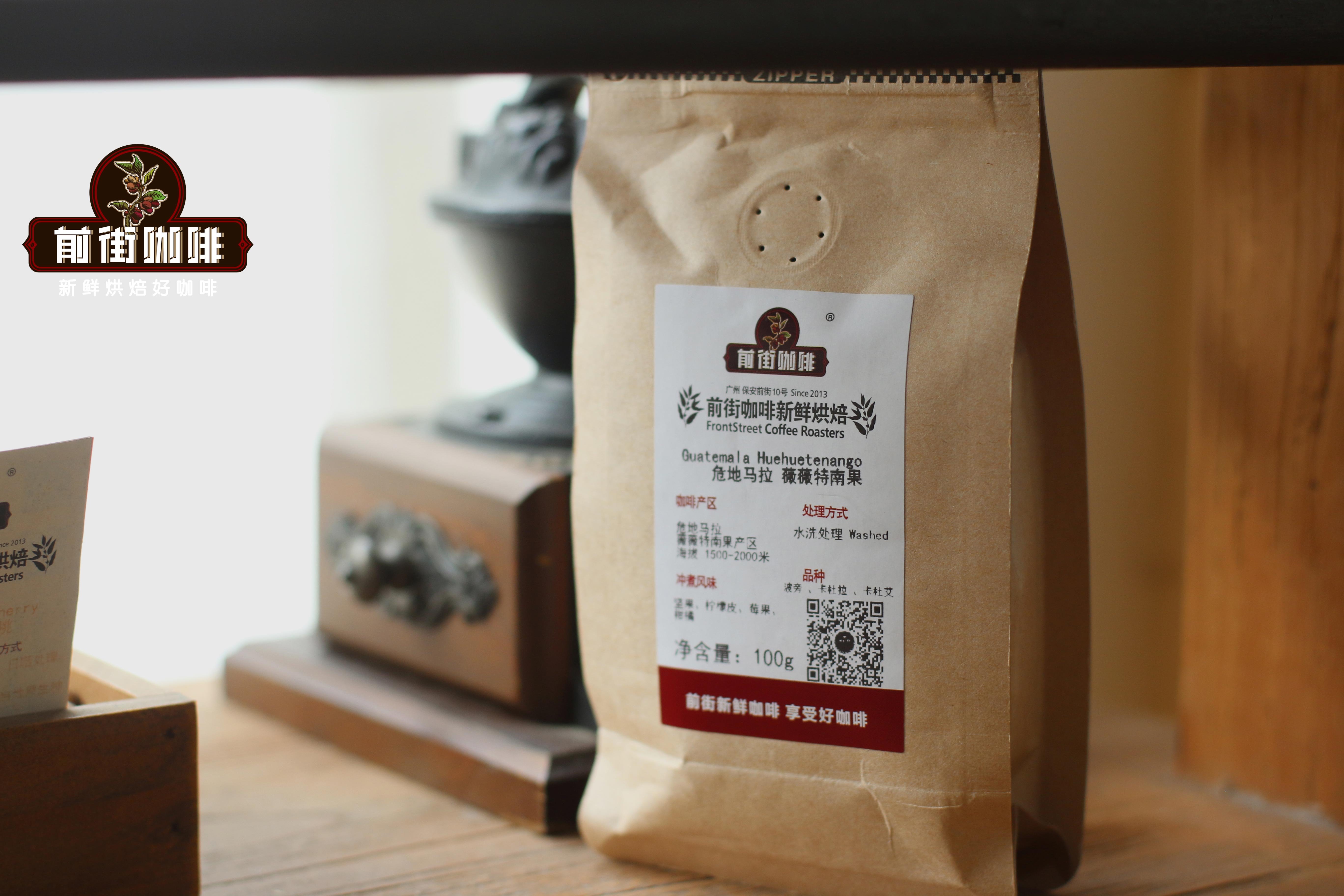
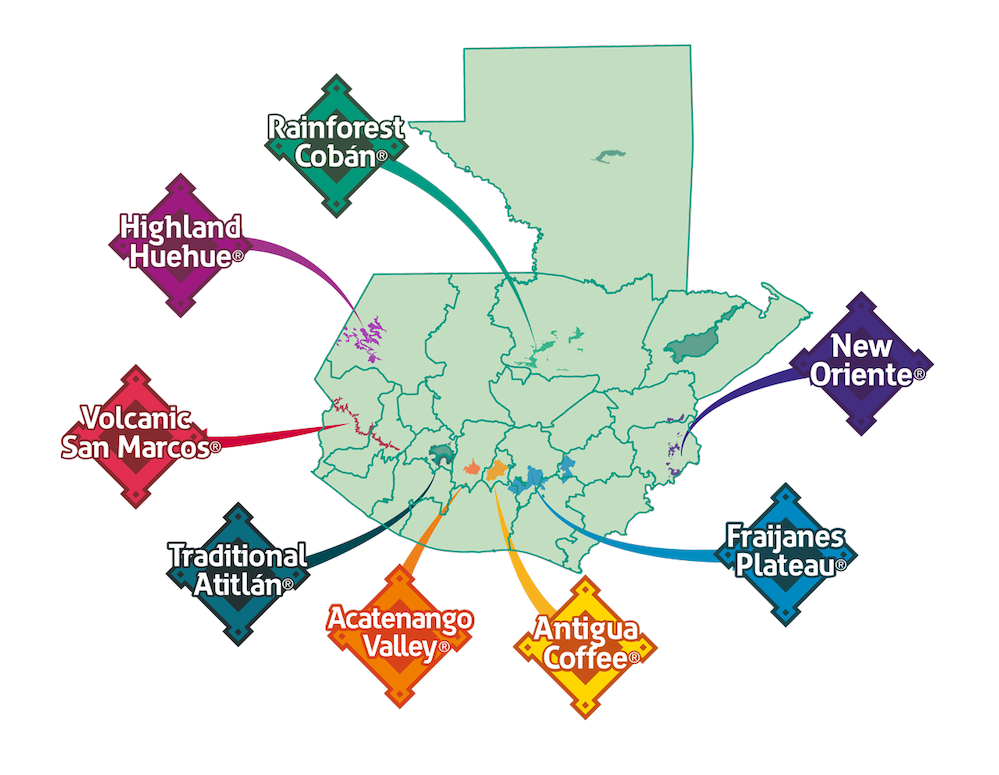
Guatemala has eight major regions in total, divided into five volcanic regions and three non-volcanic regions. The five volcanic regions are: Antigua, Acatenango, Lake Atitlán, Volcán San Marcos, and Fraijanes Plateau. The three non-volcanic regions are: Huehuetenango, Cobán, and New Oriente.
Guatemala's two most renowned regions are Antigua and Huehuetenango. In the past, Antigua's fame far exceeded Huehuetenango's—especially four or five years ago, when Antigua coffee beans consistently commanded the highest transaction prices among all regions. As the specialty coffee wave progressed, Huehuetenango's quality gradually drew the attention of enthusiasts, and the situation of one region standing alone changed accordingly.
Antigua
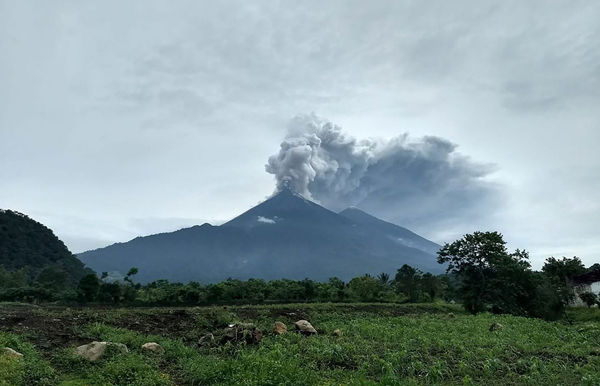
Antigua is a famous coffee-producing area with fertile volcanic soil, low humidity, intense sunlight, and cool evening breezes, forming the region's distinctive characteristics. Three active volcanoes—Agua, Acatenango, and Fuego—surround it, creating a valley landscape. Fuego Volcano occasionally adds a misty dust. Approximately every 30 years, a volcanic eruption occurs near Antigua, replenishing the already fertile land with additional nitrogen, and combined with abundant rainfall and sunshine, this makes the area exceptionally suitable for growing coffee.
Antigua's coffee comes from the Carmona estate, and the best quality among them is called El Pulcal. Not only is its quality outstanding, but when compared with other Latin American coffees, it can also be described as a remarkably complete, richly layered, and astonishingly excellent product. Most importantly, it has a rich flavor, a full mouthfeel, and a fascinating tobacco aroma, earning it the title of "the most perfect coffee bean."
Guatemala Coffee Varieties
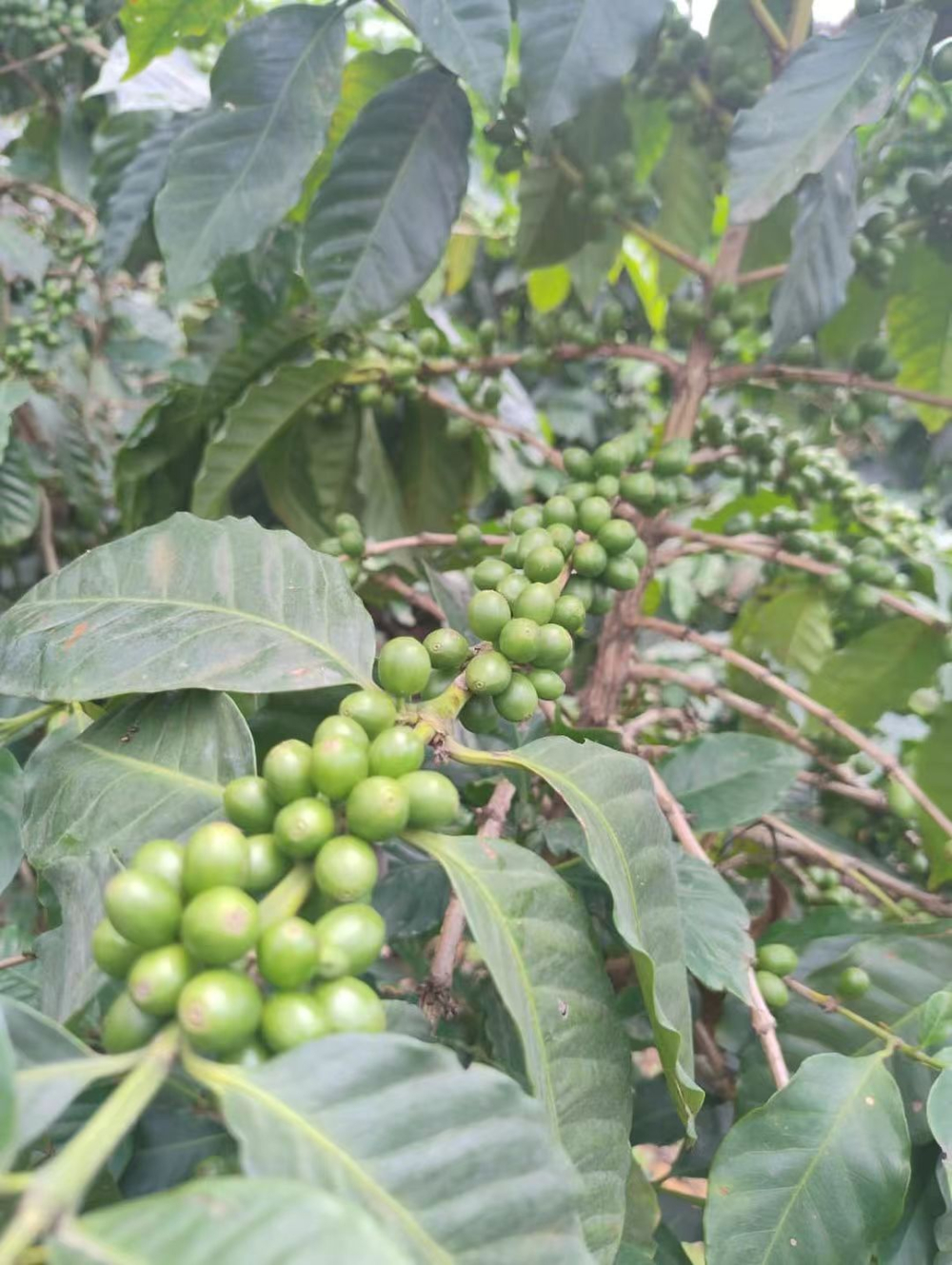
Guatemala's coffee varieties are mainly Bourbon, Typica, Catuai, and Caturra, with small amounts of Yellow Bourbon, Geisha, and Pacamara, as well as the newly cultivated Maracaturra—quite diverse in variety.
The varieties in Front Street Coffee's current batch of Flower of God coffee are Bourbon and Caturra, while the Huehuetenango coffee varieties are Bourbon, Caturra, and Catuai.
Guatemala Coffee Bean Processing Methods
Guatemala primarily uses washed processing, with a small amount of natural. Front Street Coffee often encounters customers asking about the difference between washed and natural. You should know that even coffee beans from the same region and the same estate are divided into washed and natural. Friends who regularly buy Front Street's everyday beans will notice that most of Front Street's everyday beans use washed processing, because washed processing can present a region's basic flavor and is also the starting point for understanding a region's flavor. Natural processing adds sweetness and aroma as well as a fermented quality on top of that.
Mandheling Coffee Growing Environment
Sumatra is the largest island in Indonesia and the sixth largest in the world, located in the northwest of Indonesia, extending from northwest to southeast, with the equator passing through its center. The terrain is high in the northwest, with the Barisan Mountains running through it, predominantly Arabica, which is the main Mandheling producing area; the southeast is low, mostly flatland or swampland, predominantly Robusta. The entire island has over 90 volcanoes and numerous volcanic lakes, providing fertile soil for coffee growth. Thanks to this, Sumatra has the country's earliest harvest season—November to March of the following year.
Lintong Mandheling
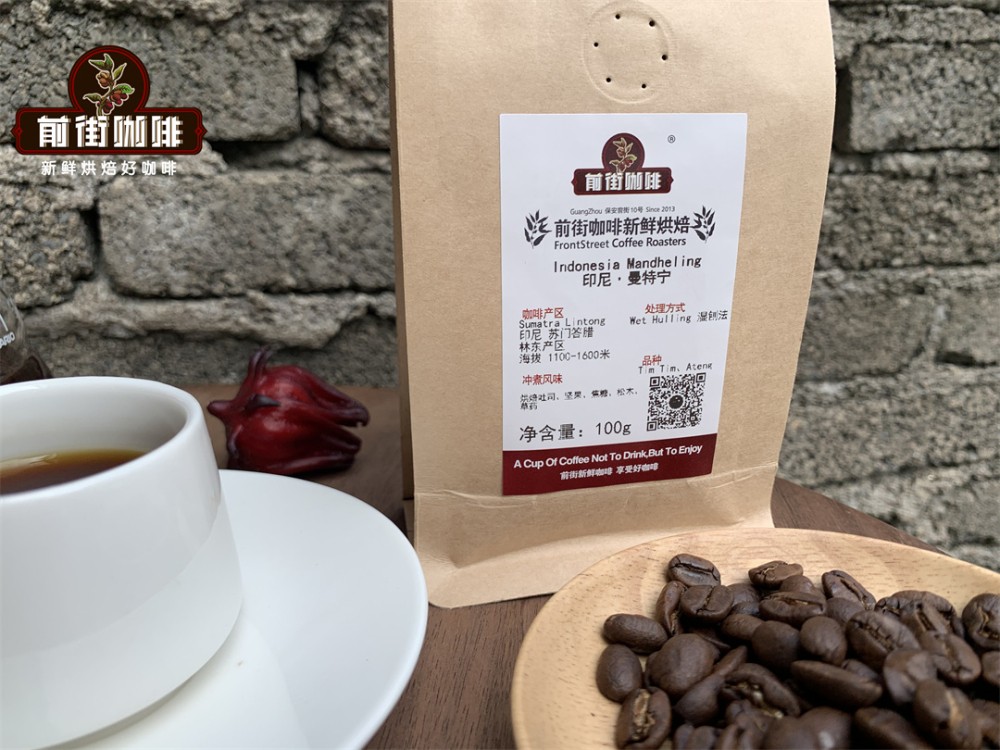
Lintong Mandheling comes from the Lintong highlands near Lake Toba in north-central Sumatra, which is the conventional version of Sumatra Mandheling. Mandheling broadly refers to semi-washed or natural beans from around Lake Toba, especially the Lintong highlands on the southwestern shore at 900-1,200 meters altitude, with Batak coffee farmers as the main workforce, once praised as the world's most plump coffee beans.
Front Street carries everyday bean Mandheling coffee and single-origin Golden Mandheling coffee. Golden Mandheling has a cleaner, fuller body and stronger sweetness than regular Mandheling, without the piney flavor commonly found in Mandheling.
Mandheling Coffee Bean Varieties
Indonesia has a long history of coffee cultivation, initially dominated by Arabica, but due to leaf rust disease, currently about 90% of Indonesia's exported coffee beans are Robusta, with only 10% being Arabica. Front Street's Lintong Mandheling variety is TimTim Ateng, and Golden Mandheling is labeled as variety Ateng. In fact, TimTim is Tim, an Arabica variety with Robusta lineage; Ateng is Catimor, a cross between Caturra and Catimor. These variety names are simply local customary terms.
Mandheling Coffee Bean Processing Method
Mandheling uses wet-hulling processing. Indonesia has year-round high temperatures and humidity, lacking prolonged sunlight, with humidity ranging between 70% and 90% year-round, making pure natural processing clearly unrealistic. For Sumatra with its changeable weather, even washed processing struggles to free up a week of clear weather for drying, so wet-hulling was born out of necessity, and it unexpectedly created Mandheling's one-of-a-kind flavor.
Front Street's Approach to Roasting Mandheling Coffee Beans and Guatemala Coffee Beans
To highlight Mandheling's traditional full-bodied mouthfeel, Front Street's roasters use a darker roast level when roasting Mandheling. Guatemalan coffee itself carries the nutty and cocoa notes characteristic of Latin America, accompanied by faint floral aromas and soft fruity acidity; Front Street uses a medium-light roast to preserve more floral and fruity aromas and present a clean, bright acidity.
Front Street's Brewing Parameters for Mandheling Coffee:
In Front Street's daily brewing, medium-dark roasted Mandheling generally uses a KONO dripper. The KONO dripper makes the coffee's mouthfeel rounder and fuller, with a more direct flavor expression. Compared to the V60, the KONO dripper has far fewer guiding ribs, with a smooth curved upper surface that allows the filter paper to fit more closely, restricting airflow upward so hot water can only flow downward, creating a siphon-style extraction effect that allows the coffee grounds' aromatic substances to be released more fully, thereby enhancing the full-bodied mouthfeel.
Using a KONO dripper, water temperature 88°C, 15 grams of coffee, 1:15 coffee-to-water ratio, medium-fine grind (75% passing through China standard No. 20 sieve).
[Front Street Lintong Mandheling Coffee Flavor Profile] Rich nutty notes, with a hint of melon aroma in the finish; as the temperature drops, herbal plant flavors emerge, with a full body and rich layers.
[Front Street PWN Golden Mandheling Coffee Flavor Profile] Rich nutty flavor; as the temperature drops slightly, melon, herbal, and spice flavors begin to emerge, with a dark chocolate finish, pronounced caramel sweetness, and a clean, soft mouthfeel.
Front Street's Brewing Parameters for Guatemala Coffee:
Guatemalan coffee beans are medium-light roasted. Light-roasted beans have a lower dissolution rate of coffee substances than dark-roasted beans. Front Street recommends using a faster-flow V60 dripper, higher water temperature, and a finer grind.
Front Street uses medium-fine grind/fine sugar coarseness (80% passing through China standard No. 20 sieve), taking 15 grams of coffee powder, paired with a V60 dripper, 91°C water temperature, a 1:15 coffee-to-water ratio, and a three-stage pouring technique for brewing.
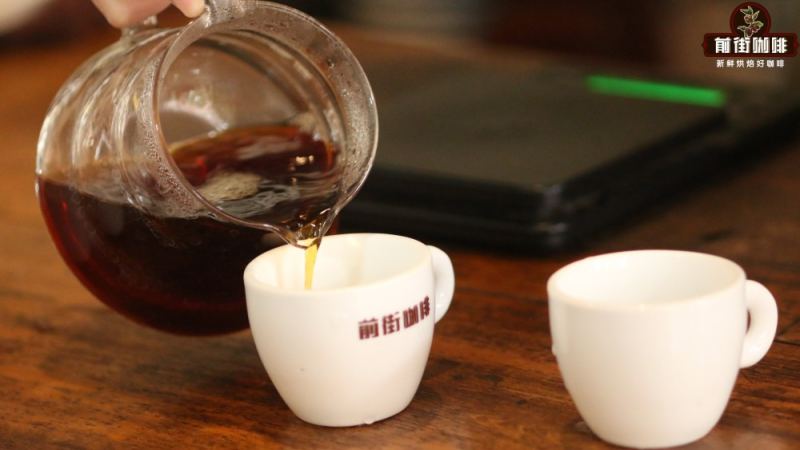
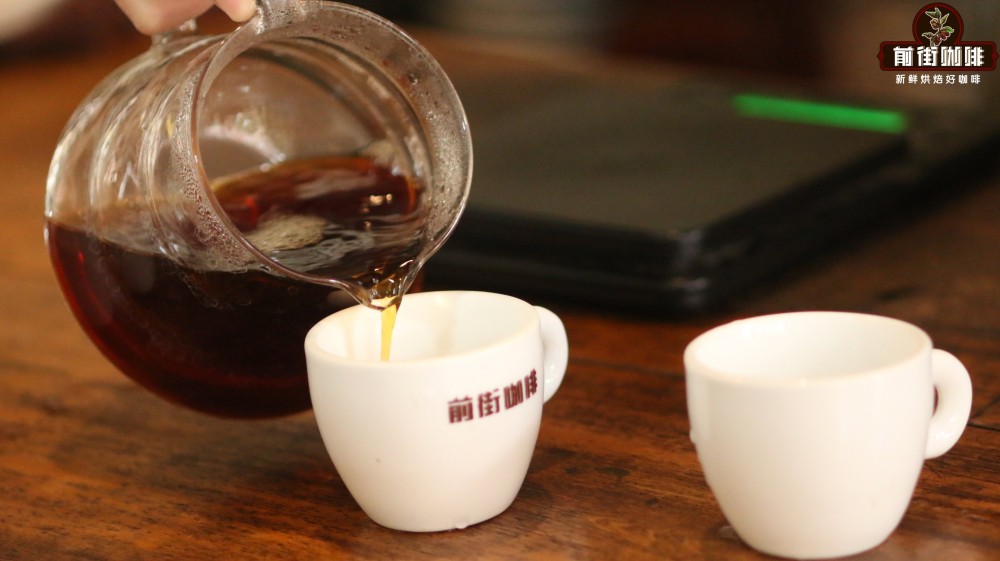
Using three-stage extraction, first bloom with water at 2 times the coffee powder weight, i.e., 30 grams of water for a 30-second bloom. Blooming allows the coffee grounds to release internal carbon dioxide, making subsequent extraction more stable. Pour in a slow circular motion until reaching 125 grams, then pause; continue pouring until 225 grams and stop. Wait for the dripper to finish dripping, then remove it. Timing from the start of pouring, the extraction time is 2 minutes 00 seconds. Next, swirl the entire cup of coffee to mix, then pour into cups for tasting.
Guatemala Flower of God Coffee Flavor Profile: Berry acidity, citrus, slight chocolate, rich layers, smooth mouthfeel.
Front Street's Coffee Brewing Recommendations:
Regarding coffee brewing, Front Street has always believed that the freshness of coffee beans has an enormous impact on flavor. Therefore, all coffee beans shipped by Front Street Coffee are within 5 days of the roasting date. Front Street's roasting philosophy is "freshly roasted good coffee," ensuring every customer who places an order receives their coffee in the freshest state. The coffee resting period is about 4 to 7 days, so when customers receive it, it is precisely at its optimal flavor.
For those who need ground coffee, Front Street warmly reminds you: once coffee beans are pre-ground, there is no need for further resting, because the pressure from carbon dioxide inside the packaging during transport also smooths out the coffee's flavor. So you can brew a cup immediately upon receiving ground coffee. However, ground coffee should be brewed promptly, because after exposure to air it oxidizes quickly, flavors dissipate faster, and quality declines accordingly. Therefore, Front Street recommends buying whole beans and grinding fresh for each brew to better enjoy the coffee's flavor.
For professional coffee knowledge exchange and more coffee bean information, please follow Coffee Workshop (WeChat official account: cafe_style)
For more specialty coffee beans, please add private WeChat Front Street Coffee (FrontStreet Coffee), WeChat ID: qjcoffeex
The above content is compiled by CoffeeHunters, a coffee news website.


