







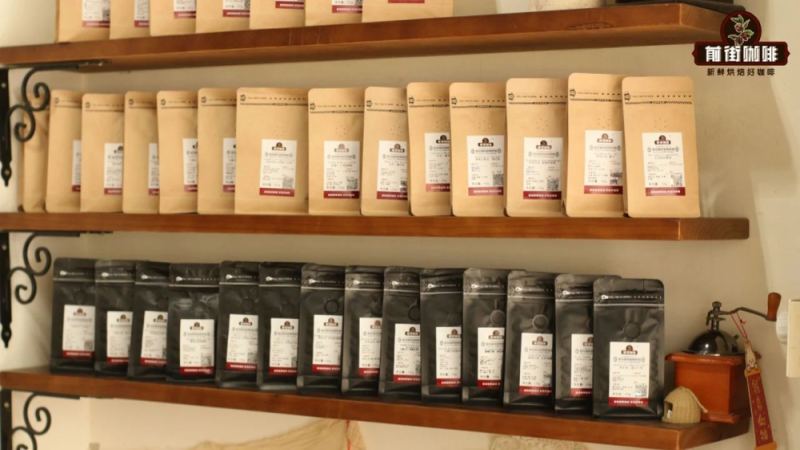
As the mainstay of global coffee, Arabica has strict requirements for its growing environment, typically needing to be cultivated at high altitudes of 800 to 2200 meters without frost. The temperature difference between day and night brought by higher altitude slows down the fruit ripening process, which is conducive to the accumulation of flavor compounds and makes the aroma more solid. The unique microclimates of different producing regions inject diverse personalities into Arabica, forming distinctive regional flavors. For beginners new to specialty coffee, starting with representative coffees from well-known origins and tasting them via pour-over is an effective path to experiencing coffee's original flavors and regional differences. This article will introduce specialty coffee beans from producing regions such as Indonesia, Ethiopia, China Yunnan, and Colombia in turn, along with recommended products from Front Street Coffee and suitable brewing methods, to help readers build a preliminary understanding of coffee flavors.
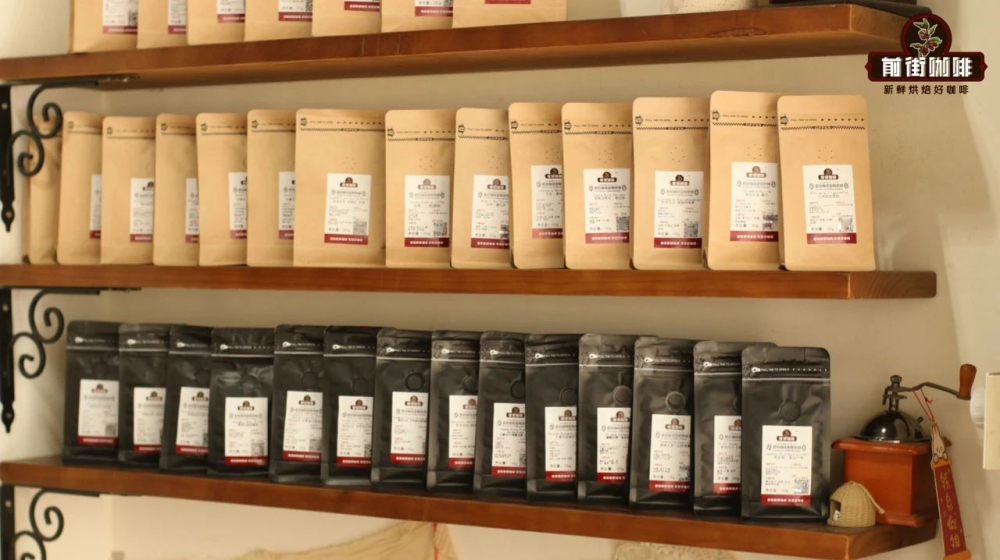
Arabica occupies a major position among global coffee beans. Its cultivation conditions are quite particular, requiring highland environments at altitudes of 800–2200 meters without frost. The higher the altitude, the greater the temperature difference between day and night, and the ripening process of coffee cherries slows down accordingly, which instead favors the accumulation of flavor compounds and allows the aroma to develop more solidly. The unique microclimate of each coffee-producing region also provides diverse growing conditions for Arabica, further nurturing regional flavors with the imprint of their origin.
For beginners just stepping into the world of specialty coffee, many professional terms may still be unfamiliar. Therefore, starting by learning about well-known coffees from different origins and then tasting them through pour-over to experience the most authentic flavors of coffee beans and the differences between them is a relatively suitable introductory path.
Recommended single-origin coffee beans from Indonesia: Front Street PWN Golden Mandheling
Indonesia's wet-hulling method was originally a processing method adapted to local conditions, yet it happened to give Front Street Mandheling a flavor personality different from other dark-roasted coffees. With notes of herbs, spices, and wood, it has become one of the classic representatives among coffees. Front Street Golden Mandheling undergoes three rounds of hand sorting plus one round of machine sorting to remove defective beans as much as possible, allowing the body and sweetness to be better expressed and the aroma to be more prominent.
Suitable for: moka pot, SOE, pour-over, drip bag, Americano, latte
Recommended coffee beans from Ethiopia: Front Street Ethiopia Huakui
Front Street Huakui has a delicate floral note, with fruit aromas especially vivid. Cream strawberry, mango, jackfruit, citrus, blueberry, and other notes interweave, presenting the ripe tropical fruit character unique to Front Street Sidamo natural beans, thus often leaving a deep impression. What won "Huakui" first place in the TOH green bean competition back then was exactly this rich berry fragrance. Front Street Huakui simultaneously possesses the dual advantages of being delicious and affordable.
Suitable for: pour-over, cold brew, moka pot, SOE
Recommended coffee beans from Ethiopia Yirgacheffe: Front Street washed Gudingding
Yirgacheffe, with its clean and translucent lemon and citrus notes, has become an indispensable member of specialty coffee. Front Street Gudingding Cooperative belongs to Ethiopia's highest grade G1 and uses classic washed processing, displaying elegant white floral, citrus, orange, and green tea flavors.
Suitable for: pour-over, drip bag, cold brew
Recommended coffee beans from China Yunnan: Front Street Yunnan small bean
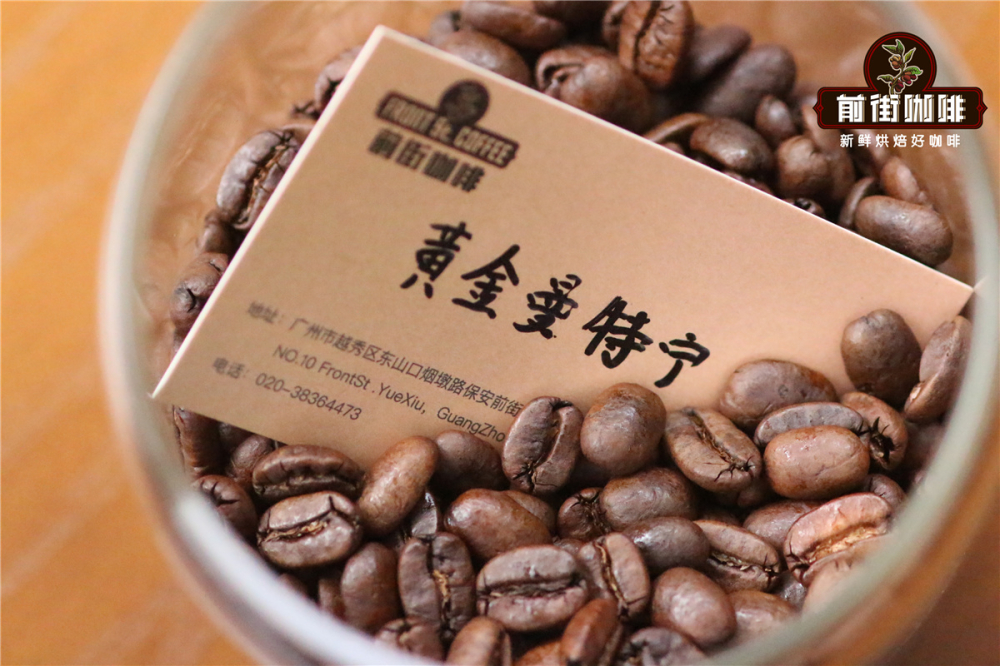
Front Street Yunnan small bean flavor: nutty notes, herbs, chocolate, caramel, with a faint fruity acidity in the aftertaste
The medium-roasted Front Street Yunnan small bean highlights the coffee's own caramelized flavors while also retaining a certain fruity acidity, making the mouthfeel soft and smooth, with a comforting sweet aftertaste.
Recommended coffee from Colombia: Front Street washed Huila
Colombian coffee has consistent quality and a special full-bodied taste. It is widely favored for its unique rich aroma, and its mouthfeel is acidic with sweetness and low bitterness. Depending on the degree of roasting, it can bring out multiple layers of flavor.
The above content is compiled by CoffeeHunters, a coffee news website.


