







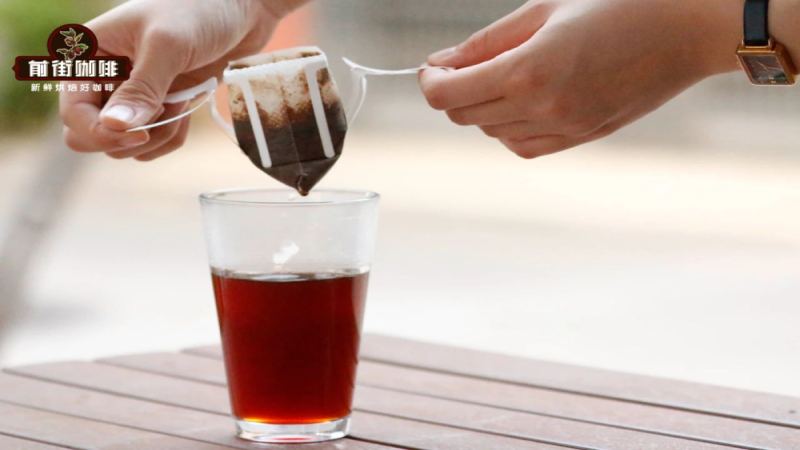
Drip bag coffee has become a daily choice for many coffee lovers thanks to its portability and fresh-ground flavor. But how many times can one bag actually be brewed? And what are its flavor and taste characteristics? This article will start with the origin and definition of drip bag coffee, then gradually introduce the standard brewing steps, storage and brewing precautions, and offer specific purchasing suggestions for Front Street brand based on different taste preferences. At the same time, we will also clearly answer the common question of whether drip bags can be brewed repeatedly, helping you better enjoy the complete flavor of every cup of drip bag coffee.
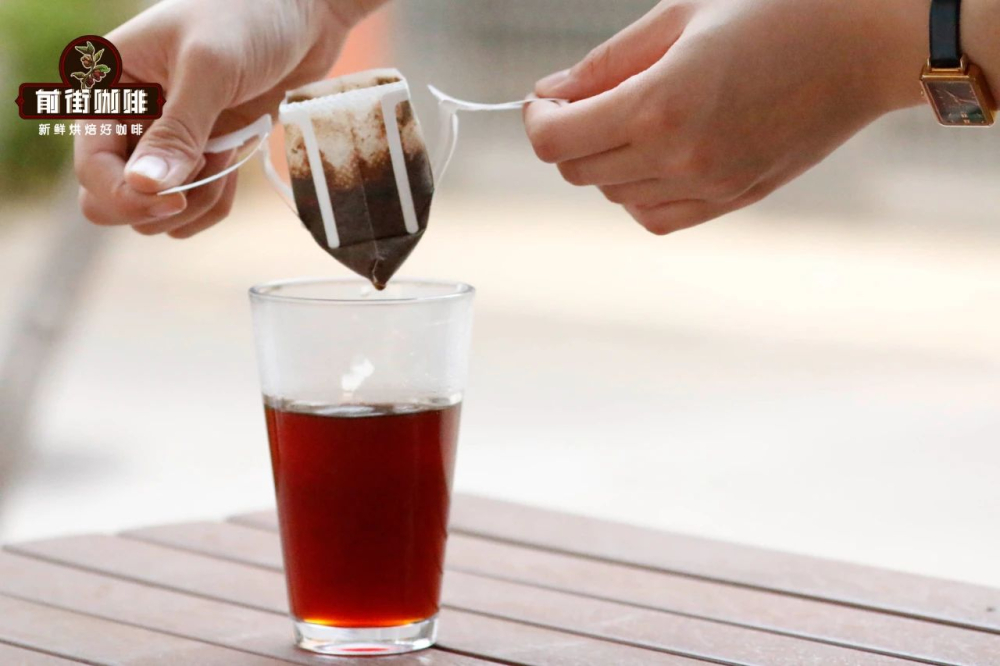
Definition of Drip Bag Coffee
The method for making drip bag coffee is to seal ground coffee in a filter paper bag. The filter bag has hard paperboard clips on both sides that can hook onto the rim of a cup to stay fixed. After brewing, simply remove the filter paper bag and throw it away. This product was first invented by Japanese people, who also applied for a patent. Because the brewing process is similar to pour-over drip coffee, it is also called drip-style drip bag coffee, and belongs to the ready-to-brew fresh-ground coffee category.
Brewing Steps for Drip Bag Coffee
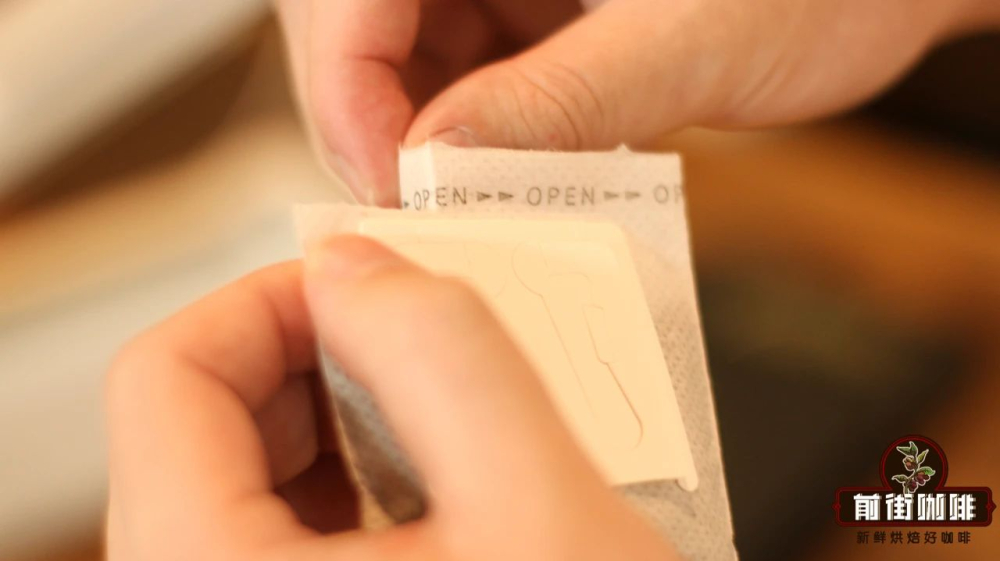
a. Following the tear-open indicator on the packaging bag, steadily tear open the outer bag;
b. Shake the drip bag flat, then tear off the powder bag seal, evenly unfold the hanging ears on both sides, and rest it on the rim of the coffee cup;
c. Boil a kettle of water; purified water works better. After the water boils, let it sit for about 1 minute before use. When pouring, maintain a steady pace and slowly pour into the filter bag. Note that the water flow should not be too fast or too strong to avoid overflow. After the liquid level in the filter bag drops, proceed with the next pour. When the coffee liquid in the cup reaches seven-tenths full, or after adjusting the amount to personal taste, carefully remove the drip bag and discard it (be careful of burns);
d. Please drink as soon as possible after brewing. You may also add sugar or pure milk to adjust the flavor according to personal preference;
Precautions for Drip Bag Coffee
a. Freshness is fundamental to coffee quality. To obtain a better flavor experience, it is recommended to prioritize drip bag products with a production date as recent as possible. Front Street drip bag coffees are all freshly roasted within 5 days, ground and prepared on the spot, and still maintain full flavor upon arrival. If you want to experience the best aroma, please try to finish drinking them within a short period.
b. Drip bags should be stored in a dry, cool place, and try to avoid storing them together with items with strong odors such as spices and seafood. Drip bag coffee past its shelf life not only loses all aroma but also carries a woody taste, so it is not recommended to continue drinking it.
c. The water temperature for brewing drip bags is preferably 85℃ to 95℃. If you do not have a thermometer on hand, you can leave just-boiled water uncovered for 2 to 3 minutes before brewing.
d. Drip bag coffee is a flavored single-origin product; it is recommended to drink it directly to avoid additives masking the characteristics of the single-origin coffee itself.
e. In order to fully present the flavor of each coffee, it is recommended to brew each bag of coffee only once, then discard it.
Taste Performance of Drip Bag Coffee
Drip bag coffee is derived from pour-over coffee, so any single-origin beans suitable for pour-over can be used to make drip bags. When purchasing, you can quickly find a suitable product simply by following your own taste preferences: those who prefer fresh floral notes can choose Front Street washed Yirgacheffe drip bags; those who like full fruity aromas can choose Front Street sun-dried Huakui drip bags; those seeking a balanced taste are recommended Front Street Brazil semi-washed drip bags; those who do not accept acidity and focus on body are advised to buy Front Street Indonesia Mandheling drip bags.
The above content is compiled by CoffeeHunters, a coffee news website.


