







Golden Mandheling is a classic representative of full-bodied coffee, known for its low acidity, richness, and herbal spice aroma. Starting from a Front Street cupping evaluation, this article details the dry aroma, wet aroma, and palate performance of this coffee, and introduces two brewing methods: pour-over and drip bag. It also delves into the Indonesian Sumatra production region, explaining Mandheling's cultivation history, the two core origins of Aceh and Lintong, PWN Company's stringent screening standards, and the wet-hulling process that creates its unique flavor. The article also covers Indonesia's green bean grading system and how medium-dark roasting shapes Mandheling's flavor, making it suitable for coffee enthusiasts who want a comprehensive understanding of Golden Mandheling.
Flavor Characteristics of Front Street PWN Golden Mandheling Coffee
Front Street first evaluated the flavor of Front Street PWN Golden Mandheling through cupping. In the dry aroma stage, notes of nuts, spices, and herbs can be detected. After pouring water, the sweet aromas of licorice and caramel emerge. On the palate, it presents black chocolate, nut, and spice notes, with high overall cleanliness, a clear sweet aftertaste, and outstanding body.
To fully experience the layered changes of Golden Mandheling, Front Street generally chooses pour-over extraction. Before brewing, Front Street will take a bag of Golden Mandheling coffee beans at their optimal tasting period—beans that are too fresh do not easily release their flavor, while beans left too long lose their aroma and taste thin. Front Street only ships coffee beans within 5 days of roasting, striving to let every enthusiast experience coffee at its fullest aroma.
However, considering that friends who work daily may not have ample time for meticulous pour-over brewing, Front Street believes that purchasing Golden Mandheling drip bags is a more convenient choice. To brew a drip bag, you only need a kettle of hot water and a cup to get a fragrant, rich cup of coffee. After drinking, simply discard the filter bag together with the coffee grounds, saving many steps. For beans of outstanding quality like Golden Mandheling, as long as they are fresh enough, Front Street feels that even simple pouring can reveal a rich, layered, and full-bodied flavor.
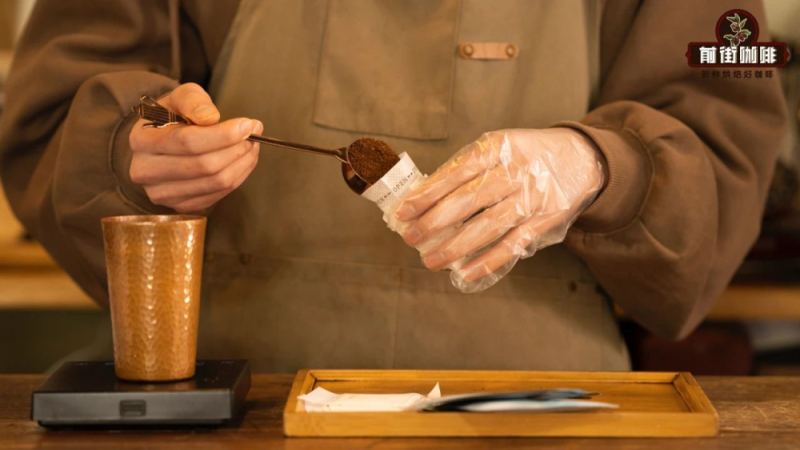
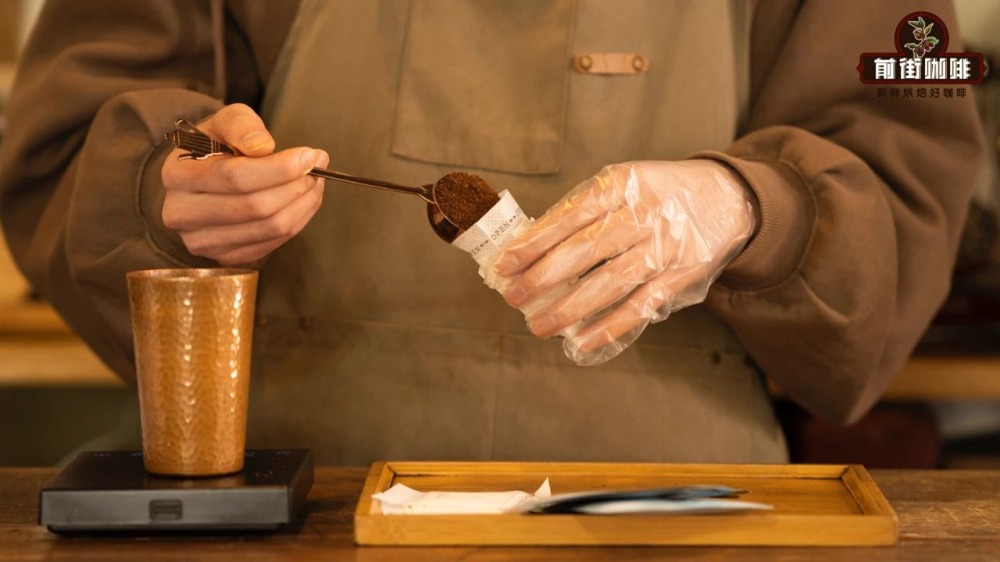
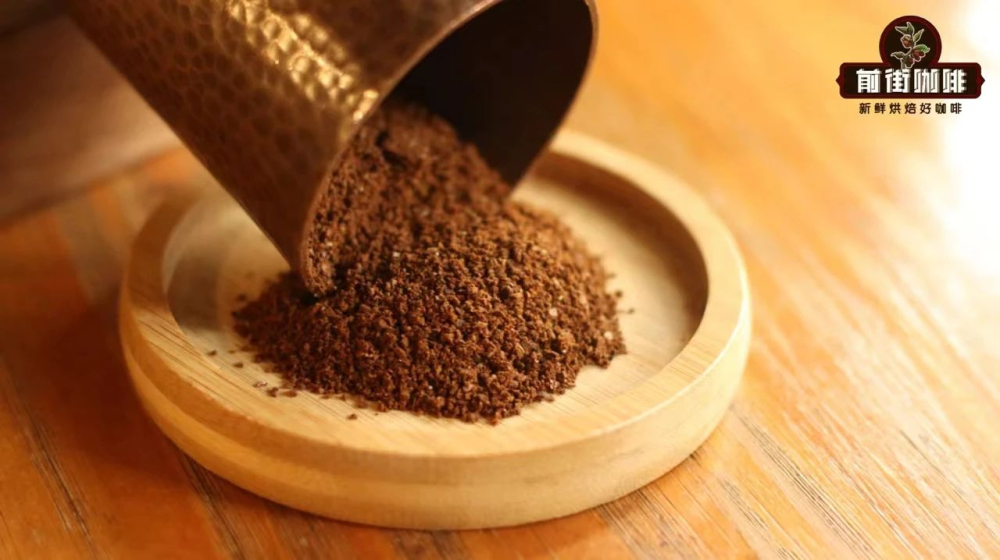
Before brewing, Front Street first boils water and prepares a pouring kettle, a coffee cup, and a pack of drip bag coffee. Front Street's drip bags are made at 10 grams per bag, which can brew about 120–130 milliliters of coffee.
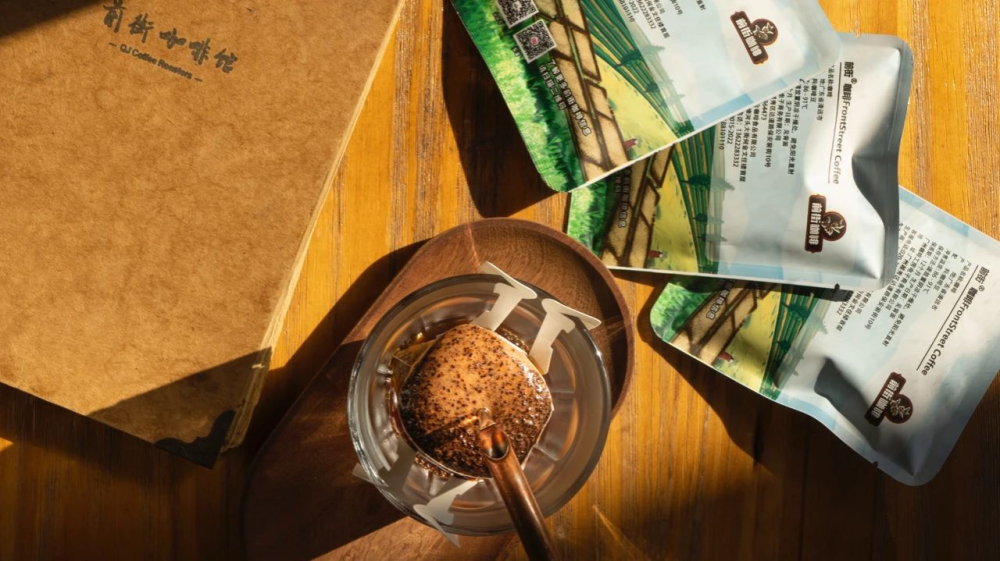
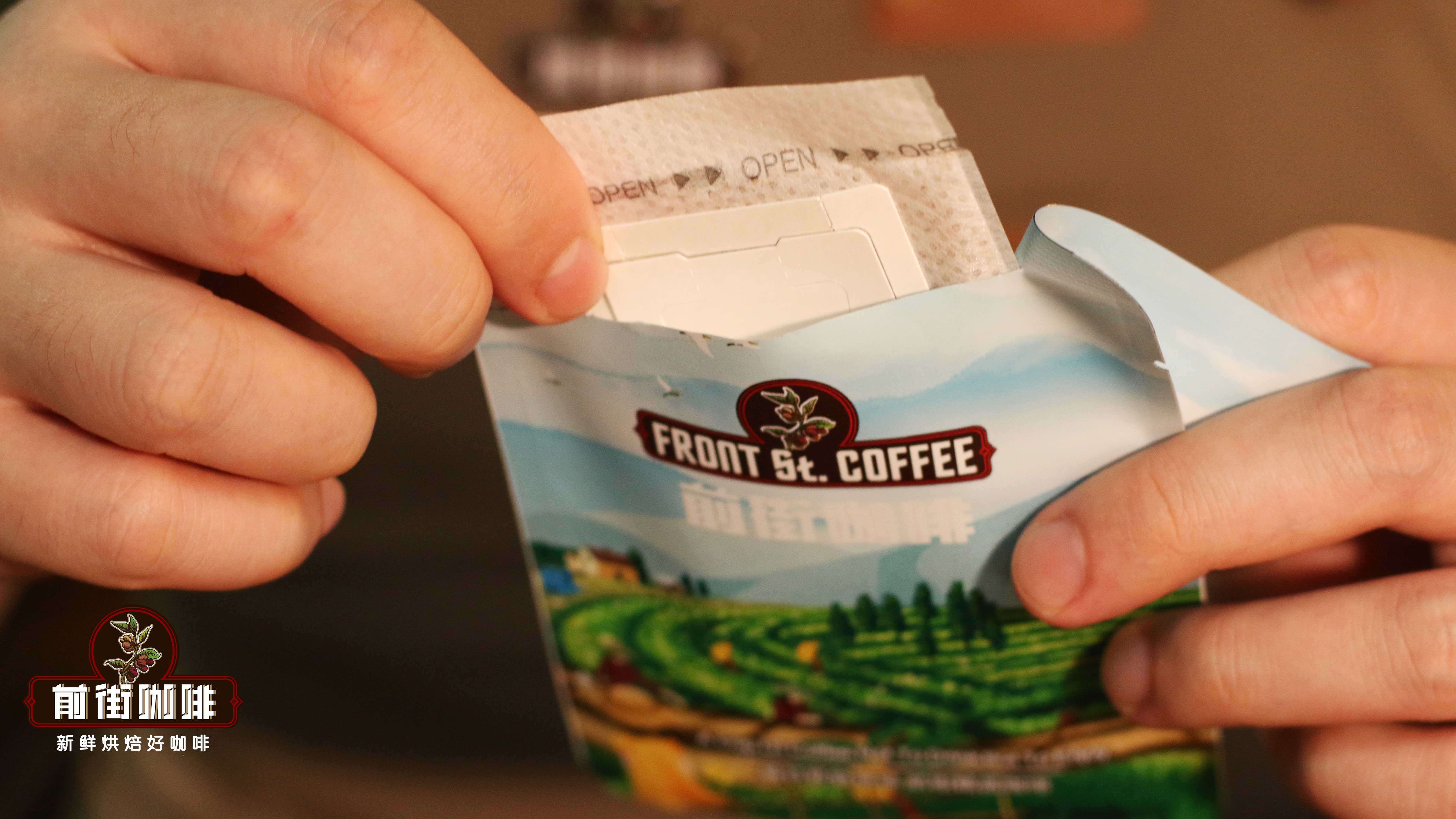
Tear open the sealed outer packaging, take out the drip bag, and tear open the non-woven pouch along the dotted line. Then unfold the ears on both sides, open the entire drip bag, and hang it on the rim of the cup or sharing pitcher.
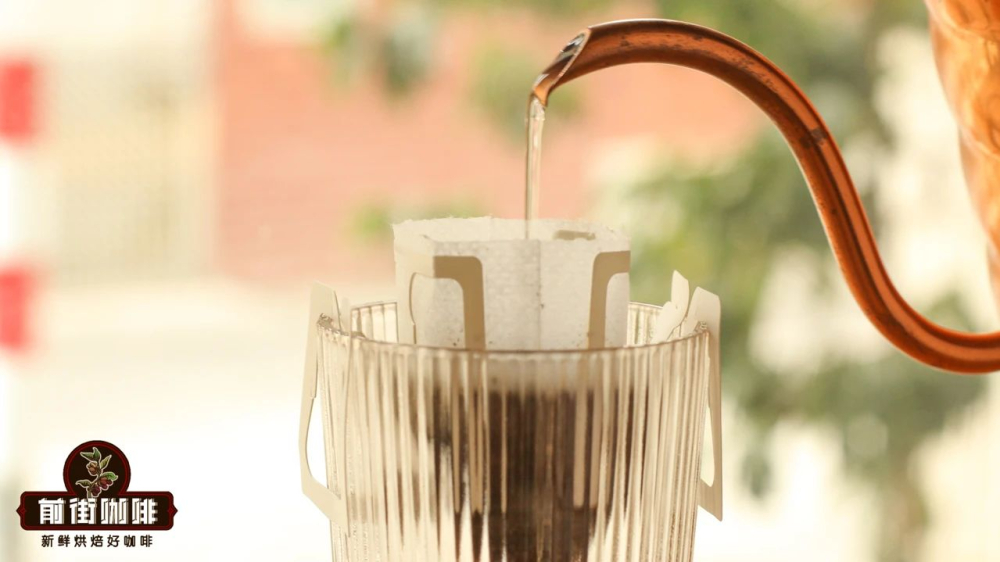
For the first stage, pour in a small amount of hot water to fully saturate the coffee grounds, and let it bloom for about 10–20 seconds to help release gases from the coffee bed and make subsequent extraction more stable. For the second stage, pour steadily with a thin stream until the liquid surface is nearly full, then wait for the coffee liquid to drop until it has all drained. For the final stage, pour water again until full, with a total poured water amount of about 150 grams. Once all the coffee liquid has dripped through, extraction is complete.
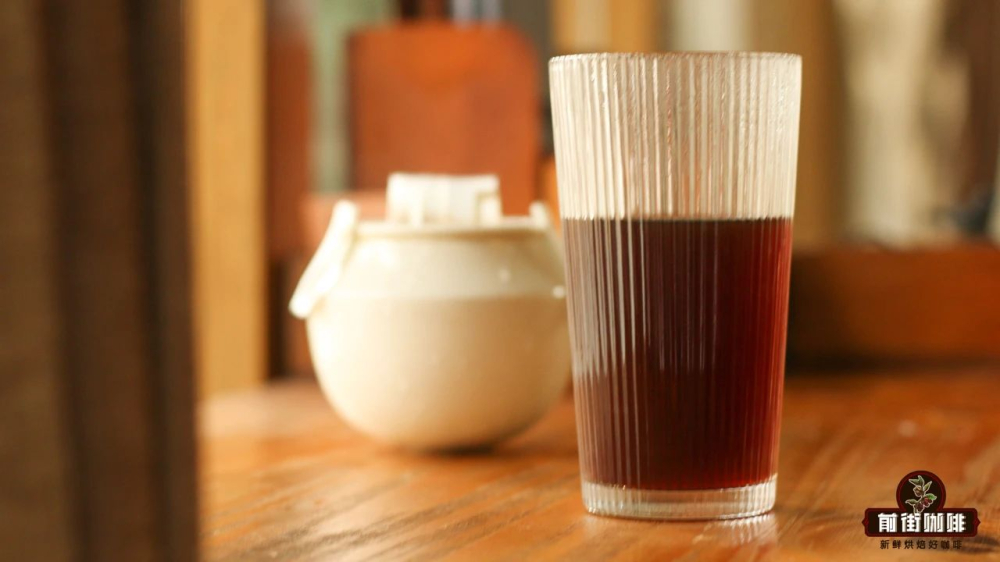
Before drinking, Front Street gently swirls the coffee liquid to make it even, then directly tastes the pure flavor of Golden Mandheling black coffee—the palate carries the full aroma of chocolate and nuts, accompanied by a creamy smoothness and richness. You may also add an appropriate amount of sugar or fresh milk according to personal preference for a softer mouthfeel.
Whenever a customer visits a Front Street store and orders, wanting a cup of coffee that is not acidic, Front Street recommends the Golden Mandheling Coffee on the bean list. When speaking of Golden Mandheling Coffee , the first thing that comes to mind is its rich, low-acid taste; it has become one of the classic representatives of full-bodied coffee.
Golden Mandheling Coffee Originates from Sumatra Island in Indonesia
Indonesia is the world's second-largest coffee producer, with a very long history of coffee cultivation. According to relevant records, coffee cultivation in Indonesia can be traced back to 1696, when it was first introduced to Java by Dutch colonists and then gradually spread to Sumatra, where large-scale planting began. The region is dominated by Robusta beans, while Arabica production accounts for only one-tenth of the total or even less, with northern Sumatra being the most famous. Therefore, Mandheling has also become a general term for Sumatran Arabica coffee beans.
On the map, the cultivation areas of Mandheling coffee are distributed in northern Sumatra, mainly concentrated in the Aceh and Lintong producing regions. These two areas each have a volcanic lake: Lake Tawar and Lake Toba. Mineral-rich soil, combined with a humid, cloudy, and misty mountain forest environment, gives local coffee beans a distinct herbal note.
Only PWN Golden Mandheling Coffee Is Truly Golden Mandheling
Pwani Coffee Company is a company whose main business is purchasing Mandheling green coffee beans, founded in 1957. Golden Mandheling is precisely the company's signature product. PWN Company covers Indonesia's highest-quality Mandheling coffee producing regions, including the two famous origins mentioned above, Aceh and Lintong, so the coffee batches it produces are all specialty grade.
After purchasing superior batches of Mandheling green beans, PWN Company carries out 1 machine sorting plus 3 manual hand sortings to ensure the green beans reach Indonesia's highest grade, G1. Machine sorting first screens out beans of 18 mesh or above, and the subsequent multiple manual selections are used to remove irregularly shaped defective beans. Reducing the defect rate greatly improves the quality of Mandheling coffee, giving it better cleanliness.
In order to make Golden Mandheling an exclusive product, PWN Company registered the "Golden Mandheling" trademark very early on and provides buyers with certification certificates bearing the PWN Company logo. The Golden Mandheling coffee on Front Street's bean list comes from PWN Company; the green bean burlap sacks and certificates can all be seen at Front Street Coffee (FrontStreet Coffee) stores.
Wet-Hulling Creates Mandheling's Flavor
The unique herbal spice aroma of Mandheling coffee comes from the special processing method it uses. In terms of green bean processing, Indonesia's climate is hot and humid with limited freshwater resources, which is not conducive to traditional washed and natural processing. To shorten the processing cycle, locals developed the wet-hulling method.
Coffee cherries are first floated to remove underripe beans, then machine-depulped; at this point the mucilage layer still feels slippery to the touch. After fermenting overnight, the mucilage layer is easier to remove under running water, and the surface of the parchment beans also becomes rough. Next, the coffee beans are dried in the sun for two days, and the parchment beans still have a moisture content of 30–50%, remaining semi-dry. In order to produce and deliver in time, locals use specially made machines to strip off the still-hard parchment layer through friction, and finally continue drying the hulled beans for another two days until the moisture content drops to 12%, after which they can be packed and stored.
Wet-hulling indeed gives Mandheling its distinctive herbal and woody aroma, but it also causes a relatively high defect rate in green beans, and dark roasting can effectively mask this shortcoming. In addition, Mandheling's rise to fame came from its early discovery by the Japanese, and given their taste preferences, what they loved most was Japanese-style dark roasting, which is also why most Mandheling is roasted relatively dark. Front Street hopes to let everyone taste the classic Mandheling flavor, so both Mandheling coffees Front Street sells daily use medium-dark roasting, including the Lintong producing region Mandheling daily drinking beans and the Aceh producing region Front Street PWN Golden Mandheling Coffee.
Indonesian green coffee bean grading is based mainly on the number of defective beans, supplemented by screen size. General quality requirements are: no live insects, no moldy or rotten-smelling beans, maximum moisture content 12.5%, and impurity rate below 0.5%. According to defect rate, it is divided into six grades, among which the highest grade, G1, requires fewer than 11 total defective beans in a 300-gram sample. The Lintong Mandheling Coffee in Front Street's daily drinking bean series is G1, using the wet-hulling method, namely the conventional version of Indonesian Mandheling flavor.
PWN Company, which pursues the utmost in screening, purchases Mandheling green beans of 18 mesh or above, with fewer than 3 defective beans in a 300-gram sample, the G1 grade, which is the highest grade of Indonesian green beans. Afterward, it strictly follows the standard of 1 machine sorting plus 3 manual selections to remove defective beans, ensuring that the shape and size of Mandheling coffee beans are uniform. In addition, before packaging, PWN Company also puts the green beans into a machine for density and color sorting, making Golden Mandheling uniform and translucent in color.
The above content is compiled by CoffeeHunters, a coffee news website.


