







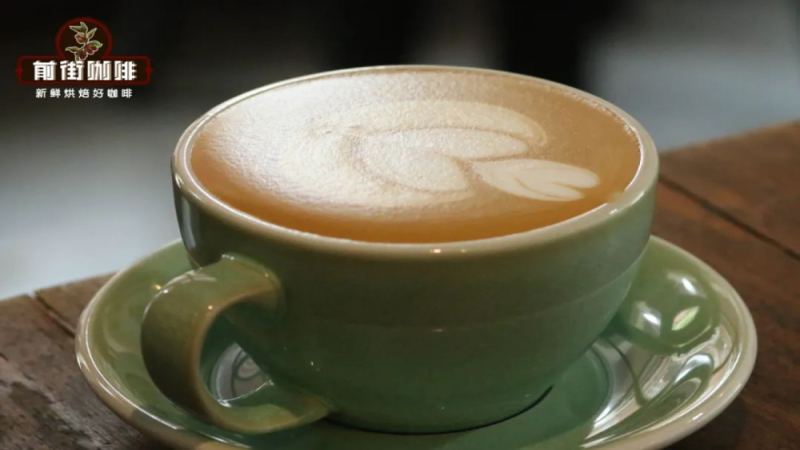
Latte originally means milk in Italian, but today it refers to a coffee drink made by combining espresso with milk. Whether a latte tastes good depends crucially on the choice of coffee beans and the quality of fresh milk. This article starts with the historical origins of the latte and sorts through the espresso beans suited to different stages—beginners can start with Front Street Coffee's Classic Blend, daily drinkers are recommended Front Street Coffee's Dark Cocoa Blend, and more advanced enthusiasts will enjoy Front Street Coffee's Strawberry Candy Espresso Blend. It also explains in detail the effect of the bean resting period on flavor, common ratios of espresso to milk, milk foam temperature control, and the finer points of making hot and iced lattes, helping home coffee lovers make a rich, smooth latte.
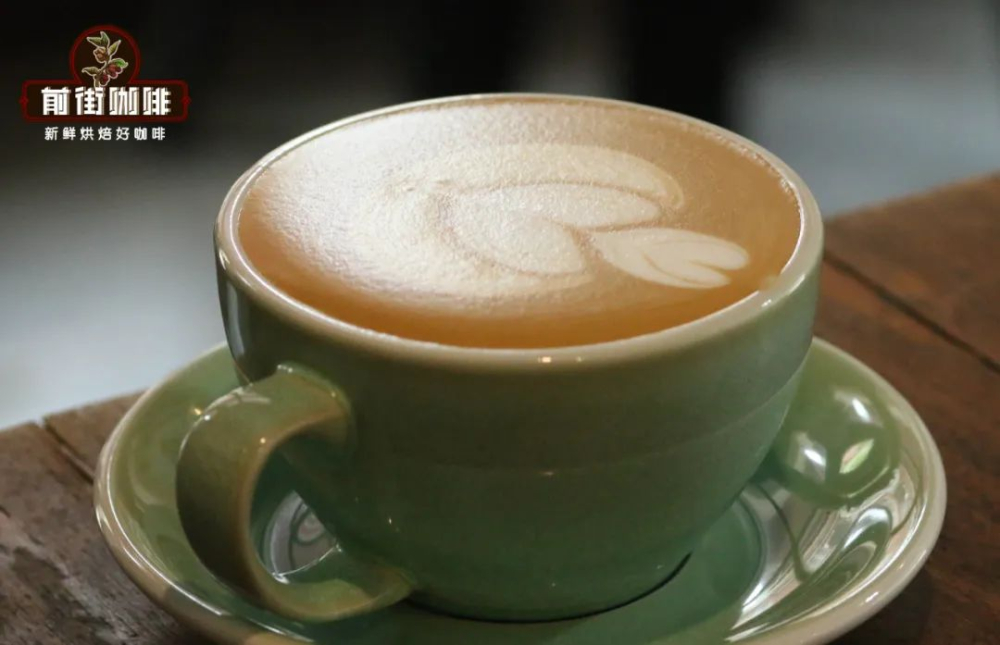
In Italy, if you order just a "latte," what comes to the table is a glass of pure milk, because the word Latte itself means milk. What we now commonly call a latte is a coffee drink made by blending espresso with milk.
The name latte comes from the transliteration of the Italian word Latte, and refers to coffee made by mixing milk into espresso in a certain ratio, classified as a coffee drink.
Latte coffee can be traced back to Vienna, the city of music. Locals already had a habit of drinking coffee in the 17th century. At that time, the Turkish army attacked Vienna and, in their hasty retreat, left behind five hundred bags of coffee beans, which became the raw material for Vienna's first coffeehouse—the Blue Bottle. To cater to European taste preferences, the shop filtered out the coffee grounds and poured in a large amount of milk, turning the originally bitter black coffee smooth and sweet. The Viennese quickly fell in love with this taste, and milk coffee spread around the world from there.
The ingredients for a latte are not complicated—espresso plus milk is enough—so the quality of the coffee beans and fresh milk is especially critical. Coffee beans directly determine the flavor direction of a latte. When choosing, you can match your own needs and taste preferences to find the most suitable espresso:
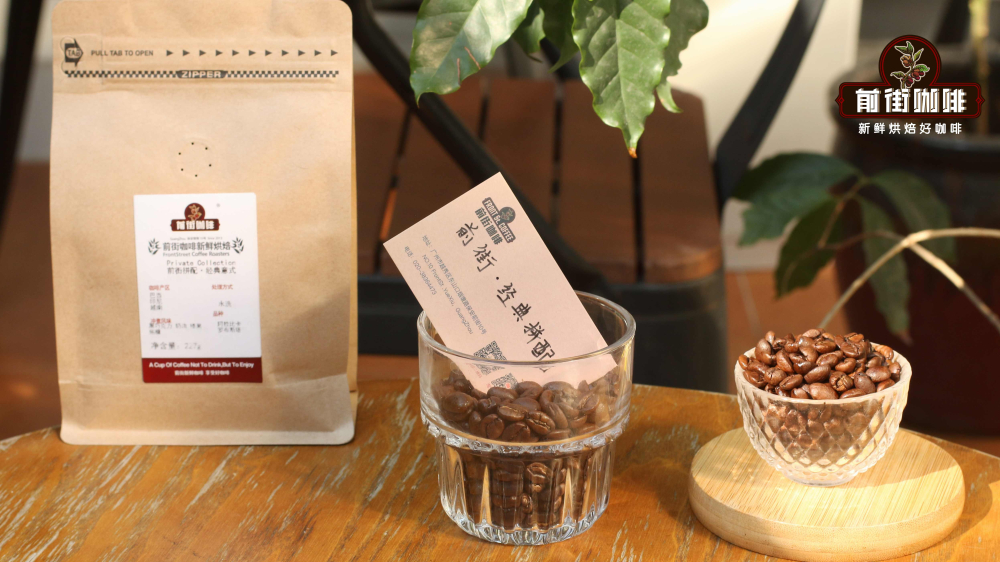
Beginners new to espresso can start with the Front Street Coffee Classic Blend mentioned earlier. This bean combines coffee from three well-known producing regions—Indonesia, Brazil, and Vietnam—and is roasted to a medium-dark level, making it easy to extract a rich, full-bodied espresso with prominent caramel notes and plenty of crema. Used for an Americano, it shows cocoa-like roasted aromas with a slightly bittersweet finish; used for a latte, it delivers a rich yet balanced taste, all in line with the style of traditional espresso.
Front Street Coffee's Dark Cocoa Blend is an espresso bean many baristas recommend. It prioritizes cost control while also requiring stable output, so it pairs Yunnan small-bean coffee with Brazilian Red Bourbon. The extracted espresso consistently centers on softer notes like nuts, chocolate, and plum, making it very suitable for everyday home use.
Coffee lovers who already have some experience can go a step further and choose Front Street Coffee's Strawberry Candy Espresso Blend. This bean includes Costa Rican honey-processed coffee that carries its own sweetness. To create an espresso recipe with richer fruit aromas, Front Street Coffee also added Colombian Huila and Ethiopian Yirgacheffe, giving the Strawberry Candy espresso moderate crema while retaining notes of rose, grape, and dried blueberry.
Beyond choosing the beans, the bean resting period cannot be overlooked either. A customer once reported that after buying Front Street Coffee espresso beans, they simply could not reproduce the taste they had in the shop—the reason being the beans were still too fresh and the flavor could not be extracted; after a few more days, the taste came through. According to Front Street Coffee's output testing, espresso beans reach their best flavor after resting for 10 to 14 days, with a peak flavor window of about 50 days.
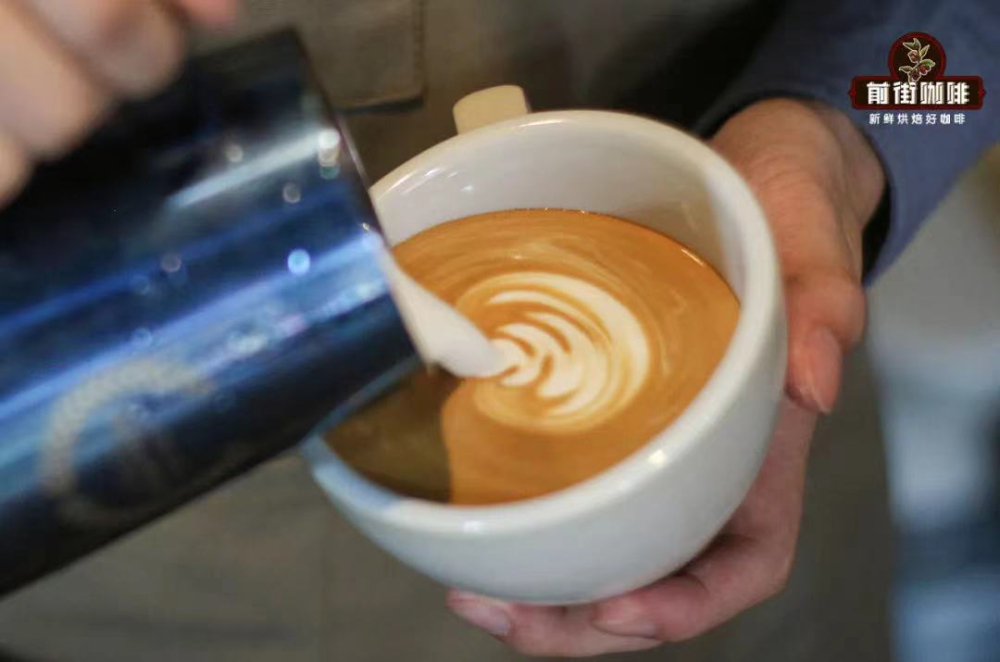
There is no fixed coffee-to-liquid ratio for making a latte; in most cases it falls between 1:5 and 1:8. Front Street Coffee uses a 1:6 ratio, meaning 40 grams of espresso liquid with 240 grams of milk. When making a hot latte, Front Street Coffee first pours the espresso into a preheated cup, then uses the steam wand of the espresso machine to froth the milk. The milk temperature is best controlled at 55 to 65 degrees Celsius, forming a dense, moderately thick milk foam, which is then fully merged with the coffee liquid; the final latte art is a bonus.
Latte art makes a latte look better and encourages more people to try it. Some friends initially started drinking lattes just because they wanted to see beautiful latte art patterns, and later gradually went from not drinking coffee to becoming coffee enthusiasts. Front Street Coffee's hot latte has a vanilla-chocolate-like sweetness and a creamy, smooth mouthfeel. Front Street Coffee's iced latte first places 75 grams of ice cubes and 25 milliliters of fresh milk in the cup, then extracts 40 grams of coffee liquid and pours it over the top, reminding customers to stir well before drinking.
The above content is compiled by CoffeeHunters, a coffee news website.


