







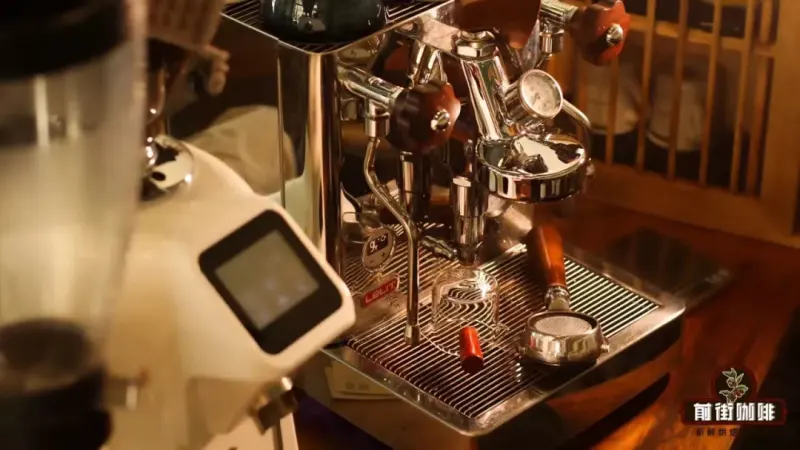
Since the first coffee machine came into being in 1818, coffee machines have gone through more than two centuries of evolution and have now become a daily necessity in many homes and offices. Faced with a dazzling array of models on the market, consumers are often confused about how to choose. This article systematically sorts out the two major categories of household coffee machines—espresso machines and drip-filter American-style machines—analyzes their respective extraction principles, model characteristics, and suitable scenarios, and recommends a variety of compatible coffee beans for different extraction methods, covering fruity, full-bodied, and balanced flavor profiles, while also providing specific origins, processing methods, and flavor descriptions to help coffee lovers make more precise choices according to their taste preferences.
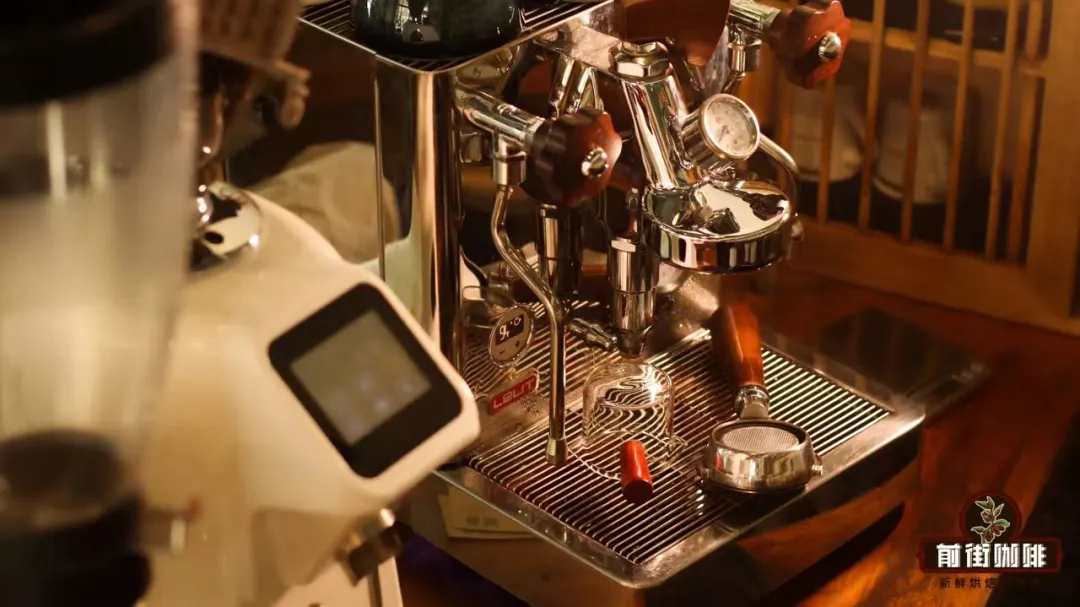
The birth of the coffee machine has made people's daily lives much more convenient. Through word of mouth and mutual recommendations, coffee machines can be seen in homes, offices, and commercial settings alike. For this reason, the functions, appearance, and brewing methods of coffee machines have continued to improve and iterate. Since the world's first coffee machine appeared in 1818, over more than two hundred years, a large number of highly reputable and widely recommended star models have successively appeared, and today they have become indispensable companions in modern life.
In the current market, household coffee machines are mainly divided into two types: one is the Italian-style model used to extract espresso, and the other is the American-style model that uses drip filtration. Because the extraction principles of the two differ, there are also differences in the choice of coffee beans.
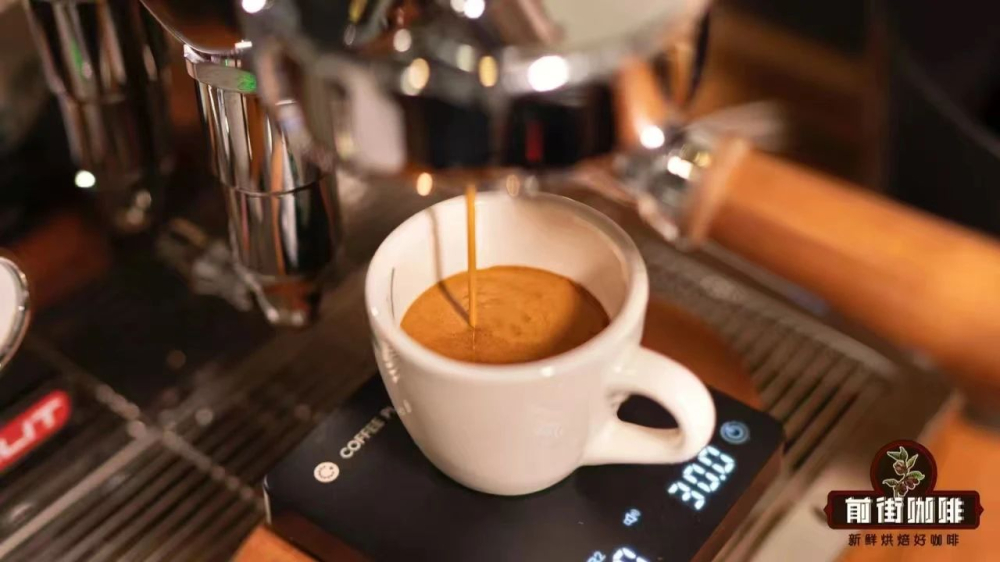
Espresso Machine The body is equipped with a boiler device to generate hot water, which then passes through finely ground and evenly tamped coffee grounds under high-pressure water flow close to boiling, ultimately producing about 30 milliliters of a concentrated beverage with a rich mouthfeel, covered by a delicate layer of crema.
Many variations of espresso: adding water to espresso produces Americano, and it can also be flavored by adding milk, syrup, cream, or spices to make coffee drinks with different flavor profiles such as macchiato, cappuccino, latte, and mocha.
Characteristics Offers a variety of model options, including semi-automatic and fully automatic
Semi-automatic models: equipped with one or more brew heads, with shorter brewing time, able to efficiently meet commercial scenarios requiring large volumes of rapid output Fully automatic models: with a built-in grinding system, the entire process is controlled by automatic programs, and the brewing time is longer than that of semi-automatic models
Thanks to the pressurized design, espresso is not only rich in taste, but also forms a fine layer of coffee oil foam on the surface, namely Crema. The crema tends toward golden and brown in color, and the aroma presents different flavor characteristics depending on the coffee beans used. When making espresso, it is recommended to choose medium to dark roasted coffee beans, as this will lead to a higher success rate.
1. Fruity Americano coffee beans: Front Street Strawberry Candy
Front Street Strawberry Candy espresso coffee beans are a blend of three producing regions—Costa Rica, Colombia, and Ethiopia—combining multiple processes including natural, washed, and honey processing, presenting flavors of rose, grape, orange, cream, and almond, with a light mouthfeel and moderate acidity and sweetness, especially suitable for summer drinking.
2. For full-bodied Americano coffee beans, Front Street Commercial Blend is the first choice
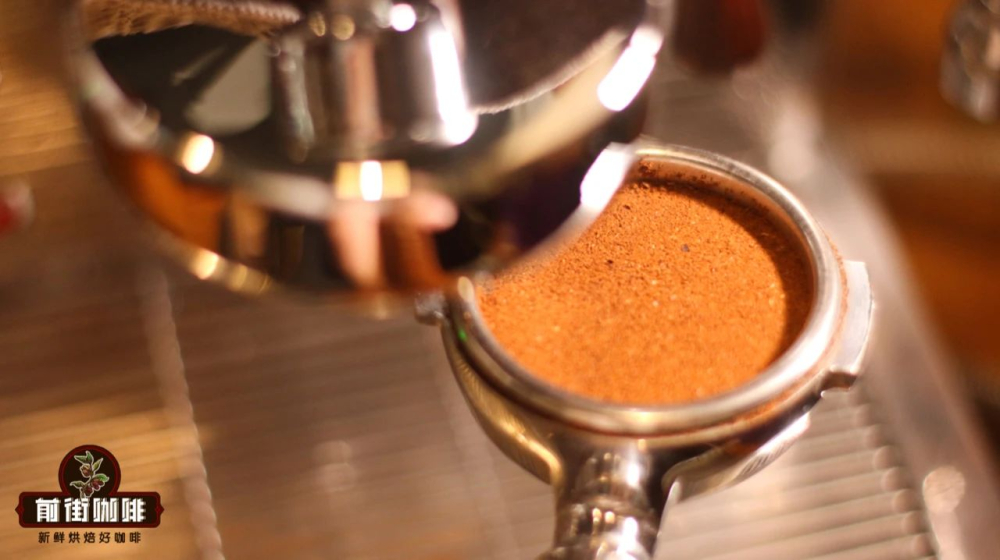
Using Front Street Coffee commercial blend coffee beans, the raw materials include Colombian coffee beans, Brazilian coffee beans, and Robusta coffee beans. The cup has caramel sweetness, along with nutty, cocoa, and dark chocolate flavors, with balanced acidity and sweetness, a slight hint of pleasant bitterness, and a long finish.
3. For balanced Americano coffee beans, choose Front Street Specialty Blend
Using Front Street specialty blend coffee beans, composed of Colombian coffee beans and Brazilian coffee beans, the extracted coffee has a soft slight acidity and a clean sweetness, accompanied by nutty sweet aftertaste. The overall performance is mild and not harsh, and the body thickness is medium.
Electric Drip Coffee
It uses a mechanized drip filtration method, with a structure divided into upper and lower layers: the upper layer is a funnel-shaped filter, and the lower layer holds a coffee pot. The extraction time varies by model. Because the extraction time is not easy to control precisely, the caffeine content may also be relatively high.
Characteristics Easy to operate: add coffee grounds and hot water to complete brewing High popularity: rich in styles, from simple and compact to multifunctional models, available for selection as needed Flexible capacity: can brew from one cup to multiple cups as needed
Compared with espresso machines, American-style machines do not have a pressurization function, the extraction process is relatively simple, and the requirements for coffee beans are not high—as long as they suit personal taste. The following are several beans suitable for making drip Americano coffee:
1. Fresh fruity acidity: Front Street Colombia Sidra
This Front Street Sidra SOE comes from Huila, a well-known producing region in Colombia, and is produced by Finca La Divisa. The estate is close to a volcanic area, which gives the coffee a rich aroma. The ripe coffee cherries are processed using double anaerobic natural processing, with a medium roast, allowing the floral and fruity aromas to be fully released. After being made into espresso, it presents obvious flavors of blueberry juice, passion fruit, and ripe grapes, along with an apricot-like acidity and sweetness.
Front Street Colombia Sidra coffee beans
Region: Colombia, Huila
Estate: Finca La Divisa
Altitude: 1700m
Processing method: double anaerobic natural
Variety: Sidra
Flavor: passion fruit, grape, berry, apricot, dried fruit
2. Fermented fruit wine flavor: Front Street Costa Rica Blackberry
If you want the flavor of SOE coffee to be more vivid, it is recommended to choose coffee beans with ripe fruit notes, making it easier to taste a sweet fermented sensation similar to fruit wine.
Front Street Costa Rica Blackberry coffee beans
Region: Costa Rica, Tarrazu
Estate: Palon Processing Plant
Altitude: 1700m
Variety: Caturra
Processing method: black honey processing
Flavor: grape juice, blueberry, floral, fermented
In the pulping stage of honey processing, coffee farmers can flexibly adjust the amount of mucilage retained according to the desired degree of fermentation. Because mucilage is rich in sugar, the more is retained, the darker the coffee beans become after drying. Black honey has the highest mucilage retention among the four honey processing methods, with almost no mucilage removed, and it also takes the longest to dry, usually requiring more than 14 days of drying. Therefore, coffee processed as black honey has a very rich flavor and especially abundant sweetness.
3. Full-bodied, rich, and bitter: Front Street Brazil Queen Estate
Some friends may feel that the two SOE coffees from Front Street mentioned above are not "coffee-like" enough, so full-bodied and rich coffee beans may suit you better. Front Street Brazil Queen Estate coffee beans are quite representative.
Front Street Brazil Queen Estate coffee beans
Region: Mogiana region
Estate: Queen Estate Fazenda Rainha
Altitude: 1400—1950m
Variety: Yellow Bourbon
Processing method: natural processing
Flavor: cream, peanut, sugarcane, nut, chocolate
Unlike many large-scale commercial beans produced locally in Brazil, Brazil Queen Estate mainly produces specialty batches of coffee beans, using the high-quality Yellow Bourbon variety. After natural processing, Front Street Brazil Queen Estate coffee not only has rich cream, peanut, and nut flavors, but also has a sugarcane sweetness with a very strong sweet aftertaste. After being made into SOE, it has a rich coffee aroma and a prominent lingering flavor profile.
The above content is compiled by CoffeeHunters, a coffee news website.


