







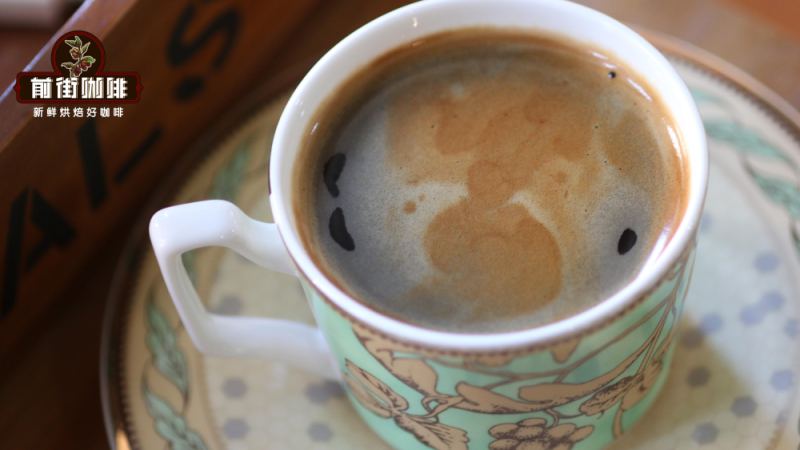
Although Americano bears the name "American," it did not actually originate in the United States. Instead, it is a product of espresso being diluted for drinking by American soldiers during World War II. What exactly is its relationship with black coffee? What equipment and coffee beans are needed to make an authentic Americano? What are the respective advantages and disadvantages of blended beans and SOE? This article will systematically sort out the basics of Americano, from its origin story, category classification, and preparation methods to coffee bean selection, and introduce four espresso blends launched by Front Street Coffee for different taste preferences, helping enthusiasts fully understand this globally popular black coffee.
Professional coffee knowledge exchange. For more coffee bean information, please follow Coffee Workshop (WeChat public account: cafe_style)
For more specialty coffee beans, please add the private WeChat of Front Street Coffee: qjcoffeex
Americano Although the name contains the word "American," this coffee did not actually originate in the United States. It is essentially an extended form of espresso. It is said that during World War II, American soldiers stationed in Italy could not accept the intense bitterness of espresso, so they added hot water to dilute the concentration, and Americano was born from this. In Italian, Caffe Americano means "American's coffee."
Americano gaining widespread recognition around the world owes much to Starbucks' marketing efforts. Because of this, many people, when talking about Americano, first think of Starbucks, and then associate it with black coffee. Over time, Americano has almost become synonymous with black coffee in public discourse.
In fact, black coffee covers a much broader range. Any pure coffee beverage with no sugar, no milk, and no other added ingredients can be classified as black coffee, such as pour-over coffee, ice drip coffee, cold brew coffee, and so on. But Americano is only one member of the black coffee family. Its method is to first extract espresso under high pressure using an espresso machine, then dilute it with hot water, so it must be made with professional equipment or enjoyed at a coffee shop.
Traditional Italian coffee usually uses beans blended from multiple regions when making espresso. However, with the rise of the specialty coffee wave, many cafes today have also begun offering SOE (Single Origin espresso), which means extracting espresso using coffee beans of a single variety.
But Front Street Coffee still recommends choosing blended coffee beans to make espresso. The reason is that blended beans, through the combination of coffee beans from different regions, can achieve a stability that single-origin coffee beans (that is, single-origin beans) do not have—coffee beans are, after all, agricultural products, and their quality and flavor fluctuate each year due to terroir and climate conditions.
For this reason, professional roasters and baristas conduct in-depth research on coffee beans from various regions, mixing beans of different varieties in different proportions before roasting, or roasting them separately and then blending them. The goal is to make the extracted espresso achieve a certain harmonious taste while ensuring that the flavor of every cup of espresso can be presented consistently.
An excellent cup of Americano should have a rich aroma, obvious sweet aftertaste, and a strong taste without being burnt or bitter. Some Americanos also carry a faint fruity acidity and are clean and refreshing on the palate. The flavor direction of Americano depends on the performance of the espresso, and the taste of the espresso is determined by the coffee beans. Therefore, coffee beans using different blending approaches will ultimately present different flavors.
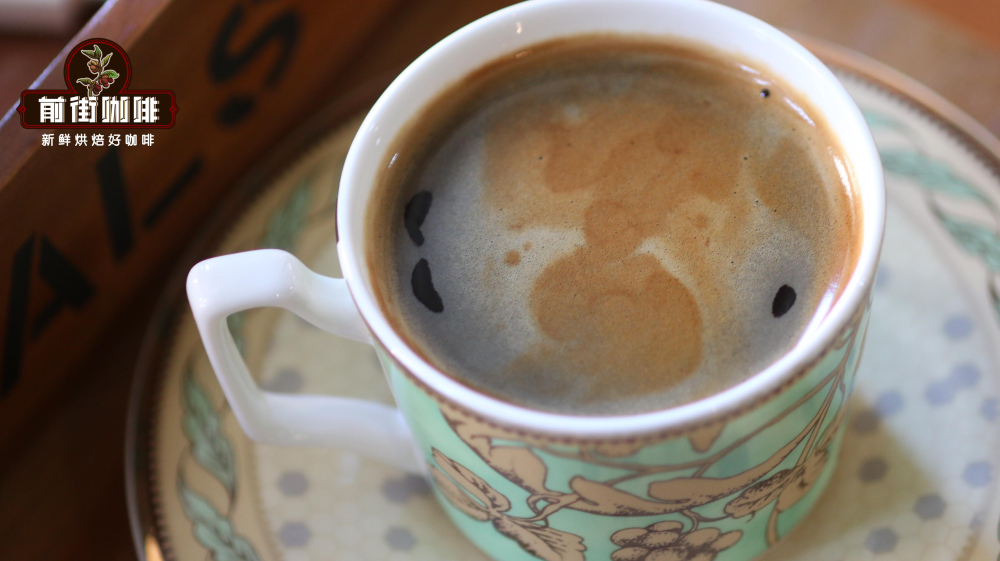
In response to the taste preferences of general consumers, Front Street Coffee has specially launched four blended beans suitable for making medium-dark roasted espresso. Everyone can choose products with different flavors according to their own preferences. For all online orders of coffee beans, Front Street Coffee will arrange shipment within five days after roasting is completed, to ensure that everyone can taste the fullest aroma of freshly roasted coffee.
"Front Street Coffee Specialty Blend Coffee Beans" uses Brazilian Arabica paired with Colombian Arabica. The extracted espresso has a lingering finish of dark cocoa, roasted nuts, and caramel, with a mellow mouthfeel and prominent sweet aftertaste.
"Front Street Coffee Commercial Blend Coffee Beans" is composed of Brazilian Arabica, Colombian Arabica, and Vietnamese Robusta. The extracted espresso presents cocoa and nut notes, with a mellow and intense mouthfeel and a strong sweet aftertaste.
"Front Street Coffee's Espresso Coffee Beans Recommended by Many Baristas - Front Street Dark Cocoa Blend Coffee Beans" uses Yunnan Arabica plus Brazilian Arabica. The extracted espresso has slight fruity acidity, dark chocolate, and nut flavors, with a rich mouthfeel and a slight acidity.
"Front Street Coffee Warm Sun Blend Coffee Beans" combines Ethiopian sun-dried Yirgacheffe with Honduras Sherry. The extracted espresso shows layers of fermented wine aroma, berries, vanilla cream, and nutty caramel, with a rich and smooth mouthfeel and a uniquely distinctive flavor.
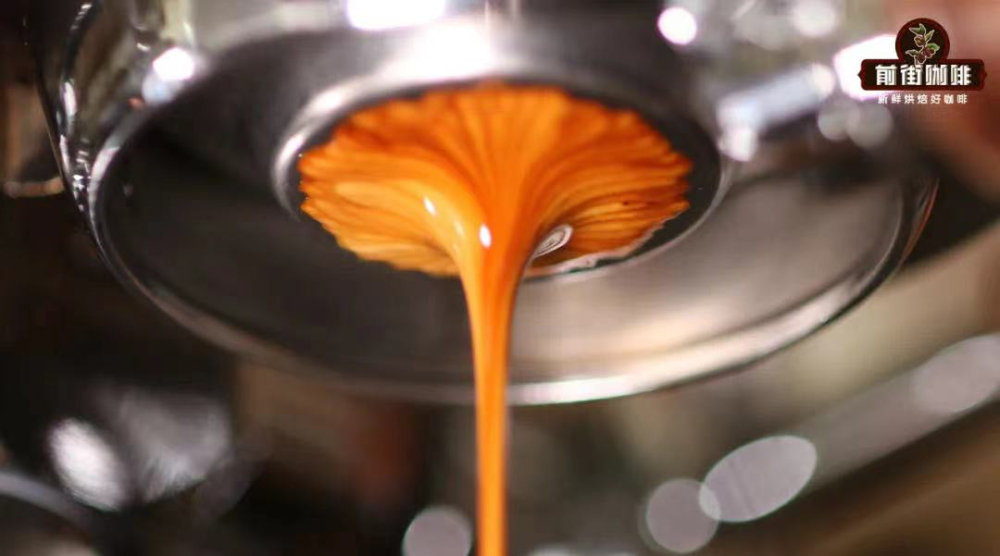
Making espresso requires the use of a dedicated espresso machine or moka pot. When extracting espresso, the coffee beans must first be ground into a very fine powder, and then the machine or device is used to heat water and apply steam pressure, allowing the water flow to quickly pass through the coffee powder layer in a sealed vacuum environment, thereby extracting a highly concentrated coffee liquid.
After obtaining the espresso liquid, dilute it with hot water or ice water according to personal taste preferences, and a cup of the Americano we are familiar with is complete.
The above content is compiled by CoffeeHunters, a coffee news website.


