







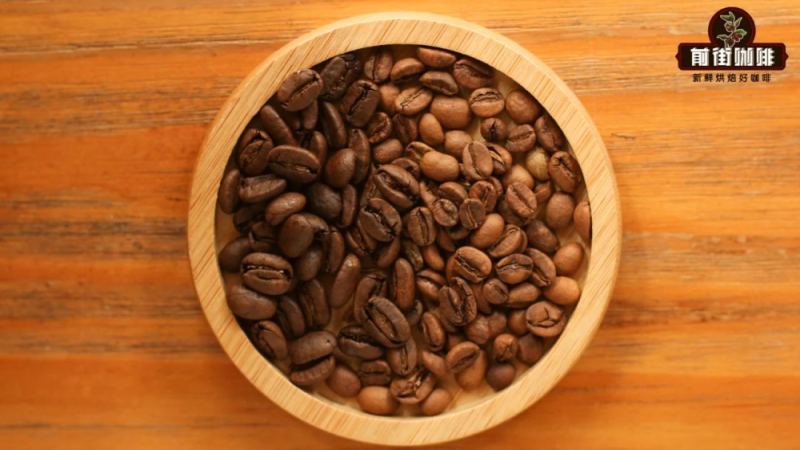
What Are the Core Elements of Coffee Flavor?
The color, aroma, and taste in a cup are not fixed in the green bean; they form during the roasting process through a series of chemical reactions. Four basic taste dimensions plus one aroma define the picture: bitterness, acidity, body, sweetness, and coffee's own fragrance. Bitterness comes largely from caffeine, acidity from tannic acid, body from mellow mouthfeel, and sweetness from caramelized sugars in the bean.
By roast level, beans generally split into floral-fruity and nutty categories, with the former tied to light to medium roasts and the latter to medium to dark roasts. A blend like Front Street Strawberry Candy Espresso shows pronounced sweetness with grape, dried blueberry, and sweet orange notes, while a washed Yirgacheffe such as Front Street Fruit Ding Ding offers jasmine and citrus in a medium-light roast.
The color, aroma, and taste presented in a coffee cup are not inherent to the green beans but are the product of a series of chemical reactions during the roasting process. These reactions revolve around four basic taste dimensions and one olfactory experience: bitterness, acidity, body, sweetness, and the unique aroma of coffee. Understanding the sources of these four tastes and one aroma helps to more clearly grasp the logic behind coffee flavor composition. On this basis, based on the degree of roasting, coffee beans can be divided into two major categories: floral-fruity and nutty, with the former mostly corresponding to light to medium roasts and the latter commonly found in medium to dark roasts. This article explains these flavor elements one by one and provides specific bean selection recommendations for Front Street brand based on different taste preferences.
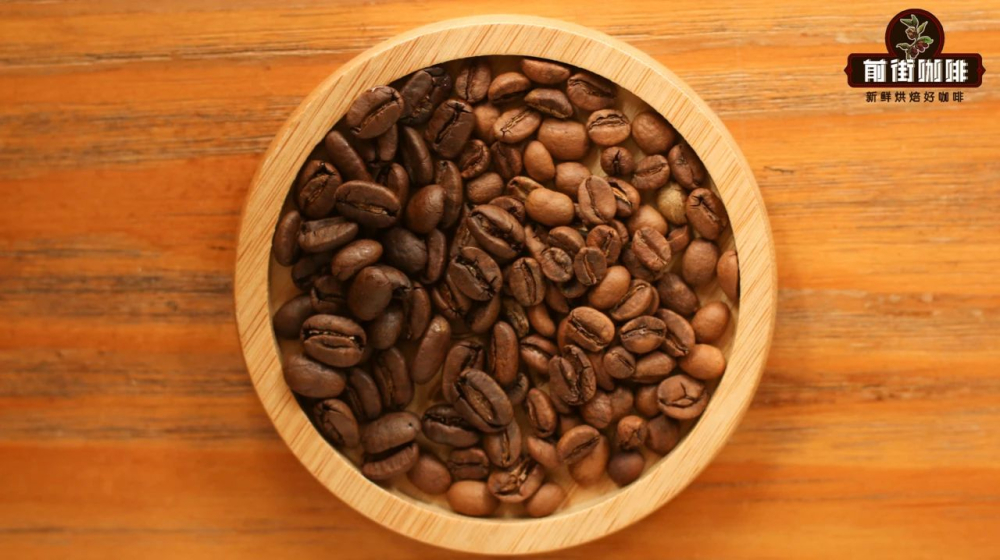
The color, aroma, and taste exhibited by coffee are actually acquired after the green beans undergo chemical transformations during the roasting stage. In other words, the characteristics of a cup of coffee are formed during roasting.
◎ Bitterness: == Caffeine, one of the basic taste elements of coffee.
◎ Acidity: == Tannic acid, the second basic taste element of coffee.
◎ Body: == The rich, mellow taste of coffee.
◎ Sweetness: == The sugars in the green coffee beans undergo roasting, and after some are caramelized, the remaining part presents as sweetness.
◎ Aroma (coffee aroma): == The fats, proteins, and sugars in the green coffee beans are important sources of aroma.
Divided by degree of roasting, coffee beans can generally be classified into two types: floral-fruity and nutty, with the former corresponding to light to medium roasts and the latter to medium to dark roasts.
If you want to try a floral-fruity espresso, Front Street Strawberry Candy Espresso Blend is the top choice. As the name suggests, this bean has a notably prominent sweetness. It is a blend of single-origin coffees from three different regions, and in addition to its inherent rose aroma, when made into an Americano or latte, you can also taste notes of grape, dried blueberry, sweet orange, and fruit candy.
For those who prefer floral notes in pour-over beans, Front Street Fruit Ding Ding is a good choice. This Yirgacheffe is washed and medium-light roasted, presenting layered jasmine and citrus flavors with a fresh and refined taste, and is also suitable for brewing methods such as cold brew, French press, and clever dripper.
The above content is compiled by CoffeeHunters, a coffee news website.


