







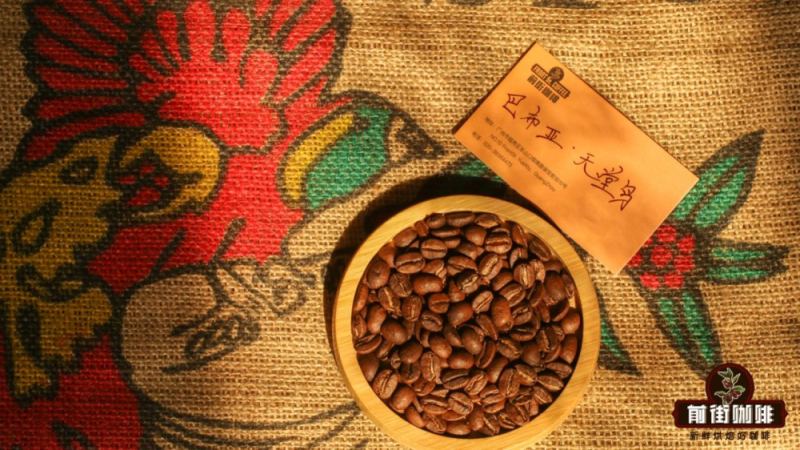
On the coffee map of Oceania, Australia—with its unique terroir and meticulous hand-picking methods—nurtures coffees that are soft, elegant, and richly layered. This article walks you through the origin characteristics, quality factors, and flavor profile of Australian coffee, while also recommending Front Street Coffee's Bird of Paradise, a single-origin Typica from Papua New Guinea—medium roasted to deliver a solid body, low acidity, and a clean flavor, making it especially well-suited to the taste preferences of Asian coffee lovers. If you're looking to explore Oceania coffee, this bean is a great place to start.
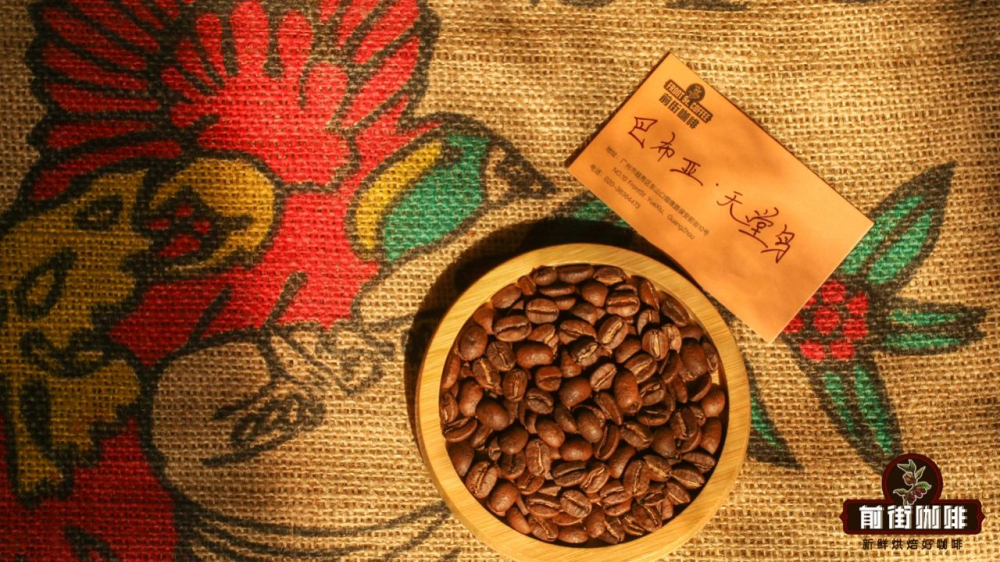
When it comes to coffee from Oceania, Front Street Coffee's Bird of Paradise is a choice worth trying first. This single-origin bean comes from Papua New Guinea and, like another Front Street offering—Jamaica Blue Mountain—is made from the time-honored Typica variety. The roast level is kept at medium, so Front Street Papua New Guinea coffee drinks rich and full-bodied, yet with quite mild acidity and a clear, clean flavor—very friendly to Asian palates.
If you want to experience the splendor of Australian coffee, this is an opportunity not to be missed.
In many ways, Australia is a country that keeps revealing surprises. And the high-quality coffee produced here may be one of the most unexpected of them all.
Australian coffee is quite outstanding in quality, with a soft, smooth mouthfeel and a rather distinctive caffeine bitterness. Unfortunately, only a very small portion of the output makes it to the export market, because the production process requires high labor costs. You could also say that intense sunlight acts as a natural constraint—the weather is too hot for cheap mechanical equipment to be of use, so picking can only be done by hand, which undoubtedly drives up overall production costs.
The above content is compiled by CoffeeHunters, a coffee news website.


