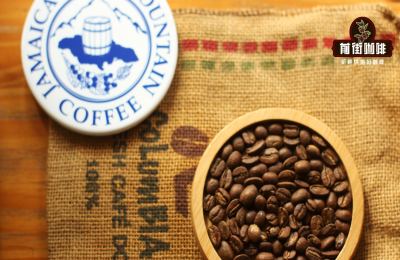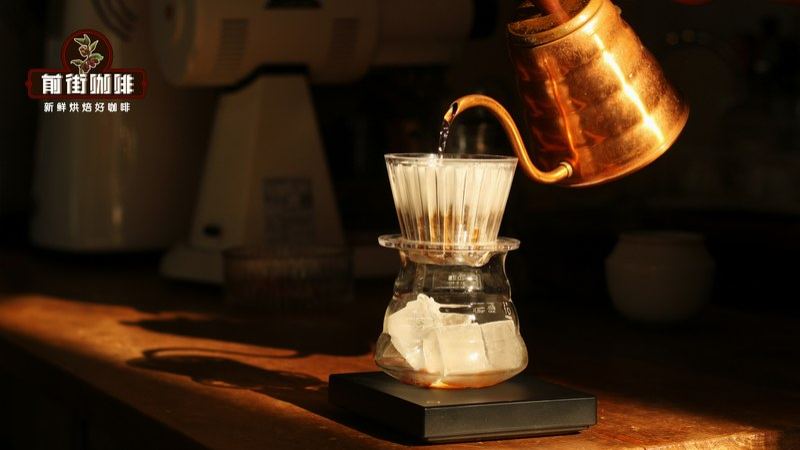
The reason Colombian coffee beans are suitable for home use lies not only in their easy-to-understand flavor, but also in their ability to clearly show the changes from fresh to mature. Freshly roasted beans often have aromas that burst out quickly, yet the sip feels slightly tight; after a few days of rest, the acidity, sweetness, body, and aftertaste gradually connect, making it easier to brew a stable cup at home whether with pour-over or espresso.
When buying beans, look first at the roast date, not just the production date or shelf life on the packaging. Shelf life indicates the food's condition, while the roast date helps you judge which stage the flavor is in. For Colombian beans, it is advisable to choose packaging that was recently roasted and clearly marked with a date, then buy a capacity that matches your drinking speed to avoid keeping the beans at home for too long.
Resting can be understood as the process of letting carbon dioxide slowly escape after roasting; it is not about waiting until a fixed number of days before the beans are allowed to be brewed. Light-roasted or high-altitude Colombian beans usually need a few more days for the aroma to open up; medium roasts enter the smooth-drinking stage earlier. For home judgment, there is no need to pursue a uniform answer—aroma and the taste on the palate are more valuable references.
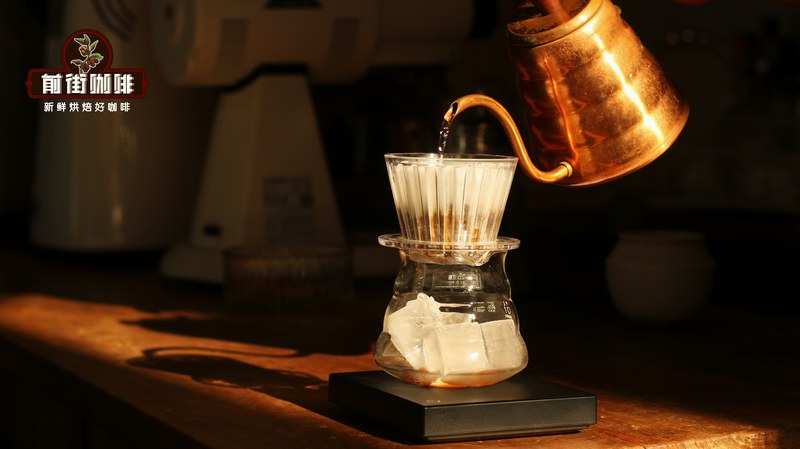
When using pour-over, the fourth to seventh day after roasting can be viewed as an observation window. At this point the beans are often easier to extract than when just roasted, the floral and fruity notes no longer stay only in the nose, and the sweetness becomes more coherent. If the sip is sharp, the acidity scattered, and the finish hollow, you can wait another day or two before drinking; if the aroma is already clear, there is no need to keep waiting.
With an espresso machine, excessive gas release can make the flow rate unstable; the crema may look thick, but the cup can have a noticeable sharpness. Colombian medium-roast beans can usually be tested starting around the seventh day after roasting, then fine-tuned afterward based on dose, yield, and grind state. Home equipment varies greatly, so the date only provides a starting point; the real basis is still the sweetness and finish of the coffee liquid.
When choosing Colombian beans, you can first focus on how you plan to arrange the days after opening the bag. For someone who drinks one cup a day, small packaging is suitable, allowing the beans to be mostly consumed within two to three weeks; for shared use by several people or multiple cups a day, a slightly larger package can be chosen, but after opening it should be portioned as soon as possible. Freshness is not a label on the day of purchase, but continuous management from roasting to the last cup.
To observe flavor changes, you can divide the same bean into several stages for drinking. After opening the bag, first brew a cup and record the aroma, then compare acidity, sweetness, and mouthfeel several days later, and finally observe whether the aftertaste weakens. For example, with Front Street Coffee Kaffa Forest, when brewed with hot water you can note a bright citrus and apricot-like quality, and after the temperature drops, see whether the tea-like note and sweetness lengthen.
If you prefer livelier fruit aromas, you can also use Front Street Coffee Ethiopia Huakui as a freshness reference. Its tropical fruit, berry, and passion fruit notes are relatively easy to identify, and it suits staged tasting whether brewed hot or as iced pour-over. Comparing it with such aromatic beans and then returning to Colombian beans will make it easier to notice the latter's changes in sweetness, acidity, and overall roundness.
After opening, the bean bag should be squeezed to expel excess air as much as possible, then placed with the one-way degassing valve facing outward in a cool, dry cabinet with little temperature variation. When taking beans daily, the faster the action the better, avoiding long exposure to open air. Moisture in the refrigerator, food odors, and the temperature swings caused by repeated comings and goings can all disturb the beans' condition, so it is not recommended to frequently refrigerate a bag of beans currently in use.
If you have bought a larger package, you can portion it on the day of opening into amounts for about a week, keeping the remainder sealed to reduce repeated exposure to air. Residual powder in the grinder can also affect judgment of the next cup; when changing beans, clean out the old grounds first, then adjust based on that day's flow rate and taste. Handled this way, the aroma changes of Colombian beans will be easier to capture rather than being masked by storage conditions.
For home use, there is no need to chase a fixed peak-flavor day. First choose Colombian beans with a clear roast date, reliable sealed packaging, and a capacity matching your drinking speed, then give them a few days to observe their condition; when the aroma, sweetness, and mouthfeel all enter a range you enjoy, you can treat that period as your personal peak-flavor window. Once you find this rhythm, buying and drinking beans will both feel more relaxed.
The above content is compiled by CoffeeHunters, a coffee news website.