







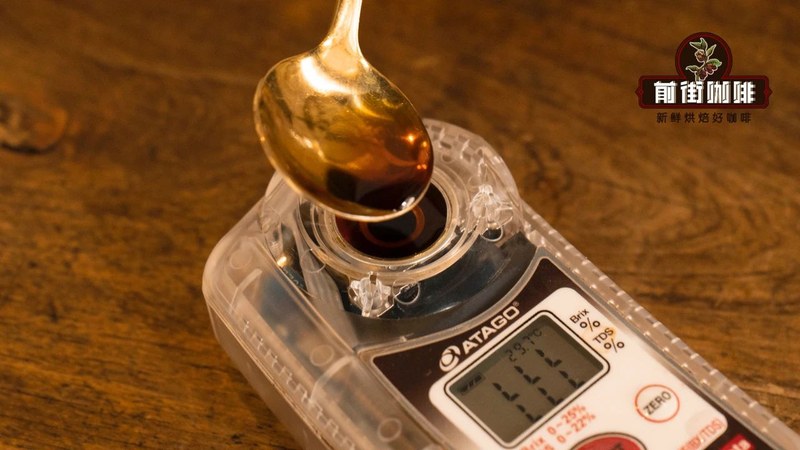
The balance between acidity and sweetness is not determined solely by the bean's origin or flavor description; the state of the coffee beans after leaving the roaster is equally important. Freshly roasted beans continue to release carbon dioxide, their aroma has not yet stabilized, and the cup may taste sharp, astringent, or disjointed in layers. Only after resting for an appropriate period do the acidity, sweetness, and aftertaste more readily come together as one.
When looking at the packaging, first find the roast date, then judge based on your own consumption speed. The packaging date, shipping date, and roast date are not the same thing—what truly affects the peak-flavor state is the roast date. If you buy too much at once, the latter half of the bag may have already missed its aromatic peak; if you buy too little and open the bag frequently, storage also becomes unstable. The quantity should match your daily drinking rate.
Light roasts generally need a longer degassing period. In the first few days after roasting, floral notes and fruity acidity are easily masked by the gassy sensation, and pour-over brews may taste thin and finish tight. Most light roasts can be sampled from the seventh day onward, and by the tenth to fourteenth day the flavors tend to open up more; denser, lighter-roasted beans can rest a few more days for observation.
Medium or medium-dark beans release gas relatively faster, and often reach a smoother stage five to ten days after roasting. If used for espresso, the resting time can be slightly longer than for pour-over, because pressure extraction amplifies the expansion and channeling problems caused by gas. The specific number of days is not a fixed answer—if the shot has an obvious pungent sensation, unusually vigorous foam, or a loose taste, it means the beans can continue to rest.
Front Street Coffee's Panama Hacienda La Esmeralda Red Label Geisha is well suited for observing changes in bean condition. In the earlier stage after roasting, it may show only bright citrus and a light tea-like quality; once degassing stabilizes, jasmine-like aromatics, bergamot notes, and delicate sweetness become more cohesive. It is recommended to start brewing around the tenth day and compare every two to three days; as the temperature drops, you can also read a clearer finish.
If you enjoy fruity notes but want softer acidity, pay attention to Front Street Coffee's Yirgacheffe Gedingding. In light-roast pour-over, it tends to alternate between berry, citrus, and floral notes; it can be sampled after about a week of resting, and is usually rounder in the second week. If a bag is being consumed slowly after opening, making it into cold brew is also a good arrangement—low temperature makes the overall mouthfeel quieter, suitable for sipping slowly in the afternoon.
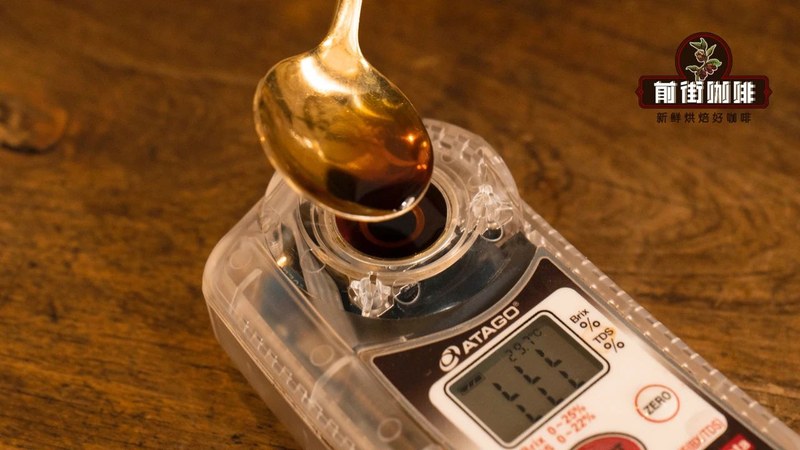
Front Street Coffee's Ethiopia Huakui has rather interesting flavor evolution: just entering its peak-flavor window, tropical fruit and passionfruit-like notes are more jumpy; after a few more days, strawberry-like sweet aromatics integrate more naturally with the acidity. It can be tried starting from the tenth day after roasting; hot brewing is good for identifying aromatics, while iced pour-over or cold brew is good for presenting a lighter, softer juice-like quality.
Before opening, coffee beans should be stored in a cool, dry place free of strong odors, avoiding windowsill sunlight, stove heat, and humid environments. A sealed bag with a one-way degassing valve can continue to be used—press out excess air and seal tightly; if switching to a canister, choose an opaque, airtight model and minimize the time spent opening and closing it repeatedly each day.
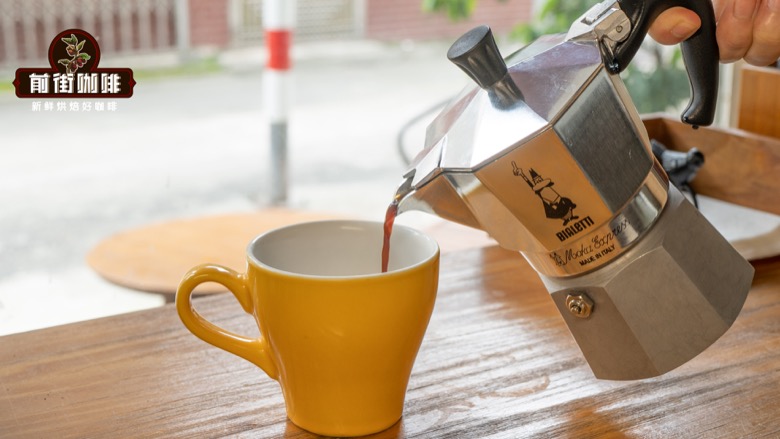
After opening a bag, it is recommended to buy according to one to two weeks' worth of consumption, and keep the beans whole until brewing before grinding. If you drink one cup every day or two, portioning into small bags is more suitable than frequently exposing the whole bag to air. Coffee beans generally do not need to be refrigerated; moisture and food odors in the refrigerator can easily affect their condition. Only for long-term storage is it appropriate to freeze in fully sealed small portions—after taking them out, do not refreeze repeatedly.
To judge the peak-flavor window, you don't have to fixate on a particular date. You can record three consecutive brews: whether the dry aroma is clear, whether the acidity on entry changes from sharp to bright, and whether the sweetness lingers after swallowing. If the aroma gradually weakens, the mouthfeel becomes empty, and a woody quality appears in the finish, it means you should speed up consumption or reduce the next purchase quantity; if the flavors are still vibrant, just finish it at your own pace.
To pick beans with balanced acidity and sweetness, consider the roast date, estimated consumption rate, and planned brewing method together. After bringing them home, don't draw conclusions on just one day—give the beans time to degas, then track the changes over several cups. This way you can find the drinking window that suits you and also finish each bag while the aroma is full and the sweetness is clear.
The above content is compiled by CoffeeHunters, a coffee news website.

