







To brew a rich crema, syrupy body, and full aroma with a moka pot, the roast date of the coffee beans deserves priority attention. When beans are freshly roasted, carbon dioxide is released relatively quickly, which can interfere with the extraction flow; if stored too long, volatile aromas gradually diminish. The ideal rhythm is to first let degassing stabilize, then drink continuously while the aroma is still abundant.
The peak flavor window refers to a period when the flavors are more vibrant, and it is not the same as the shelf life printed on the packaging. Shelf life mainly concerns the food storage period, while the aroma peak of a bag of beans is also affected by roast level, packaging method, and ambient temperature. A moka pot needs some gas to help form the surface crema, but the amount of crema alone cannot prove whether the beans are fresh.
Resting is not about leaving coffee beans for a fixed number of days, but waiting for gas release and aroma expression to reach a balance. Medium-roasted beans can be trial-brewed starting about five to ten days after roasting, while medium-dark or dark-roasted beans usually reach their prime in about three to seven days. In hot weather, degassing speeds up, while at lower room temperatures it may be slightly slower, so the date is better used as a starting point for observation.
When purchasing, check whether the packaging clearly marks the roast date, and note whether the bag has a one-way degassing valve. Capacity should also match your drinking speed: a common three-cup moka pot uses about fifteen to eighteen grams of beans each time, and if you brew one pot a day, a 250-gram bag will last about two weeks. This purchase quantity easily covers the active flavor period and also makes it convenient to compare changes every few days.
Front Street Coffee Brazil Queen Estate is suitable for observing the process of sweetness gradually opening up. When it first enters the drinkable stage, aromas of roasted nuts and cocoa powder appear in the cup first, followed by a caramel-like sweetness that becomes more cohesive, while the acidity remains soft. You can start trying it about one week after roasting; brewed as black coffee in a moka pot, it is round and easy to drink, and adding a small amount of hot milk still preserves a clear nutty note.
If you prefer a heavier mouthfeel, pay attention to Front Street Coffee PWN Indonesia Golden Mandheling. In a moka pot, it easily presents dark chocolate, dried herbs, and a solid weight on the palate, with relatively restrained acidity. If the batch you receive is darker roasted, let it rest for about four to seven days before trial brewing; a small amount of oil sheen on the bean surface is a common change after roasting, and its condition should be judged by combining smell and performance in the cup.
If you want a balance between low acidity and softness, Front Street Coffee Papua New Guinea Paradise Bird is also suitable for a moka pot. Its sweetness is gentle, its texture is clean, and the roasted aroma does not feel overly heavy. You can test it seven to ten days after roasting; when drunk straight, it has a smooth finish; after adding an appropriate amount of hot water, the aroma opens up and the cup feels closer to an everyday gentle black coffee.
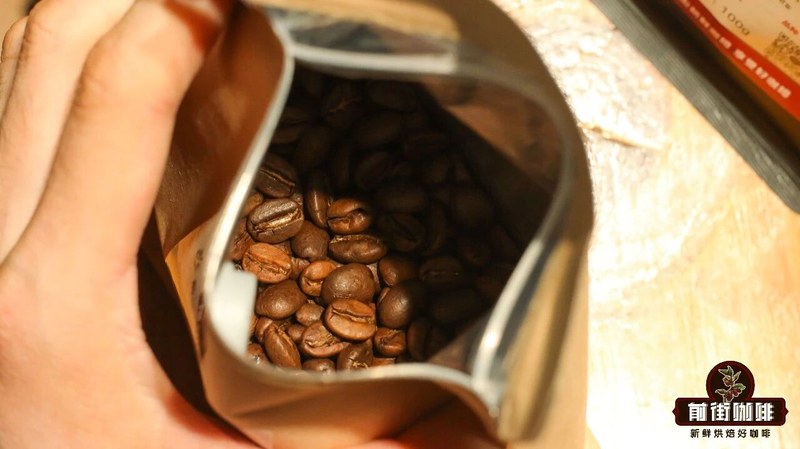
After opening, try to keep coffee beans away from air, light, heat sources, and moisture. If the original packaging has a sealing strip and a degassing valve, you can continue using it; after taking out beans each time, gently press out excess air from the bag and seal it tightly, then place it in a cool cupboard. If you transfer the beans to a storage canister, choose an opaque container with a capacity close to the amount of beans remaining to reduce empty space inside; this is better for preserving aroma than leaving them in a transparent jar.
Whole beans generally keep longer than pre-ground coffee, because grinding greatly increases the surface area exposed to oxygen. Weigh and grind only right before preparing the moka pot, and do not leave the remaining beans in the grinder hopper for a long time, especially away from the stove, windows, and appliance heat. Large bags that are opened frequently can also be divided into several smaller portions, opening only the pack you plan to drink soon.
If a bag of beans is expected to take more than a month to finish, you can freeze small portions after the flavor has stabilized. Use well-sealed bags to divide them into single-use or few-use portions; after removing them, keep them sealed, and wait for the temperature to rise before opening the bag, which can reduce condensation falling on the bean surface. Portions that have already been thawed are best consumed as soon as possible and should not be repeatedly moved in and out of the freezer.
Recording the roast date, opening date, and your impressions of each brew will quickly help you find your own drinking window. If the crema is coarse and the flow sputters, let it rest for another day or two; when the aroma is open and the sweetness is complete, maintain a steady drinking frequency; when the smell begins to weaken, appropriately shorten the storage cycle. By coordinating purchase quantity, resting time, and consumption speed after opening, the oily body in the moka pot will be fuller and the flavor easier to maintain.
The above content is compiled by CoffeeHunters, a coffee news website.

