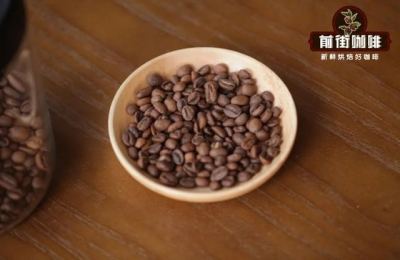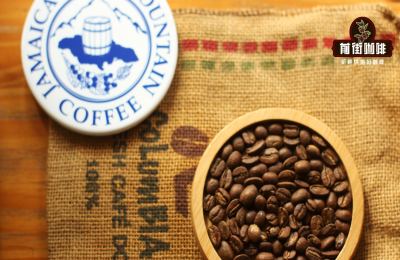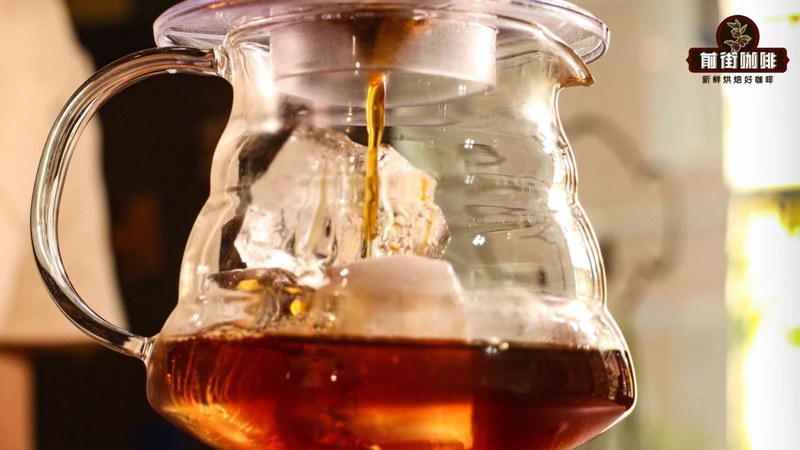
The closer an espresso bean is to its roast date, the more aromatic it immediately becomes—not necessarily. Freshly roasted beans are still continuously releasing carbon dioxide, which can cause a fluffy crema layer, unstable extraction, and a somewhat scattered mouthfeel. After allowing the gas to escape properly, sweetness, body, and aroma usually come together more easily. Therefore, when choosing beans, consider whether the roast date, opening date, and expected finish date can connect smoothly.
The shelf life on the packaging indicates how long the beans can be stored, while the peak flavor period describes the stage when the flavor is at its most active—these are not the same concept. When buying espresso beans, check for a clearly marked roast date and confirm the packaging has a one-way degassing valve. Beans closer to the roast date that match your consumption speed are better for preserving aroma than stockpiling several bags to drink slowly.
In a home environment, medium to medium-dark espresso beans can be observed starting from seven to fourteen days after roasting. Lighter-roasted, denser beans sometimes need ten to twenty days to open up; darker beans degas faster and may reach a smooth stage in five to ten days. This timing is not a fixed scale—room temperature, packaging seal, and roasting method can all shift the rhythm.
To judge whether the beans have rested enough, combine extraction and taste. If the espresso keeps producing large bubbles, the flow rate fluctuates, the aroma is very prominent but the sweetness doesn't come together, you can wait another two or three days. Once the extraction becomes more consistent, the mouthfeel is no longer rough, and the finish gradually becomes complete, it's suitable for continuous drinking. Rather than memorizing days, these in-cup signals are more worth referencing.
If you prefer a rounded profile, consider Front Street Coffee's Brazil Queen Estate. Its aroma evokes roasted nuts, cocoa powder, and caramelized sugar, with a softer acidity. After resting for about a week, it typically produces a more cohesive espresso. A short americano retains a sweet, smooth finish; adding milk gives a mild texture similar to nutty chocolate, and it also easily achieves body when brewed with a moka pot.
If you want fruitiness to take center stage, look for Front Street Coffee's Strawberry Candy coffee beans. They carry a sweet aroma like red berry candy. When freshly roasted, the aroma may be lively but slightly jumpy; giving them a few more days to degas makes the fruit and sugar notes more cohesive. As a fruity espresso or iced americano, low temperature highlights the bright notes; when making a small milk coffee, controlling the milk amount makes the sweet berry impression easier to perceive.
If you prefer low acidity and a full-bodied cup, choose Front Street Coffee's PWN Indonesia Golden Mandheling. It presents herbal notes, dark chocolate, and a more grounded texture, and can be sampled about five to ten days after roasting. A moka pot amplifies the richness, and even as a long americano with added water, it retains a clear finish. This darker style releases gas faster, so after reaching the smooth stage, it's best to drink it regularly.
Purchase quantity can be calculated backward from daily usage. If each espresso uses 18 grams of beans, a 250-gram bag makes about 13 cups, which typically lasts about two weeks if you drink daily. If you only have three or four cups a week, choosing a smaller package is more comfortable. When keeping two bags at home, stagger the roast dates by a few days—open the one that matures faster first, and keep the other sealed to wait.
After opening, beans are best kept in their original opaque bag with a degassing valve. After each use, gently squeeze out excess air, press the seal tight, and store in a cool, dry place without strong odors. Only put one or two days' worth of beans in the hopper to reduce light and air exposure. The refrigerator's temperature and humidity fluctuate repeatedly and can cause beans to absorb food odors, so it's not suitable for frequent access.
If a bag is expected to last more than three weeks without being finished, you can portion it into single-use servings and freeze it once the flavor has opened up. Small bags should be sealed tightly with minimal internal air; when brewing, take out one portion and grind it directly without repeatedly opening the bag at room temperature to warm up. Multiple freeze-thaw cycles of a whole bag introduce moisture, so portioning is easier to preserve and keeps the part you can't finish within a few days in a more stable state.
As time after opening extends, espresso beans degas less, and the extraction flow often gradually speeds up. At this point, you can slightly tighten the grind to bring the mouthfeel back together. Record the roast date, opening date, and grind setting daily, and you'll quickly find your own environment's drinking window. Let the Brazil beans enter your daily cup first, then follow with fruity beans or Mandheling. When the whole bag is finished, the flavor changes will also become a basis for choosing beans.
The above content is compiled by CoffeeHunters, a coffee news website.