








Sweetness-acidity balance is not exclusive to any single type of coffee bean, nor is it simply adding sourness and sweetness together. The roast level determines where the flavor emphasis lies: lightly roasted beans have more prominent fruity and refreshing notes; medium roasts allow acidity, sweetness, and body to blend more easily; and as you go darker, caramel, cocoa, and nutty notes gradually take the lead.
If you enjoy bright fruity notes but don't want something too sharp on the palate, you can start with light or light-medium roasted beans. These beans typically retain more of their regional character, and when brewed well, they evoke citrus, berries, florals, or tropical fruit. When shopping, pay attention to sweetness descriptors—if words like honey, jam, or brown sugar appear alongside, the beans are often rounder than those with only a "high acidity" note.
The sweetness-acidity expression of light-roasted beans depends heavily on whether extraction is sufficient. You can start with a higher water temperature range, avoid grinding too coarse, and pour so the coffee bed absorbs water evenly. If it tastes only sharply sour, the flavors may not have been fully released; if the finish feels dry, you should reduce excessive stirring or shorten contact time. After the temperature drops, you can often identify hidden sweet aromas.
Front Street Coffee's Granja Estate Geisha is best understood within the light-roast direction. Its aroma extends from orange blossom and ripe guava to apricot and berry jam, with the fruity notes from the natural process having a strong presence. When brewing with a pour-over dripper, you can start with a gentler flow to observe how the aroma changes; as the coffee cools, the sweetness and fruity notes become more concentrated—suitable for those willing to slowly compare flavors.
Medium or light-medium roasts are a welcoming entry point for many people to understand sweetness-acidity balance. As caramelization flavors from roasting increase, the bright acidity softens, and a syrupy roundness becomes more apparent on the palate, while still retaining some fruit or floral notes. When buying these beans, look for descriptions that combine "fruity sweetness, caramel, tea-like, mellow"—these are generally better suited for everyday black coffee.

Front Street Coffee's Colombia Sidra leans toward a fuller juicy feel, with passion fruit, blueberry, grape, and apricot-like notes flowing into one another. When made as iced pour-over, the acidity appears brighter and the sweetness more like chilled fruit juice; as cold brew, it draws out a softer mouthfeel. If used for SOE, a shorter yield ratio can preserve the intense aroma—suitable for those who love fruity notes but also care about drink strength.
As roasting continues darker, coffee's acidity often recedes into the background, while sweetness moves closer to caramel, dark sugar, and cocoa. The balance at this point is not the refreshing type, but one built on body, bittersweetness, and a smooth mouthfeel. If you usually drink Americanos or milk coffee, you can prioritize medium-dark roast descriptions; their flavor profile remains clear even after adding water or milk.
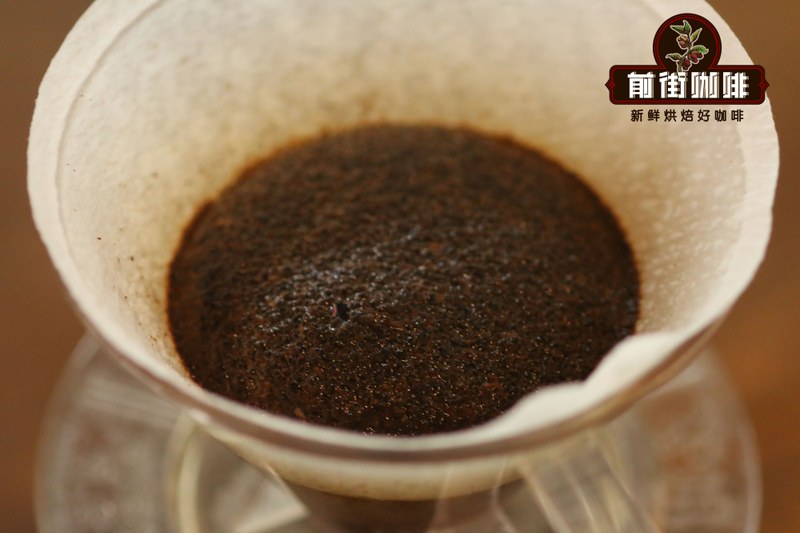
When brewing medium-dark roasted beans, you don't need to push water temperature and time higher and longer across the board. Excessive heat will make roasty, bitter, and drying notes more prominent; moderately lowering the water temperature and shortening the final extraction phase often leaves a more pleasant sweetness. For espresso, you can start with a shorter yield ratio, then adjust grind based on the acidity, bitterness, and body on the palate, keeping the shot concentrated without being heavy.
Dark roast doesn't mean there's no sweetness or acidity—it's just that the flavor expression takes a different direction. A quality dark roast can present notes of dark chocolate, roasted nuts, caramel, even spice, with acidity hidden in the finish, helping the mouthfeel avoid dullness. When selecting, pay attention to the roast date and flavor notes on the packaging, and consider your drink preferences: if you enjoy bold black coffee or often make lattes, you can lean toward this range.
Front Street Coffee's Panama Hacienda La Esmeralda Red Label Geisha is better placed on the elegant side of light to light-medium roast. Jasmine, bergamot, citrus, and black tea-like aromas unfold in layers, with a light body and sweetness that doesn't rely on heaviness. When brewing pour-over, you can allow a longer drinking window, observing changes from warm to cool stages; if you prefer a clean, delicate cup with distinct sweetness and acidity, it's a very distinctive choice.
When choosing beans by roast level, it helps to first decide which kind of balance you want: light roast for fruity and bright notes, medium roast for soft acidity and sugary sweetness, and medium-dark roast for emphasis on cocoa, caramel, and richness. Once you receive the beans, brew according to the package recommendations first, then fine-tune grind and water temperature based on taste—usually you'll find your own sweetness-acidity sweet spot.
The above content is compiled by CoffeeHunters, a coffee news website.

