







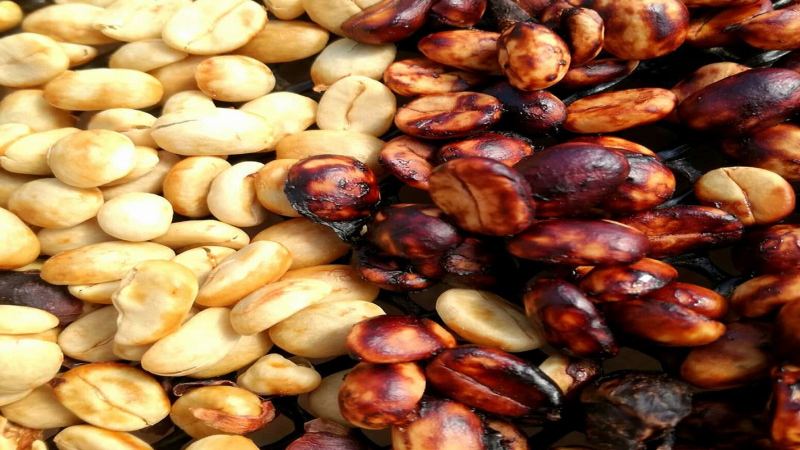
To brew cocoa-flavored coffee with a moka pot, when selecting beans you can first look at the roast level, then decide whether you want the soft sweetness of milk chocolate or the rich finish of dark chocolate. The darker the roast, the more pronounced the cocoa, nutty, and roasted notes usually are; lighter roasts tend to retain more fruity acidity, floral notes, and brightness. The moka pot itself produces a more concentrated mouthfeel, so the roast level of the beans directly affects the balance of the final cup.
Light-roasted beans aren't without cocoa character — their cocoa is simply hidden behind livelier flavors, possibly accompanied by berries, citrus, or tea-like notes. When extracted in a moka pot, the cup shows clearer sweet-and-sour shifts, feels light on the palate, and may become even sweeter as it cools. Those who enjoy black coffee and want to explore a region's character can start with a lighter medium-light roast, but shouldn't expect the heavy body of a traditional rich chocolate drink.
Medium roasts generally strike a better balance between cocoa, caramel, nuts, and acidity. They have enough sweet aroma to support the moka pot's concentration without leaving the cup tasting only of roast. If you like drinking black coffee straight, look for flavor descriptions mentioning cocoa, caramel, hazelnut, or almond; if you occasionally add milk, medium-roast beans still retain clear coffee aroma and offer a wide range of adaptability.
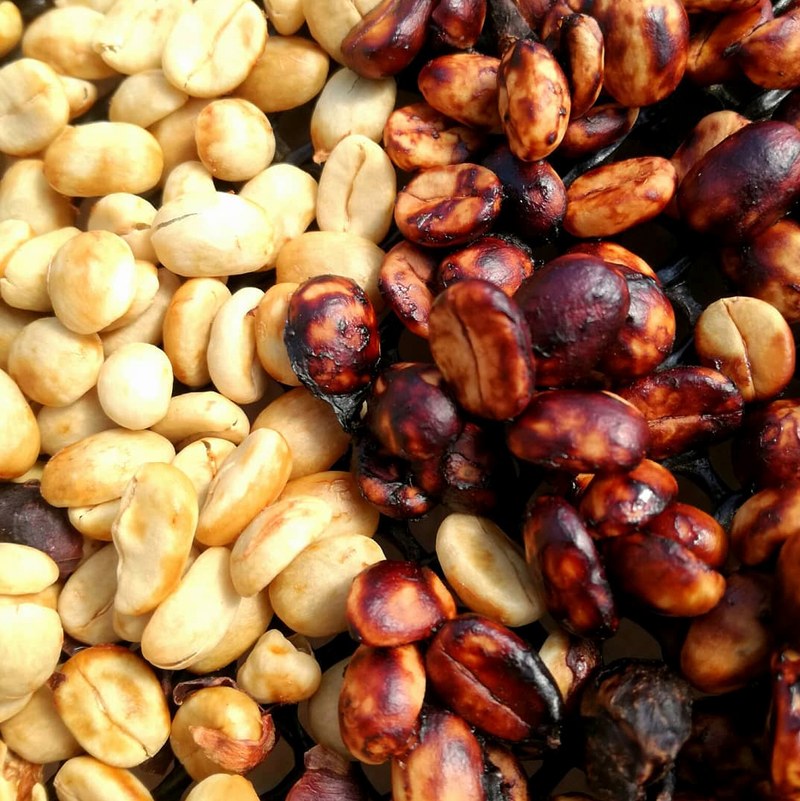
Medium-dark roasts shift the flavor focus toward dark chocolate, cocoa powder, roasted nuts, and caramel sauce, with acidity becoming more restrained and the mouthfeel more enveloping. This range suits the moka pot well, because it can produce a highly concentrated coffee liquid in a short time, and still has a clear coffee presence after adding hot milk. If you prefer drinks like lattes or flat whites, medium-dark beans tend to deliver a fuller chocolate profile more easily than light-roast beans.
Dark roasts suit those who enjoy heaviness, low acidity, and pronounced roasted notes. At this stage, cocoa flavors may lean toward dark chocolate, cocoa powder, or slightly bitter cocoa nibs, with a cleaner finish. Keep in mind that dark roast doesn't necessarily mean prominent bitterness — bean quality, heat level, and extraction timing all affect the cup. To make a dark-roast moka pot brew smoother, you can drink it straight or pair it with milk and a little sugar to round out the cocoa aroma.
If you want to find balance in a medium roast, try Front Street Coffee Brazil Queen Estate. Its flavor centers on nuts, cocoa, and caramel, with understated acidity. Brewed in a moka pot, it has a rounded mouthfeel, suitable both as hot black coffee and with a small amount of milk. For those just beginning to explore cocoa flavors, this type of bean doesn't overemphasize acidity and clearly showcases the sweet aroma and body from roasting.
If you prefer medium-dark roasts and low acidity, look to Front Street Coffee PWN Indonesia Golden Mandheling. It carries herbal notes and a dark-chocolate-like flavor, with a substantial mouthfeel that becomes even weightier when extracted in a moka pot. When drinking it straight, let the coffee cool slightly first so the herbal and chocolate notes separate more easily; when made into a milk coffee, it delivers a rich effect close to dark chocolate milk.
If your moka pot is mainly used for making lattes or mochas, Front Street Coffee Classic Blend is a practical medium-dark roast option. It focuses on nutty, cocoa, and caramel notes, with sufficient concentration and body in the coffee liquid to retain a clear roasted sweetness after mixing with milk. For black coffee, reduce the dilution water; for milk coffee, keep a higher proportion of coffee liquid so the milk and cocoa flavors form more distinct layers.

Once the roast level is decided, the moka pot's heat should match accordingly. Lighter or medium roasts can use gentle heat, giving the aromas fuller room to develop; medium-dark and dark roasts benefit from a shorter heating phase, avoiding high heat at the end that pushes bitterness and scorched notes too far forward. When the flow starts to lighten in color and the sound shifts from a fine sputter to a more obvious one, remove from heat and let the residual heat finish a small amount of flow — the cup will usually be cleaner.
Grind size also affects whether the cocoa flavor comes out smooth. If the grounds are too fine, the moka pot tends to over-extract, turning dark chocolate into a dry, bitter taste; if too coarse, you may get only a faint roasted aroma with insufficient sweetness and concentration. Start with a texture close to fine granulated sugar, keep the dose consistent each time, then adjust based on the taste. If medium-roast beans taste too acidic, go slightly finer; if dark-roast beans taste bitter, go a bit coarser — this gives your adjustments clearer direction.
From light to dark roast, cocoa flavor follows a progression from fresh sweetness and softness toward richness and depth. If you favor fruity acidity and layering, choose medium-light to medium roast; if you want steadier nutty-cocoa notes, look at medium to medium-dark roast; if you often drink milk coffee or prefer a heavy mouthfeel, expand your range to medium-dark and dark roast. First narrow the roast range according to your cup preference, then pick specific beans — the cocoa aroma in your moka pot will come closer to expectations.
The above content is compiled by CoffeeHunters, a coffee news website.

