







Coffee brewed with a moka pot is highly concentrated, and even after dilution with hot water, it retains a distinct aroma and mouthfeel. The roast level of the beans determines whether this americano leans bright, sweet, or heavy. When choosing, first check the package for light, medium, or dark roast, then consider the acidity you can tolerate, the texture you prefer, and whether you usually drink it iced, with water, or straight.
Light-roasted beans tend to showcase the origin's fruity, floral, and crisp acidity more easily. When brewed in a moka pot, the aroma is more contained than with pour-over, but citrus, berry, or tea notes can still emerge. If you enjoy a light body and are willing to slowly discern aroma variations, light roast is a good starting point; if you usually prefer a rounded, low-acid black coffee, you may want to choose more cautiously in this direction.
Light-roasted beans require more careful heat control in a moka pot. Keep the water temperature from getting too high and the flame gentle so the coffee flows out steadily, which reduces sharp acidity or astringency in the finish. Start with a medium-fine grind, but do not grind as fine as espresso powder. After dilution, taste a small amount first, then decide whether to add more hot water—the flavors will be clearer.
Medium roast is the easiest range to adapt to, where sweetness, acidity, nuts, caramel, and cocoa often appear together. Made into a moka pot americano, it has both aroma and enough body to support dilution with hot water, so the cup won't taste thin and acidic. For those just starting with a moka pot, medium roast beans are good for building your own taste reference, then gradually deciding whether to move toward light or dark roast.
Front Street Coffee's Classic Blend is a medium-dark roast suited for daily use, with roasted nuts, cocoa, and caramel-like sweetness on the palate, and the coffee liquid has a fairly full body. After brewing a concentrated liquid in a moka pot and adding hot water to make an americano, the aroma remains clear; if you add a small amount of milk, the coffee's presence is still retained, making it suitable for breakfast or drinking at work.
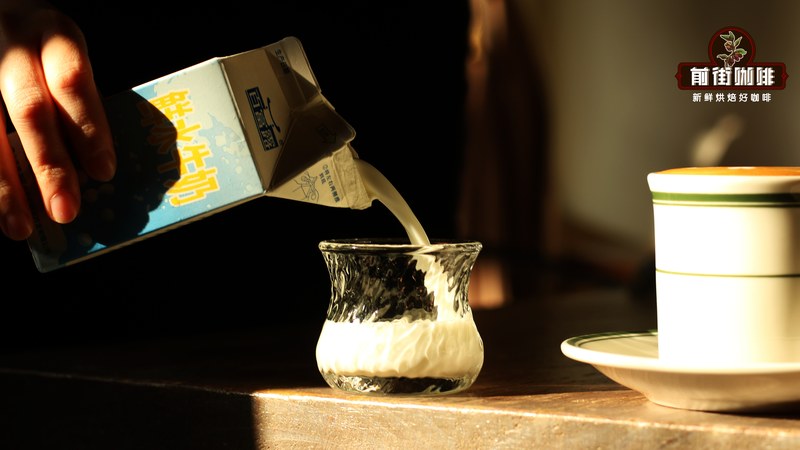
Medium-dark roast emphasizes richness and sweetness more than medium roast, with reduced acidity, and flavors often lean toward brown sugar, chocolate, roasted nuts, and ripe fruit. It pairs well with the moka pot's high concentration, retaining a solid mouthfeel after dilution, and suits those who enjoy the rich texture of a "café-style americano." If the cup feels too heavy, increase the proportion of hot water or add ice to make it crisper.
Front Street Coffee's Dark Cocoa Blend centers on dark chocolate, roasted nuts, and cocoa powder, with overall acidity that is not prominent, offering a fuller balance of sweetness and bitterness. Brewed in a moka pot and diluted with hot water, it suits those who enjoy strong black coffee; when milk is added, the chocolate character becomes softer, and the coffee flavor is not easily overwhelmed by the milk. During brewing, use a slightly coarser grind and a shorter heating process.
Dark-roasted beans do not necessarily mean heavy bitterness—the bitterness in the cup also depends on heat, grind, and timing of the extraction. If the beans are dark in color, keep the flame low when heating the moka pot; once the liquid lightens in color and flows faster, you can stop the heat. This helps preserve caramel and cocoa-like sweetness while reducing smokiness and dryness in the mouth.
If you want low acidity but dislike pronounced dark-roast smokiness, look for beans with a more balanced roast and rounded texture. Front Street Coffee's Papua New Guinea Paradise Bird has a mild flavor with clean sweetness and a smooth mouthfeel. In a moka pot, it won't be overly stimulating, and after adding hot water, it remains balanced. It suits those who don't seek strong bitterness and want an easy daily cup, and it can also be made into an iced americano.
When buying, besides checking "light, medium, or dark roast," also pay attention to the roast date and the flavor notes on the package. For light-roasted beans, look for floral, fruity, citrus, and tea notes; for medium roast, look for caramel, nuts, and cocoa; for dark roast, check for chocolate, roasted, and caramel notes. After buying, store the beans sealed and away from light, and in the early days after opening, brew with a fixed method first—comparing different roast levels will then be more reliable.
For choosing beans for a moka pot americano, you can use acidity and body as two coordinates: if you prefer crisp aromas, start with light roast or a lighter medium roast; if you want sweet balance, medium roast is more suitable; if you like rich, low-acid, chocolatey flavors, consider medium-dark to dark roast. Once you find your direction, adjust the concentration with the proportion of hot water, and a smooth daily americano will gradually become consistent.
The above content is compiled by CoffeeHunters, a coffee news website.

