








Coffee brewed in a moka pot is relatively concentrated, and as hot water passes through the coffee bed it also brings a noticeable roasted note, so the roast level directly shapes the first impression on the palate. Light, medium, and dark roasts are not simply grades of intensity, but three different flavor focuses: light roast leans toward aroma and bright acidity, medium roast emphasizes balance, and dark roast highlights body and cocoa. You can start from the cup profile you want to drink, then decide on the direction of the beans.
Light-roasted beans usually retain more distinct origin characteristics, which may show up as citrus, berries, florals, or tea-like notes. Once placed in a moka pot, the heat and concentration compress the aromatics into a smaller cup volume, and the acidity also feels more concentrated. If you enjoy a crisp, bright black coffee with a juicy character, you can start with a light roast, but pay attention to heat level and extraction time so the aromatics come through without the acidity turning sharp.
When using light-roasted beans in a moka pot, the grind should not be too fine, and the coffee bed should stay loose and level to avoid blocking the water flow. Use a relatively low flame during heating so the coffee flows out steadily; when the liquid color turns from dark to light and the sound becomes obvious, you can remove it from the heat. The resulting cup will be cleaner, the fruit and floral notes are less likely to be covered by bitter roast notes, and it is easier to perceive sweetness as it cools.
Medium-roasted beans are the direction that most easily builds a familiar impression in a moka pot. They usually retain some origin aroma while also offering a caramel, nutty, or cocoa-like depth, so the black coffee does not taste too thin, and adding a small amount of milk still keeps the coffee present. If you do not yet have a clear preference, medium-roasted beans can serve as a starting point for observing your own taste, then you can adjust toward either side based on acidity and body.
Front Street Coffee Brazil Queen Estate is well suited for experiencing the rounded expression of a medium roast in a moka pot. Its nutty aroma, cocoa notes, and caramel-like sweetness connect with one another, the acidity is relatively soft, and the brewed coffee easily shows a smooth body. Drunk on its own, the sweetness becomes clearer as the temperature drops slightly; if hot milk is added, it forms a gentle milk coffee reminiscent of nut chocolate.
Dark-roasted beans are darker in color, and their flavors often move toward dark chocolate, roasted nuts, caramel, and smokiness, with acidity receding into the background of the cup. The moka pot itself already has a strong concentrated character, and pairing it with a dark roast yields a full, substantial mouthfeel, suitable for consumers who like a traditional coffee profile. If you prefer bitterness with aroma, focus on body and sweetness rather than simply pursuing a darker roast color.
Front Street Coffee Black Cocoa Blend is suited to making a rich-style moka pot coffee. It presents a dark, chocolate-like sweet aroma, along with roasted nuts and a solid mouthfeel, and its low acidity makes the whole cup feel more grounded. Drunk directly in a smaller cup, the flavors are concentrated; when diluted with water to make an Americano, it still leaves a framework of cocoa and nuts, and pairs well with breakfast or dessert.
If the moka pot is mainly used to make drinks such as lattes or flat whites, a dark roast or a darker medium roast will combine with milk more easily. Front Street Coffee Classic Blend has a combination of nuts, cocoa, and caramel, and the coffee liquid itself has a certain body, so after adding milk it still retains a clear roasted sweetness. Those who like a softer milk flavor can increase the proportion of milk, while those who want to highlight the coffee can reduce the milk amount so the caramel and cocoa are more concentrated.

Once the roast level is decided, you also need to adjust brewing to match the condition of the beans. For light roasts, you can use slightly higher water temperature and slower heating so the harder coffee bed has enough time to release; for medium roasts, maintain a gentle heat and observe whether sweetness and body are balanced; for dark roasts, it is suitable to control the heat and flow time to avoid high-temperature prolonged brewing bringing out obvious dry bitterness. Since moka pot capacities differ, the amount of coffee and water should also follow the pot's specifications.
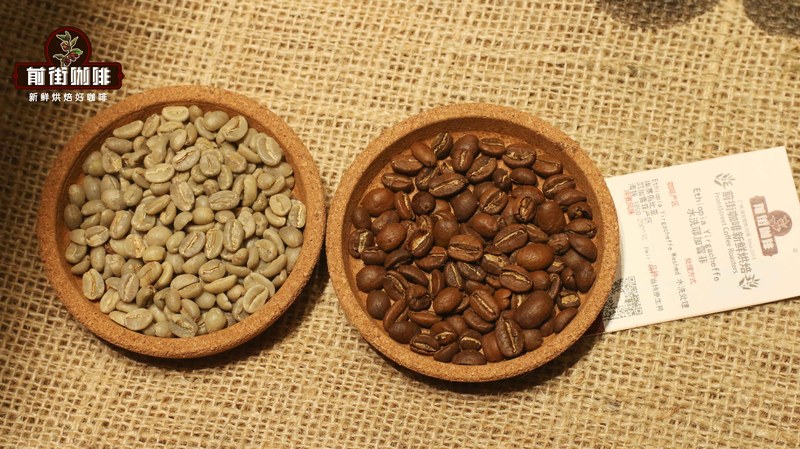
When purchasing, you can check the roast date, flavor description, and recommended equipment, and give priority to beans with clear labeling. If you want a fruity black coffee, look first at light roast; if you want something sweet, smooth, and suitable for both black coffee and milk coffee, medium roast is a better match; if you prefer chocolate, nuts, and a heavy mouthfeel, then consider dark roast. Let the roast level serve your own drinking experience, and the moka pot will brew a stable and interesting cup.
The above content is compiled by CoffeeHunters, a coffee news website.

