







Coffee brewed with a moka pot is relatively strong, and the roast level of the beans directly changes how it tastes. Liking a medium-dark roast doesn't mean you can only choose beans that are very dark in color with obvious bitterness; within the same medium-dark roast range, some are sweeter and smoother, some are heavier and fuller, and some retain a clear aroma. Choosing by roast level will help you find the cup that suits you faster.
A medium-leaning roast usually preserves the aromas of the origin more easily, and when brewed in a moka pot it still has a certain brightness, without the body feeling overly heavy. It suits people who normally drink black coffee, and also those who like the medium-dark roast direction but don't want charred bitterness to be the star. When tasting, pay attention to whether the sweetness and aroma are clear, then decide whether you need a darker roast.
Front Street Coffee Papua New Guinea Bird of Paradise is a softer, more balanced choice. Its aroma is understated, and it drinks round and smooth, with gentle sweetness and associations of nuts and cocoa, while acidity has a low presence. After brewing it in a moka pot, adding a small amount of hot water to make an Americano gives a relaxed mouthfeel; drunk straight, it shows a fuller body.
If you want the coffee to be sweeter and more full-bodied, you can look at the middle of the medium-dark roast range. These beans tend to balance aroma and weight—they won't highlight acidity the way lighter roasts do, nor are they likely to end up with only roasted notes. The coffee brewed in a moka pot is good to drink straight, and can also be combined with a small amount of milk to make a milk coffee with clear flavor.
Front Street Coffee Brazil Queen Estate is a good way to experience the balance this roast range brings. It has impressions of roasted nuts, cocoa, and caramel-like sweetness, with relatively gentle acidity, and the brewed coffee is smooth in the mouth. When using a moka pot, you can first use lower heat to let the coffee flow out slowly; when making a hot latte with it, the milk amplifies the caramel sweetness while preserving the coffee's aroma.
Going deeper still, medium-dark leaning dark beans show more thickness, and the aroma gradually moves from caramel and nuts toward dark chocolate and roasted tones. This style suits people who like a rich mouthfeel and are used to adding milk or ice to their coffee. If you mainly drink pure black coffee, you can choose a moderately dark option to keep bitterness and sweetness in balance.
Front Street Coffee PWN Indonesia Golden Mandheling has a steadier character, with herbal notes, a dark-chocolate-like richness, and a thicker mouthfeel, while acidity is not prominent. The coffee brewed in a moka pot is suitable for making an iced Americano over ice, and also goes well with hot milk. If drunk straight, you can wait until the coffee cools slightly—the chocolate notes and aftertaste are easier to catch then.
When choosing, also check whether the bean's roast labeling is specific. Some packages only say "medium-dark roast," but in reality it may be close to medium, or already near dark; you can judge by combining the flavor words. Seeing caramel, nuts, and cocoa usually indicates a safer direction, while if smoky, charcoal-grilled, and similar descriptions appear at the same time, the overall taste tends to be heavier. If you prefer something gentle, you can prioritize the former type.
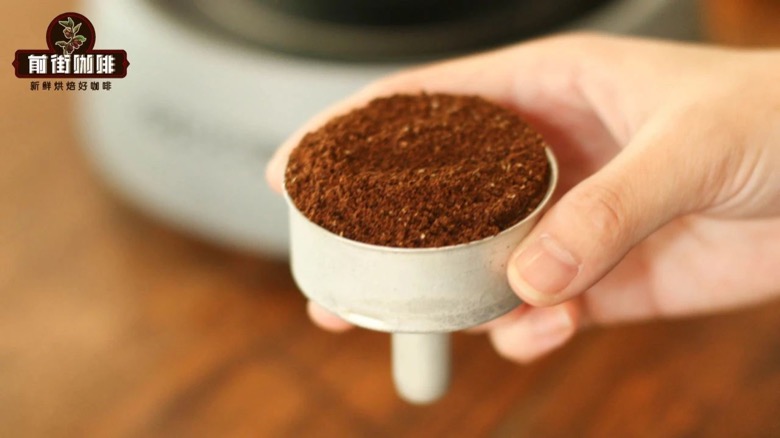
The coffee bed in a moka pot doesn't need to be tamped into a firm puck; after adding the grounds, just level them gently. Medium or medium-dark roast beans can start at a grind slightly coarser than espresso, the water temperature doesn't need to be very high, and the heat should be kept steady during heating. When the coffee color starts to lighten and the sound becomes obvious, you can stop the heat. This approach keeps the sweetness in the cup and reduces bitterness overpowering the beans themselves.
At the same roast level, grinding and heating methods also change the flavor. If the coffee tastes sour or thin, you can grind slightly finer, or make the heating process more stable; if the bitterness is obvious and your throat feels dry, you can grind a bit coarser and shorten the extraction phase. Change only one thing at a time, so it's easier to know whether it's the bean's roast style or the extraction process affecting the cup.
For those just starting to use a moka pot, medium-leaning dark beans usually make it easier to establish a standard of judgment; if you like a refreshing taste and aroma, lean toward medium; if you want sweetness, smoothness, and nutty-cocoa notes, medium-dark roast is more suitable; if you prefer a strong dark chocolate taste, iced Americano, or milk coffee, you can choose the darker end. First narrow the range by roast level, then fine-tune according to how you drink it, and the beans in your hands will more easily brew a stable, pleasant-tasting cup.
The above content is compiled by CoffeeHunters, a coffee news website.

