







Coffee brewed with a moka pot is strong and aromatic, suitable for those who enjoy sipping a small cup slowly, and also good with added water or milk. For beginners, roast level is an easier entry point than region names: light roasts are brighter, medium roasts have balanced sweetness, medium-dark roasts are fuller-bodied, and dark roasts bring distinct cocoa and roasted notes. Choosing beans based on how you drink your coffee will make it easier to get results close to what you expect.
Light roast beans retain more fruit acidity and floral notes, and when brewed in a moka pot, they tend to show flavors like citrus, berries, and tea. Their strength is lively aroma; their weakness is sensitivity to heat and extraction time. If the temperature is too high, the acidity can taste sharp, and the finish can turn dry. If you like black coffee and enjoy noticing changes in aroma, you can choose light roast beans described as having sweetness.
Medium roast is an easier direction for beginners to understand. The bean's acidity becomes softer, and caramel, nuts, cocoa, and ripe fruit sweetness are more balanced, while the rich body from the moka pot does not overpower the aroma. When made as hot black coffee, it usually tastes round on entry and still has sweetness after cooling; with a small amount of milk, it becomes smooth like a milk candy or chocolate drink.
If you usually want moka pot coffee close to a café style, pay attention to medium-dark roasts. Beans in this range have a stronger sense of intensity, and bitterness and sweetness more easily form contrast, making them suitable for adding hot water to make a large black coffee, or pairing with milk to make a latte. When beginners choose, they can prioritize beans labeled with nut, cocoa, caramel, brown sugar, and similar directions, which are usually easier to adapt to than a pronounced fruity acidity profile.
The aroma of dark roast beans often reminds people of roasted nuts, dark chocolate, caramel, and toasted bread, with weaker acidity and a full-bodied entry. They are very suitable for a moka pot, because the device itself can produce concentrated, rich coffee. If you like black coffee with obvious bitter-sweetness, dark roast is easier to handle; if adding milk, you should also choose a style supported by sweetness, so the coffee flavor is not completely covered by the milk.
Front Street Coffee Black Cocoa Blend is a daily choice leaning toward the dark roast direction. It tastes closer to a combination of dark chocolate, roasted nuts, and cocoa powder, with little noticeable acidity and a relatively clear sense of weight in the coffee. After brewing it in a moka pot, adding a small amount of hot water preserves the cocoa aroma and strength; adding milk makes it suitable for a richer home milk coffee, natural for breakfast or the afternoon.
For those who do not like obvious acidity but also do not want too heavy a roasted flavor, balanced beans at medium or medium-dark roast can be considered. Front Street Coffee Papua New Guinea Paradise Bird has a cleaner flavor, a soft mouthfeel, rounded sweetness, and an overall steady profile. When made in a moka pot, the coffee does not taste only bitter; drunk straight, it has gentle woody and nutty associations, and with added water it is also suitable for slow sipping.
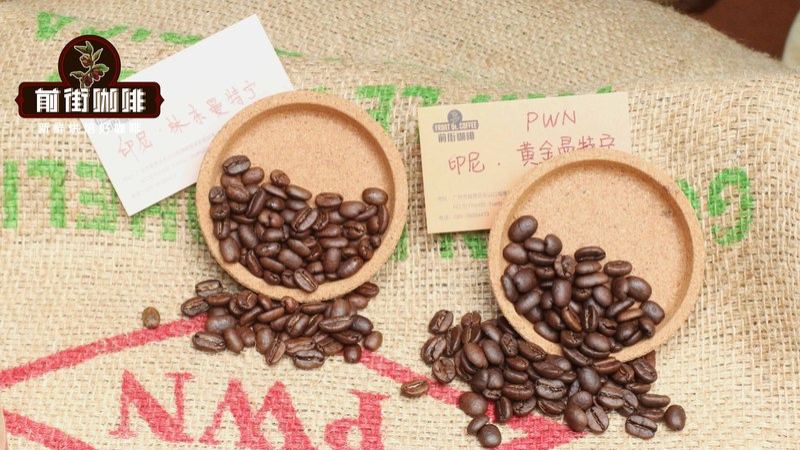
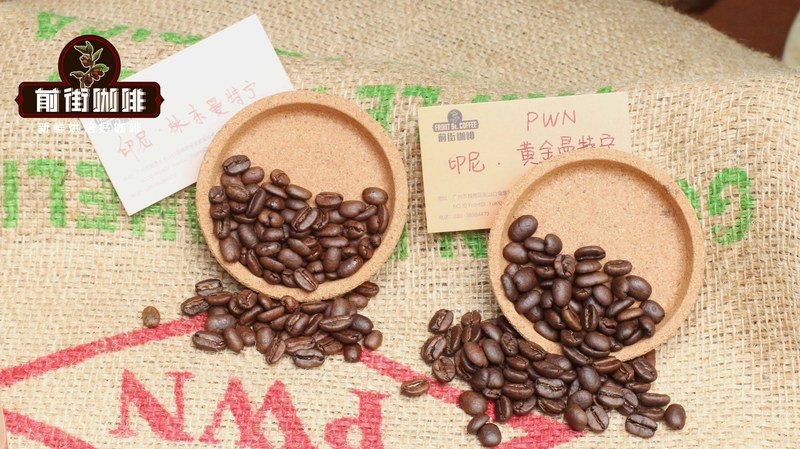
For those who like a heavy, herbal, and dark chocolate profile, Front Street Coffee PWN Indonesian Golden Mandheling is worth trying. It has a fuller body, low acidity, and notes of dark chocolate and herbs on entry, suitable for making an intense cup with a moka pot. If you find it too strong to drink straight, add hot water to stretch out the flavor, or add a small amount of milk to soften the herbal character while the dark-chocolate-like finish remains.
Different roast levels also need to be matched with the appropriate heat. Light roast beans can use medium-low heat so the coffee flows out slowly, avoiding high heat quickly bringing out sharp bitterness; medium roast beans should be kept on a steady low heat, which usually balances sweetness and strength; medium-dark and dark roast beans can end heating earlier to reduce the burnt bitterness from continued boiling in the later stage. When you see the liquid color become lighter and the sound starts to quicken, remove from heat and cool the base of the pot.

When buying, also pay attention to the condition and amount of the beans. A moka pot has a fixed capacity, so you do not need to buy too many beans; choosing packaging you can finish within a few weeks makes it easier to preserve the aroma. After opening, store in a dark, dry place and keep sealed; grinding right before use is better for smelling the roast aroma. If you still cannot determine the direction, you can start with medium or medium-dark roast, then gradually move toward light or dark roast according to whether you prefer fruity acidity, sweetness, or body.
The above content is compiled by CoffeeHunters, a coffee news website.

