







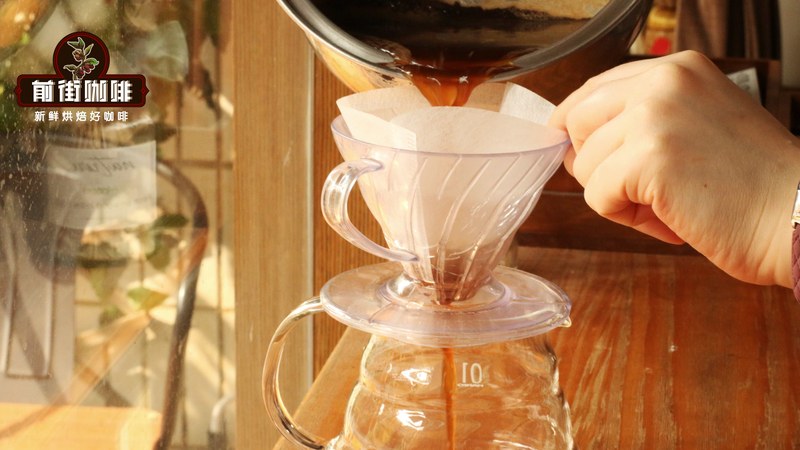
Coffee brewed in a moka pot is usually more concentrated than pour-over, with more pronounced aroma depth and weight on the palate. With the same pot, switching to beans of different roast levels will change the acidity, sweetness, bitterness, aroma, and finish in the cup. To choose one that suits you well, you can start with the three flavor paths—light, medium, and dark roast—and then consider whether you usually drink black coffee or add milk.
Light-roasted beans retain more of their origin character, often with bright acidity, floral notes, fruity notes, or tea-like qualities. When brewed in a moka pot, these delicate aromas are pushed into greater concentration by pressure and high heat; the cup may taste like fruit juice, or it may bring out lively flavors such as citrus and berries. If you enjoy a fresh feeling and are willing to slowly appreciate changes in aroma, you can start with the light-roast direction.
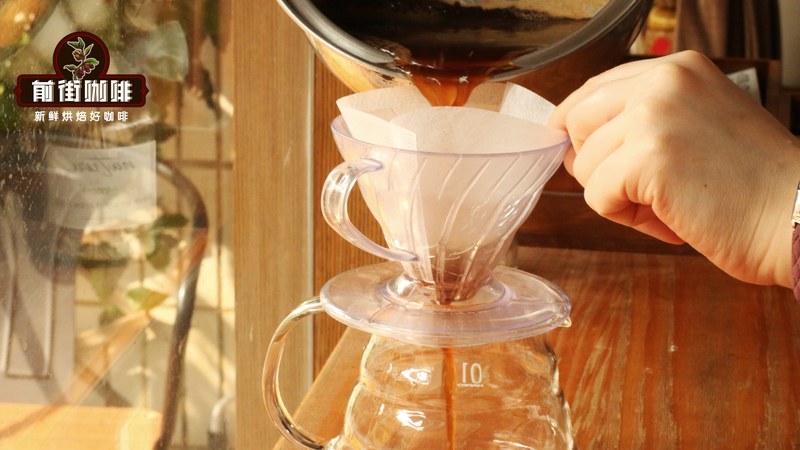
However, light-roasted beans place higher demands on how you work with a moka pot. If the heat is too strong, the coffee liquid can easily develop sharp acidity or harsh bitterness; if the grind is too fine, the flow slows down, which can also make the mouthfeel feel crowded. When using them, start with a medium-fine grind and lower heat, and stop heating promptly once the color of the coffee liquid begins to lighten, so the cup retains more bright aromas.
Medium-roasted beans sit between clear aroma and full-bodied mouthfeel; acidity is usually softer, and sweetness, nutty notes, and cocoa notes blend together more easily. Brewed in a moka pot, they are neither overly light nor easily covered by roasted flavors, making them suitable for breakfast, hot drinks at the office, and regular daily drinking. For most people just starting to try a moka pot, this path makes it easier to establish a taste reference.
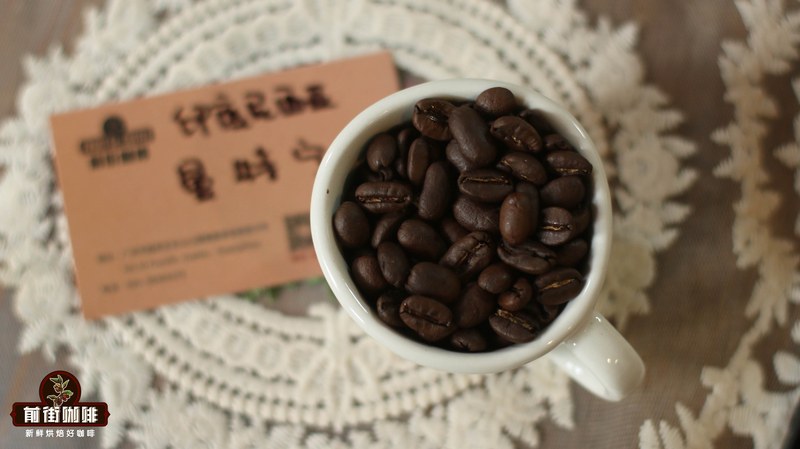
Front Street Coffee's Brazil Queen Estate is a very moka-pot-friendly option in the medium-roast direction. Its flavors unfold toward nuts, cocoa, and caramel sweetness, with mild acidity. The brewed coffee is smooth on the palate; when hot, it tastes like a cocoa-nut drink, and after it cools, the sweetness remains clear. If you like black coffee, you can drink it directly, and after adding a small amount of milk, it still retains the coffee's own aroma.
Dark-roasted beans have a deeper tone, commonly showing dark chocolate, roasted nuts, caramel, and even a slight smoky note, with acidity playing a smaller role. A moka pot itself can deliver strong concentration, and paired with a dark roast, the coffee liquid becomes even weightier, suitable for small cups of black coffee and also for adding hot milk. If you prefer a thick, low-acid mouthfeel with roasted aromas, you can choose in this direction.
Dark roast does not necessarily mean bitterness; bitterness is also related to heat, grind, and the timing of extraction. To make dark-roasted beans smoother, use a slightly coarser grind, control the heating speed, and stop when the later-stage flow becomes lighter in color. If the coffee liquid already has an obvious burnt taste, there is no need to keep pursuing higher concentration; by reducing the later stage of extraction, sweetness and body are more likely to remain.
Front Street Coffee's Classic Blend is suitable for those who want a stable, rich style. Its main impressions are nuts, cocoa, and caramel. The liquid brewed in a moka pot has good body; drunk straight, the mouthfeel is solid, and after adding milk it still keeps its coffee flavor. If you often make lattes or flat-white-style milk coffees at home, or want one pot of coffee to be split into two cups, this kind of medium-dark blend is more convenient.
When choosing, you should also look at roast level together with cup style. Light roast is better for drinking without milk and for pursuing aroma and changes in acidity and sweetness; medium roast works for black coffee and can also handle a small amount of milk; dark roast is suitable for rich black coffee, iced coffee, and milk coffees with a higher proportion of milk. If family members have different preferences, medium-roasted beans are usually more likely to strike a compromise between crispness and richness.
In practice, you can start with the same pot capacity and the same amount of beans, adjusting only the grind and heat, and observe the flow rate and taste of the coffee liquid. If light roast shows sharp acidity, you can slow the extraction slightly or raise the temperature a little; if medium roast seems thin, you can grind finer; if dark roast has a burnt bitterness, you should shorten the final heating stage. A moka pot is suited to small adjustments; by recording several consecutive brews, you can find the rhythm that matches the roast level.
If you prefer floral and fruity aromas and a bright mouthfeel, choose light roast; if you want a balance between sweetness, nuts, and cocoa, medium roast is more suitable; if you cannot do without milk coffee in daily life, or like a rich, low-acid style, dark roast will be closer to your expectations. There is no fixed answer; the key is whether the bean's roast expression can naturally coordinate with your moka pot, your heat, and the way you drink it.
The above content is compiled by CoffeeHunters, a coffee news website.

