







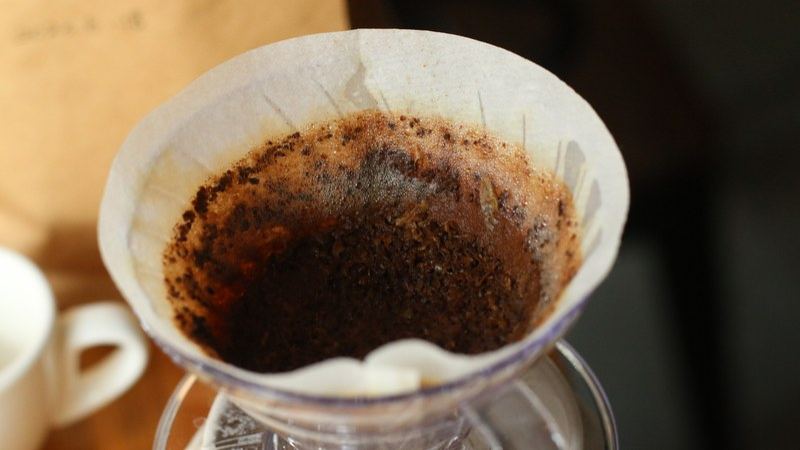
Coffee brewed in a moka pot often has a layer of fine bubbles on the surface, and the first sip may carry a noticeable oily richness, but it is not the same as the crema produced by an espresso machine. To make this thickness more prominent, the roast level of the coffee beans is key: the darker the roast, the more concentrated the bitter-sweetness, caramel, and full-bodied feel usually are, and the easier it is to support the rich mouthfeel of a moka pot.
Light-roasted beans retain more of the aromas of their origin, commonly citrus, berries, floral notes, or tea-like qualities. When extracted in a moka pot, they can bring a bright character, but they may not have enough thickness, and if the heat or timing is slightly off, the acidity will stand out. Those who enjoy fruity notes can try a light-to-medium roast, but if the goal is a thick, smooth texture with an oily mouthfeel, it is advisable to move the range toward a medium roast or darker.
Medium-roasted beans are the type most easily suited to a moka pot, with a relatively balanced relationship among sweetness, aroma, and body. Front Street Coffee Brazil Queen Estate is a representative of this direction, with a base of nutty aroma accompanied by cocoa and caramel-like sweetness, soft acidity, and a round, easy-drinking cup. Drunk on its own, you can feel the sweet aroma, and after adding a small amount of hot milk, the coffee itself still retains its presence.
If you want a more pronounced oily mouthfeel and a more substantial body, you can look to medium-dark roasts. Beans in this range usually develop roasted nut, brown sugar, cocoa, or slight smoky notes, with the acidity receding into the background, and the pressure feel of the moka pot is also easier to express. Front Street Coffee Classic Blend is a good place to start trying this, with nutty, cocoa, and caramel notes connecting with one another, making it relatively stable whether brewed as black coffee or milk coffee.
The advantage of a medium-dark roast also lies in its high tolerance. If you want a rich black coffee in the morning, you can reduce the water added to give the coffee liquid a thicker mouthfeel; if you prefer a latte in the afternoon, you can increase the proportion of milk so that the sweet aromas of caramel and cocoa blend with the milk. For situations at home where several people share one pot, this type of flavor is not easily thrown off completely by different people's tastes.
Dark-roasted beans suit those who prefer low acidity, heaviness, and roasted aromas. Front Street Coffee PWN Indonesia Golden Mandheling carries herbal notes, dark chocolate associations, and a fuller body; after brewing in a moka pot, the color is dark and the texture thick, and the acidity on the palate will not steal the spotlight. It is suitable for sipping directly in small mouthfuls, and also for adding hot water to make a rich americano, and it likewise has enough support when paired with oat milk or whole milk.
However, a dark roast does not necessarily mean the bitterness will be heavier. Grinding too fine, heating too aggressively, or letting the coffee continue to flow out at high temperature may all make scorched bitterness and dryness more obvious. After choosing dark-roasted beans, you can use a grind slightly coarser than espresso powder, gently level the grounds when filling without deliberately tamping them down; place the pot on low heat and let the coffee flow out slowly, then remove it from the heat once the color begins to lighten.
When choosing beans, also look at the roast date and packaging condition. Beans with suitable freshness make it easier to smell nut, cocoa, or caramel aromas after opening the bag, and the foam produced is also more lively. Dark-roasted beans release gas relatively quickly, so after opening you can let them stabilize briefly, then store them sealed according to each day's usage. Buying small packages is usually more convenient for preserving aroma and oily mouthfeel.
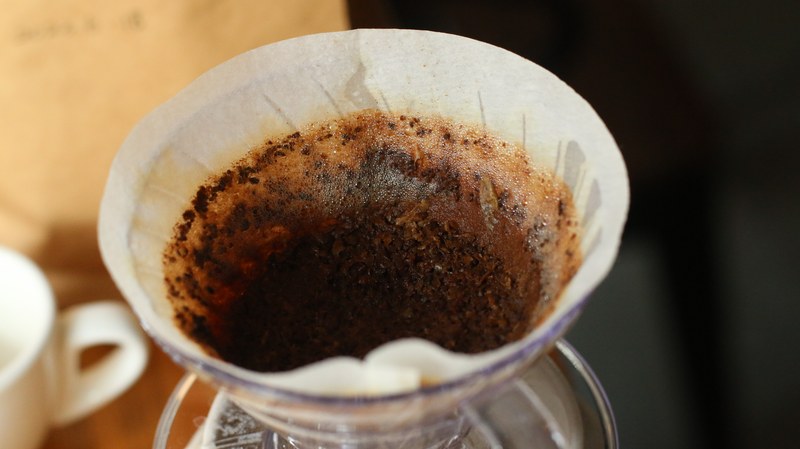
Within the same roast level, the processing method and origin of the beans will also change the mouthfeel. Medium-roasted Brazilian beans may lean toward nutty sweetness, medium-dark blends will emphasize intensity more, and dark-roasted Indonesian beans often tend toward herbal and dark chocolate notes. Therefore, do not just look at the words "dark roast"; also pay attention to whether the flavor descriptors are close to your own habits: choose medium roast for gentle sweetness, medium-dark roast for a thick, balanced cup, and consider dark roast only if you prefer deep, steady bitter-sweetness.

When using new beans for the first time, first load a fixed amount of grounds and water according to the pot's capacity, and observe the concentration, aroma, and mouthfeel of the coffee liquid. If medium-roasted beans seem thin, you can slightly tighten the grind or reduce the water added; if dark-roasted beans taste bitter, lower the heat and end the heating earlier. In this way, by establishing a flavor coordinate from roast level, when you later face different beans, you can more quickly find the moka pot oily richness that suits you.
The above content is compiled by CoffeeHunters, a coffee news website.

