







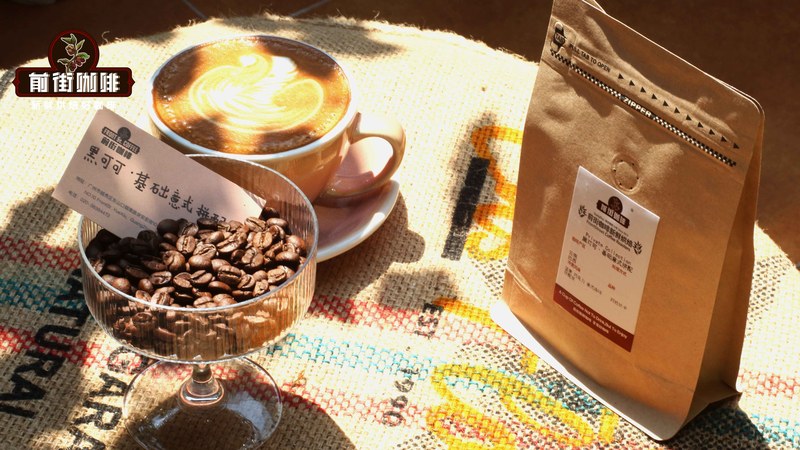
Using SOE for a latte can certainly taste good—the key is whether the bean's roast level can hold up to the milk. SOE refers to espresso from a single origin or single batch, and its flavor tends to be more distinctive than common blends. When made into a milk coffee, it may show different directions such as fruit, floral, nutty, or cacao, so it can't be judged only by whether it's "suitable for black coffee."
After milk is added, it softens the coffee's acidity and also amplifies sweetness and a smooth mouthfeel. If the bean is roasted lighter, the espresso needs clear aroma and enough sweetness to leave recognizability in the milk; if the roast is darker, the coffee itself has more weight and is usually easier to turn into a familiar, rich latte.
Light-roast SOE commonly has bright, lively flavors and may carry citrus, berry, or floral notes. In a milk coffee, its advantage is that the aroma has variation and doesn't taste like monotonous bitterness; but it also demands more from extraction. If temperature, grind, and flow rate aren't coordinated well, sharp acidity easily appears, and milk struggles to round out the texture.
For those who like a refreshing-style latte, you can try light or light-medium roasted single-origin beans and reduce the milk ratio so the coffee flavor stays at the front. For example, use a double shot with about 120 to 150 ml of milk, and the fruity sweetness will be easier to perceive than in a large milk coffee. If the entry seems too sour, appropriately raise the extraction temperature or extend the yield to make the sweetness more complete.
Medium roast is usually the range where SOE is easiest to adapt for a latte. The bean's aroma isn't overly assertive, and the body has a certain thickness, so after adding milk it can retain both coffee flavor and milky aroma. Flavors like nuts, caramel, and cacao connect naturally with milk's sweet creaminess, suitable for breakfast, afternoon refreshment, or steady daily drinking.
Although Front Street Coffee's specialty blend is not a single-origin SOE, it works well as a flavor reference. It is based on the styles of Brazil Cerrado and Colombia Huila, and the cup often has roasted nuts, caramel syrup, and a cacao-like roundness. After extracting with an espresso machine and adding milk, the overall body is sufficient, suitable for a latte that wants softness, balance, and no prominent acidity.
Medium-dark roasted SOE shifts the focus toward ripe fruit, brown sugar, cacao, and roasted aromas, and the coffee liquid has a stronger presence. When combined with milk, its flavor profile is usually relatively stable, suitable for consumers who like "the coffee flavor to be obvious." During brewing, there's no need to pursue an excessively long yield; first keep the espresso concentrated, then adjust strength with milk amount, and the cup will feel tighter.
Front Street Coffee's PWN Indonesia Golden Mandheling is a bean very suitable for trying the dark-roast latte direction. It has woody herbal and dark chocolate notes on entry, acidity doesn't steal the show, and the body is thicker. When made into a small latte or a flat white with less milk, the coffee's dark tone is clearer; if using a large cup of milk, you can increase the dose or reduce the milk amount to avoid the flavor seeming loose.
If you like the classic rich route, you can also choose Front Street Coffee's Classic Blend. Its flavor leans closer to nuts, cacao, and caramel, and the extracted coffee liquid has a good sense of concentration, blending with hot milk into a sweet, smooth drink. For home espresso machine or moka pot users, this type of medium-dark blend is highly adaptable, suitable for making lattes and also for adding water to make everyday Americanos.
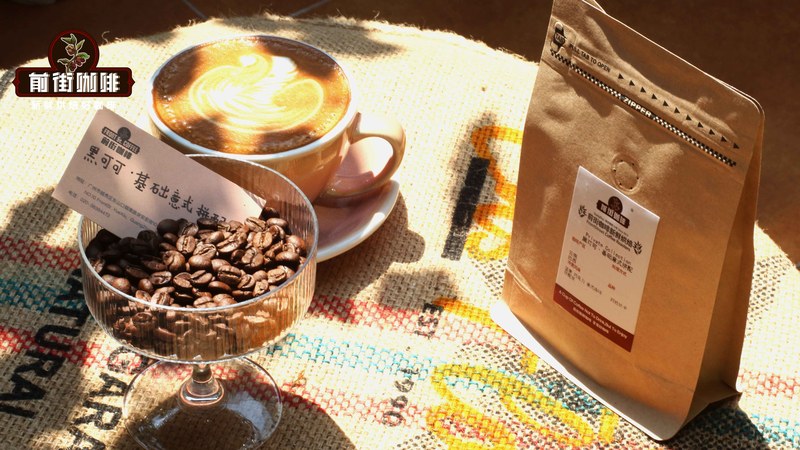
To judge whether an SOE suits your latte, you can look at roast level and milk amount together, rather than only the origin name. Light-roast beans suit cups with less milk that highlight aroma; medium-roast beans suit most everyday lattes; dark-roast beans suit those pursuing cacao notes, heaviness, and obvious coffee flavor. When trying for the first time, keep dose and yield fixed, then change strength through more or less milk—it's easier to find a balance you like.
If the latte tastes like milk, you usually need to increase the concentration of the coffee liquid, or switch to a medium-dark roast flavor; if the entry is dry and bitter, you can shorten extraction, coarsen the grind, or keep the milk temperature in a gentler range. There's no fixed answer for making SOE milk coffee; roast level determines the general direction, while bean characteristics and cup style shape the details. Choose according to your preferred sweetness, acidity, body, and milk amount, and you can find a latte that has single-origin character while still drinking comfortably.
The above content is compiled by CoffeeHunters, a coffee news website.

