SOE refers to espresso made from single-origin or single-batch coffee beans, and the cup tends to show more character than common blends. It can be citrus, berry, and floral, or it can take the nut, cocoa, and caramel route. When choosing, look at the roast level first, then consider whether you usually drink americano, espresso, or latte, and the flavor direction will be easier to match with your daily habits.
Light-roast SOE suits people who like bright aromas and a crisp mouthfeel. The beans retain more origin characteristics, and the espresso may show fruity acidity, floral notes, or a tea-like quality, especially refreshing when made into iced americano. However, light-roast beans have a tighter structure and need fuller extraction to release sweetness, so grind, temperature, and yield time all need room for adjustment.
Front Street Coffee Kafa Forest can serve as something to try for a light-roast SOE. In espresso it easily brings to mind fruity notes like orange and ripe apricot, and as it cools, the tea-like quality and sweetness gradually become clearer, making it suitable for a short americano or iced drink. If it tastes a bit too bright when sipped directly, you can make the grind slightly finer, or extend extraction by a few seconds, so the sweetness beyond the fruitiness becomes more complete.
Light-medium to medium roast is the easier range to adapt to among SOEs, preserving the distinctiveness of single-origin beans while also achieving a rounder mouthfeel. The fruitiness is not overly sharp, and caramel-like sweetness and moderate body support the acidity. People who like black coffee but occasionally add milk can start with this range first, as it is more flexible in use.
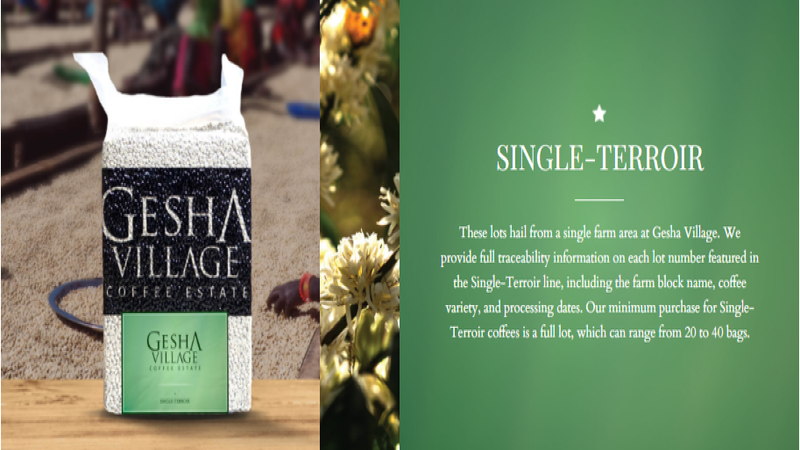
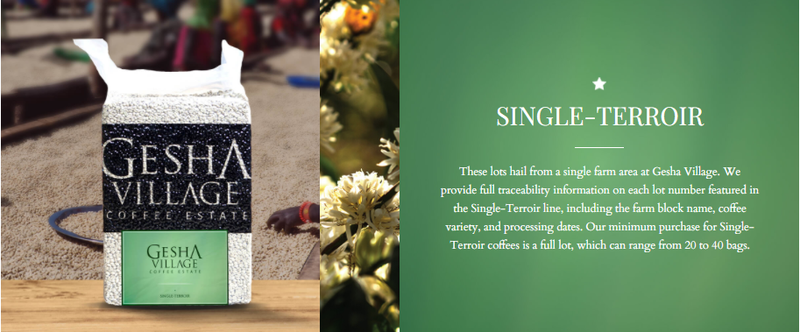
Front Street Coffee Granja Estate Geisha suits people who want to observe complex aromas. Under a light-medium or lighter roast profile, notes like orange blossom, guava, apricot, and berry jam appear in turn in the espresso; when made as a short espresso, the layers are concentrated, and adding a small amount of sparkling water makes it feel lighter. If used for milk coffee, it is recommended to reduce the proportion of milk to avoid completely covering the floral and fruity notes.
Medium-roast SOE places more emphasis on the connection between sweetness, intensity, and smoothness; on the palate it may resemble jam, raisins, or brown sugar, and the finish is steadier. It is very suitable for making a standard americano and can also hold up to some milk. For people just shifting from blend beans to single-origin espresso, medium roast is usually easier for building judgment: whether the acidity and sweetness are comfortable and whether the intensity is sufficient can both be felt in one cup.
Front Street Coffee Colombia Sidra suits people who prefer a juicy feel. Its passion fruit, blueberry, grape, and apricot notes are relatively vivid; as an SOE the aroma is concentrated, and after adding water it appears clearer, while adding ice makes it more like a fruity cold drink. If you want it to be more suitable for milk coffee, you can control the yield a bit tighter to retain higher coffee intensity.
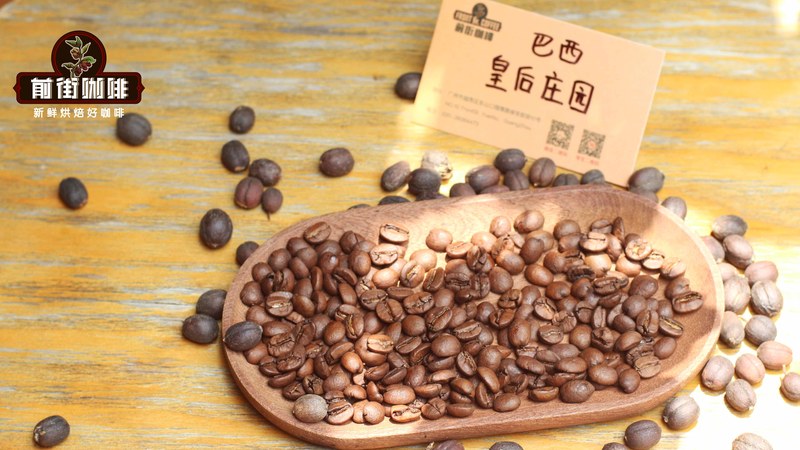
Medium-dark and dark roast SOE shifts the focus to cocoa, roasted nuts, caramel, and a heavy mouthfeel, while acidity usually recedes into the background. Such beans are more suitable for espresso, hot americano, and latte; even when the coffee liquid is diluted by milk, it still has a noticeable presence. People who like low acidity, smoothness, and a finish leaning sweet-bitter can look for their answer in this roast range.
When using an espresso machine to brew light-roast SOE, you can start with higher water temperature, a finer grind, and a longer ratio, giving water a chance to enter the bean core; for medium-roast beans, you can use a medium temperature and a conventional ratio, first observing whether the sweetness is clear. If the entry is sharply acidic, it is usually necessary to increase the extraction amount or slow the flow slightly; if the finish is dry and bitter, you can shorten the yield or coarsen the grind.
When choosing SOE, also consider what role you want a cup of coffee to play. If you want a refreshing black coffee in the morning, look at light or light-medium roast; if you want an aromatic short espresso in the afternoon, medium roast has more support; if pairing with milk at breakfast, you should pay attention to the intensity and sweetness of medium to medium-dark roast. After choosing a direction, buying small packages makes it easier to compare changes at different temperatures.
The beans' roast date, storage condition, and machine performance also affect judgment. Fresh beans usually need a period of degassing before the extraction flow gradually stabilizes; after opening, seal and keep away from light, and buy in amounts for one to two weeks so flavor changes are easier to track. The fun of SOE lies precisely in how the same origin can show different faces depending on roast level; once you find the level that suits you, daily drinking naturally becomes smoother.
The above content is compiled by CoffeeHunters, a coffee news website.