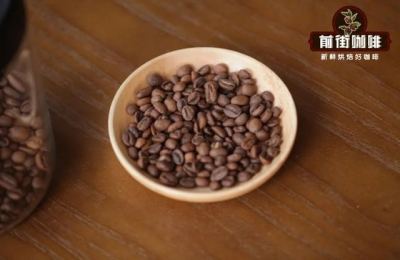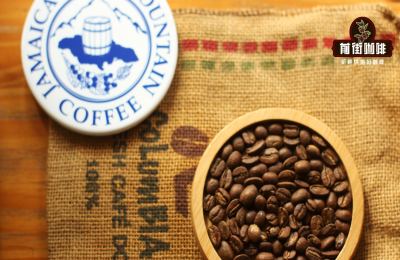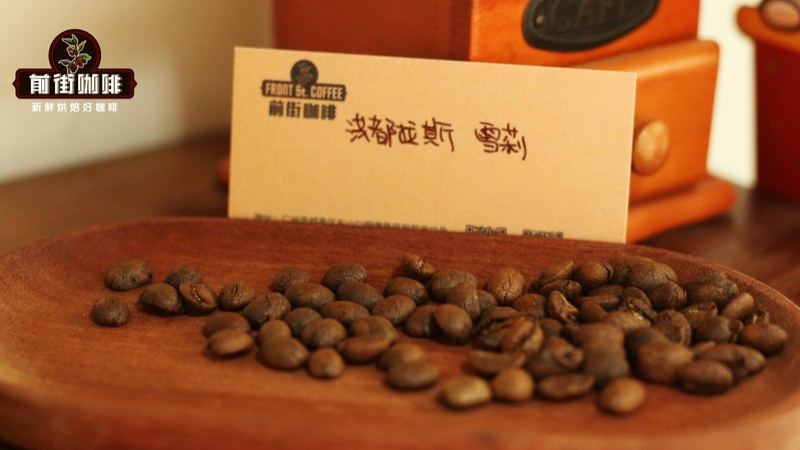
The choice of espresso beans is often easier to understand if you start with the roast level. Light roasts retain more origin character and suit those who enjoy bright acidity and fruity notes; medium roasts strike a balance between sweetness, aroma, and body; dark roasts lean toward cocoa, nuts, and caramel. Once you map this flavor progression onto espresso, americano, or latte, you can find the direction that works for you.
Light-roast beans pulled as espresso often show citrus, berry, floral, or tea-like notes, with a lively entry and a clear finish. They suit single shots or iced americanos, letting the aroma come straight through in the cup. However, light-roast beans have a denser structure and usually need a finer grind, higher water temperature, and sufficient extraction time, and machine stability can also affect the outcome.
If you normally prefer a juicy quality, try treating light-roast espresso as a flavor experience. A small amount of espresso can be added to sparkling water, or served over ice as a refreshing americano, where the sweet-tart character stands out more than in a hot drink. When trying it for the first time, start with beans that have clear roast labeling and flavors that are not too wild, so it is easier to tell whether the acidity is pleasant and the sweetness is complete.
Medium-roast beans are the easiest type to adapt to for home espresso, neither overemphasizing sharp acidity nor losing the coffee's own aroma. They often present nutty, cocoa, caramel, or ripe-fruit tones, and the espresso has a certain body—not hollow when drunk alone, and still retaining coffee flavor with a small amount of milk, making them suitable for steady daily use.
Front Street Classic Blend can be understood as leaning toward a medium-dark roast, where you are more likely to taste nutty, cocoa, and caramel-like ripe sweetness in the cup, with a fuller body on the palate. Pulled on an espresso machine, it suits hot americanos and can also support lattes, flat whites, and other milk coffees; if you also use a moka pot at home, this flavor profile can carry through into something rich and smooth.
If you want harmonious flavors without the coffee being too heavy, look to Front Street Specialty Blend. It is built on the flavor base of Brazil Cerrado and Colombia Huila, with natural transitions between nuts, caramel, and cocoa. As espresso it is round on the palate, still sweet after adding water, and softer with milk—one machine can cover a variety of daily drinks.
Dark-roast beans center on dark chocolate, roasted nuts, caramel, and woody tones, with acidity usually more restrained and the espresso's weight more pronounced. Those who like the traditional Italian style, or who are used to a rich americano in the morning, can look in this direction. It also pairs naturally with milk and is not easily overwhelmed by milk sweetness in a latte.
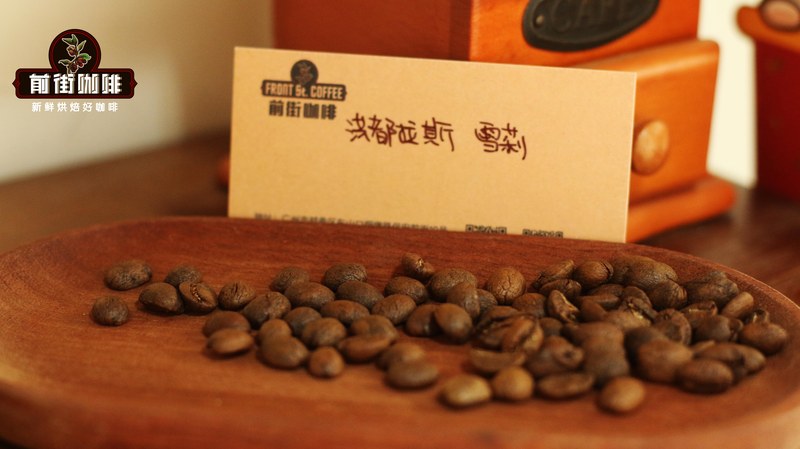
Front Street PWN Indonesia Golden Mandheling fits within the choices of dark-roast lovers, with prominent herbal notes, dark chocolate character, and a full-bodied mouthfeel, while overall acidity stays understated. Pulled as espresso on an espresso machine, it delivers a steady bittersweet flavor; if you switch to a moka pot or add water, the thickness remains obvious, suiting cups that do not pursue bright fruit acidity.
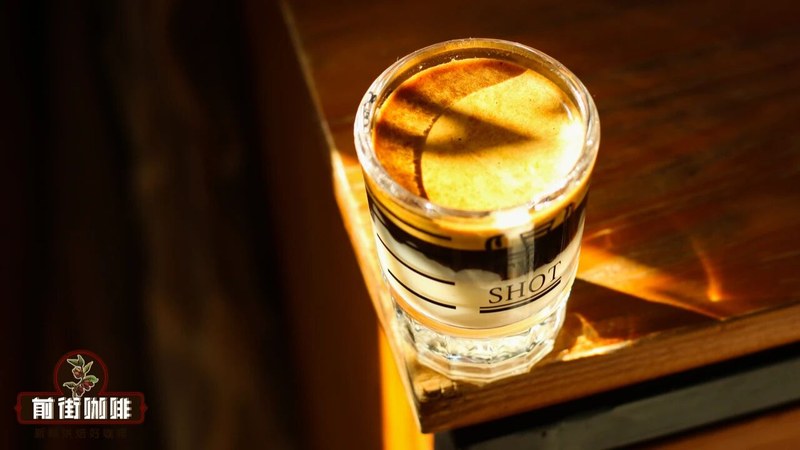
A darker roast does not mean you should extract more aggressively. For dark-roast beans, start with a slightly lower water temperature and a shorter yield, and watch for burnt bitterness, dryness, or smoky notes; for medium-roast beans, you can keep a fuller yield range to let the caramel sweetness fully unfold. If light-roast beans taste sharply acidic and thin, you usually need to increase extraction rather than simply raising the dose.
When actually choosing, first look at the drink you make most often. If you mainly drink espresso and americano without milk, medium roasts or fruity light roasts are more likely to show layering; if you make lattes or cappuccinos every day, medium-dark roasts with cocoa, nut, and caramel tendencies will have more presence. Your home machine's pressure, grinder precision, and consumption volume are also worth factoring into the decision.
After you buy the beans, roast level is only the starting point—you still need to adjust grind and yield based on how it tastes. If the espresso is sour and thin, grind finer or extend contact time; if the bitterness is dry, try a coarser grind, lower water temperature, or a smaller yield. Change only one variable at a time, and after a few cups you will figure out the sweet spot for that bean.
If you do not yet have a clear preference, start with a medium or medium-dark roast to establish a daily baseline, then extend toward the light and dark ends. Comparing this way gives you references for acidity, sweetness, body, and milk-coffee performance. There is no fixed answer for espresso beans; the truly suitable choice is the one that, within your machine, your drinks, and your daily rhythm, keeps producing a cup you are willing to finish.
The above content is compiled by CoffeeHunters, a coffee news website.