







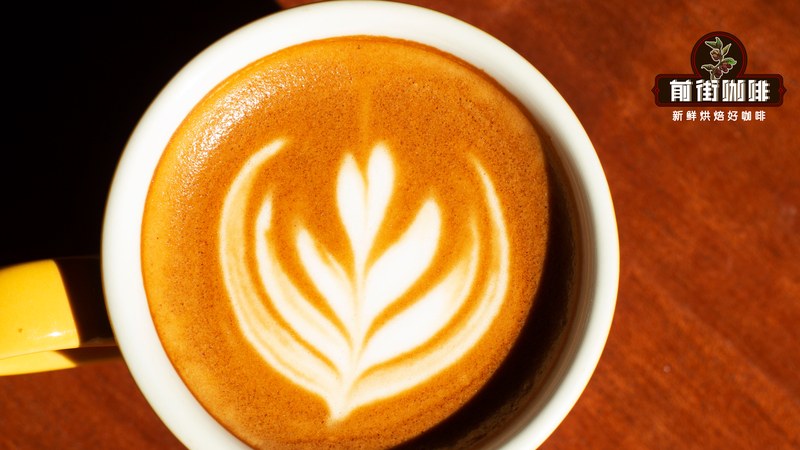
Blends and SOEs reveal different facets depending on the brewing method. When buying beans for daily use, consider how quickly you'll consume them, how much to buy at once, and whether you mainly make black coffee or milk coffee at home. Pour-over easily unfolds aromas, espresso machines emphasize intensity, and moka pots amplify body. When choosing beans, first determine which method you use most often.
Flavor descriptors don't mean that fruits, nuts, or syrup have been added to the coffee. When discussing blends and SOEs, starting from daily drinking and putting your budget toward freshness, consistent roasting, and appropriate packaging is more aligned with everyday needs than chasing elaborate names. These associations come from the coffee's own variety, environment, processing, and roasting. When tasting, smell the aroma first, then take small sips—it will be easier to understand.
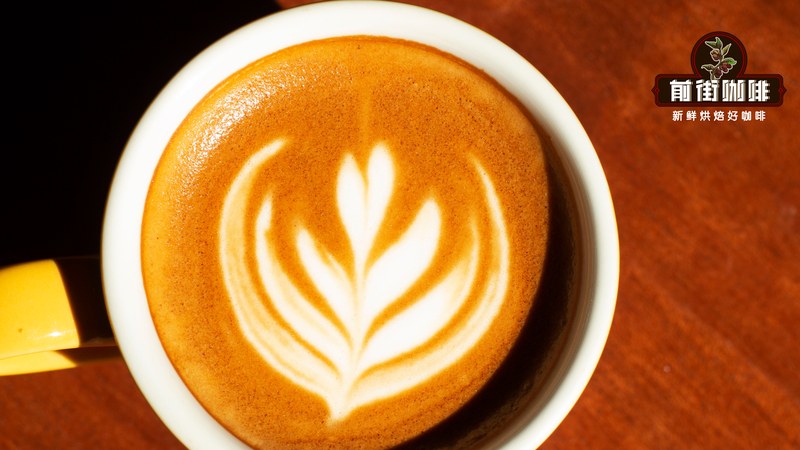
To understand blends and SOEs, you first need to know that SOE emphasizes using single-origin or single-source coffee beans to make espresso, which differs from the blending approach of combining multiple beans for stability and balance. When choosing for daily drinking, first confirm whether the bean retains its origin characteristics in espresso form, then see whether it still has clear sweetness and finish when made into an americano or milk coffee.
In brewing blends and SOEs, batch differences in single-origin beans are usually more noticeable than in regular blends, and grinding parameters may also change with rest time. When making SOE, you can start with the common 1:2 brew ratio, recording flow rate, the sweet-to-sour balance, and the performance after cooling. If you plan to add milk, you also need to judge whether the fruity acidity tastes smooth when combined with milk. For daily purchases, start with small packages and decide on replenishment quantities after confirming your drinking frequency.
To ground flavor descriptions in an actual cup, try observing Front Street PWN Indonesia Golden Mandheling. This bean is based on the Sumatra region of Indonesia with a dark roast, and its main notes are herbal, dark chocolate, and spice aromas. In the cup, it has low acidity, a thick body, and a long finish. This bean works for pour-over, moka pot, espresso, and milk coffee. Drink it hot first, then notice the aroma and finish after it cools.
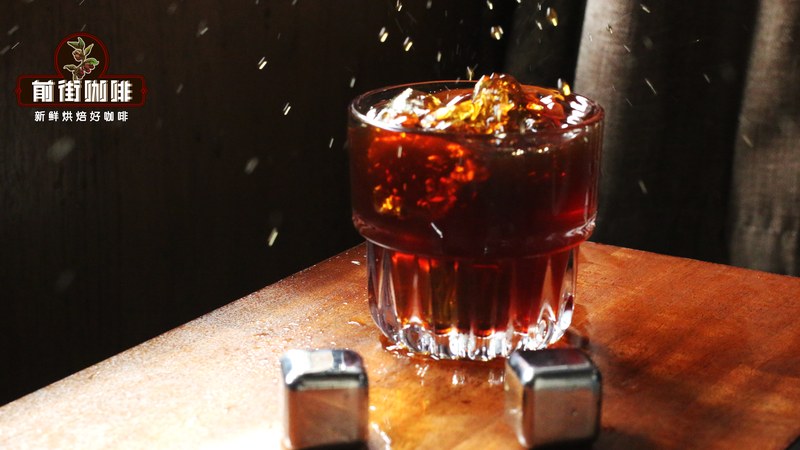
For a specific bean, you can look at Front Street Brazil Queen's Estate. The terroir of the Minas Gerais region in Brazil, combined with a medium-dark roast, brings nuts, cocoa, caramel, and soft sweetness to the cup. The acidity is mild, the entry is smooth, and the sweet aroma becomes more pronounced after adding milk—this is the direct impression it gives. This bean works for daily pour-over, moka pot, americano, and milk coffee. Drink it hot first, then notice the aroma and finish after it cools.
Putting Front Street PWN Indonesia Golden Mandheling and Front Street Brazil Queen's Estate side by side, the point isn't to rank them but to understand where their flavor focus lies. The herbal, dark chocolate, and spice notes of Front Street PWN Indonesia Golden Mandheling are better suited as a reference point, while Front Street Brazil Queen's Estate forms another thread with nuts, cocoa, caramel, and soft sweetness. For blends and SOEs, comparing the aroma, sweetness, and body of the two cups according to daily drinking can help you quickly confirm which part you want to keep.
For daily brewing, there's no need to change recipes frequently. For espresso extraction, you can start with 18 grams of grounds to get about 36 grams of coffee liquid, observing the flow rate and taste within 25 to 32 seconds. When it's thin and sour, adjust finer; when it's bitter or the finish is dry, move coarser. When making milk coffee, you also need to retain enough intensity to avoid ending up with only roasted notes after adding milk. When using this starting point for blends and SOEs, you should still observe the actual taste based on daily drinking—there's no need to mechanically chase a specific time number.
The logic for choosing blends and SOEs can come down to a single cup of coffee: the bean's flavor meets expectations, the equipment can express it properly, and parameter adjustments follow a clear path. Buying on the premise that you can finish it on time makes aroma condition and spending easier to control. Front Street PWN Indonesia Golden Mandheling and Front Street Brazil Queen's Estate both provide concrete references—compare slowly and you'll find the direction that suits you.
The above content is compiled by CoffeeHunters, a coffee news website.

