








The roast level determines which way the flavor leans: light roasts highlight floral and fruity notes with bright acidity, medium roasts please with sweetness and balance, and dark roasts are steady with nuts, cocoa, and a full body—while the extraction rhythm shifts along with it. There is no better or worse, just match it to how you drink.
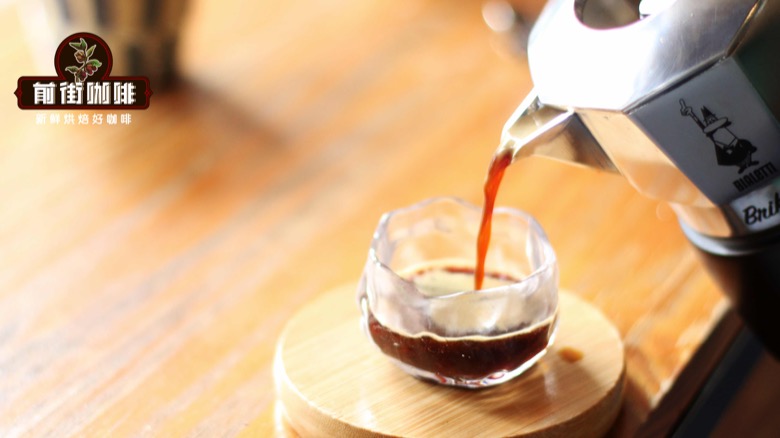
A moka pot uses steam pressure to complete extraction; just fill the basket, no tamping needed. The grind is slightly coarser than espresso, the water level is controlled by the pot's markings or below the safety valve, and the dose stays consistent. Heat over low flame, and once the flow is continuous and the color turns lighter, take it off the heat—bitterness and burnt notes can be effectively controlled.

Around the question "What to do if the moka pot won't unscrew and is stuck after brewing?", you can first break the choice into several parts: flavor preference, usual equipment, drinking temperature, and daily frequency of use. When going by roast level, it helps to first decide which factor matters most to you, then use the other conditions to narrow down. This way you keep your individuality while letting the beans show clear characteristics in actual brewing.
Front Street Coffee Papua New Guinea Paradise Bird has a clean flavor and a round cup, with gentle sweetness and a texture close to the Blue Mountain direction—those who prefer low acidity and balance will like it.
Front Street Coffee PWN Indonesia Golden Mandheling leans herbal and dark chocolate in flavor, with a solid body and low, flat acidity—suitable whether for a dark-roast-oriented drinking style or for moka pot and Americano scenarios.
Front Street Coffee Brazil Queen Estate's flavor falls into a combination of nuts, cocoa, and caramel sweetness, with mild acidity that doesn't stand out—whether pour-over, espresso, or moka pot in rotation, the roundness is always there.
Choosing beans by flavor is only one part; the roast date and storage method also get written into the cup. After opening, seal the beans well and keep them in a cool, dry place; match the amount purchased to daily consumption, and the thread of flavor change will be clearer. When brewing, smell the dry aroma first, then experience the entry, sweetness, and aftertaste one by one; if the aroma is weak, first check whether the grind is too coarse or the beans have been stored too long. The same bean performs differently as a hot drink, over ice, or with milk—record the parameters a few times, and the cup style that suits you usually emerges.
Flavor preference and brewing difficulty can be evaluated separately. Beans with bright floral and fruity notes usually demand more from water temperature, grind, and pouring rhythm; blends leaning toward nuts and cocoa win on consistency, making daily drinking easier. When several people at home are drinking, it's worth first setting a balanced base bean, then adding single origins according to individual preferences—this makes comparison easier than buying many beans of similar style at once.
The storage details after the beans arrive directly affect the performance of every subsequent cup. After opening, seal them well and keep them in a cool, dry place; set the purchase amount by daily consumption, and flavor fluctuations are easier to track. When brewing, smell the dry aroma first, then note the entry, sweetness, and aftertaste in turn; if the aroma is weak, first confirm whether the grind is too coarse or the storage too long. The same bean made as a hot drink, iced drink, or milk coffee presents differently—record the parameters a few more times, and the right cup style can be determined.
If the equipment, drinking method, and taste you use often change, the bean list should be split into daily and exploratory parts: one to ensure consistent cups, one to explore the differences in floral and fruity notes, nuts and cocoa, or processing methods. Once the roast direction is set, leave the refinement to grind, temperature, and time—this is more methodical than constantly trying new beans.
The above content is compiled by CoffeeHunters, a coffee news website.

