







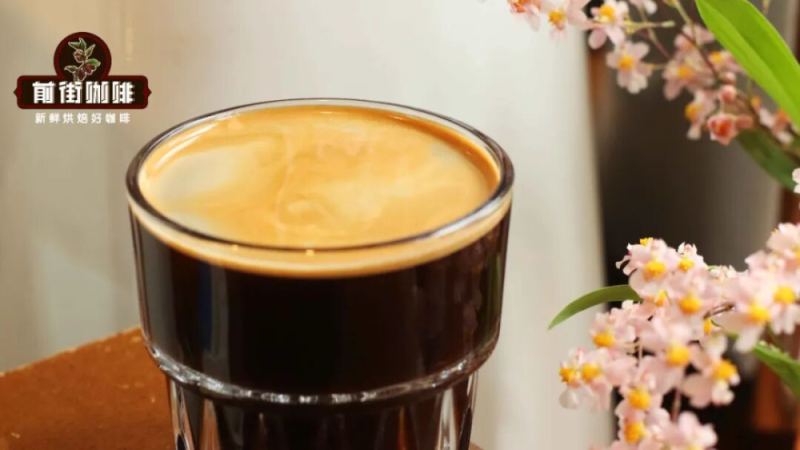
What Makes an Americano Coffee Different From Drip?
An Americano can mean two very different drinks, and that explains the huge price gap between shops, free refills included. Most cafés make theirs by pulling espresso from an espresso machine and diluting it with water in a set ratio. The other version is plain black coffee brewed in a drip pot, which costs far less per cup, so some shops can refill it for free.
The term itself is muddled. Some people call French press or moka pot coffee an Americano, and others mean black coffee from a drip machine, which is why Front Street asks bean buyers which kind they plan to make. For independent specialty coffee shops, the default is espresso cut with water, so taste and price depend heavily on which method a shop uses.
Every morning, many office workers start their day with a cup of Americano—it wakes them up and pairs well with breakfast. But have you noticed that the price of Americano varies hugely from shop to shop, and some even offer free refills? Behind this lie two common "Americano" methods: diluting espresso with water, or brewing with a drip pot. The two differ in ingredients, equipment, flavor, and cost. From the perspective of Front Street Coffee, this article breaks down the broad definition of Americano, compares the differences between espresso machine and drip pot output in taste, consistency, and price, and explains why some Americanos come with free refills. Whether you're a coffee enthusiast or just need your daily fix, you'll find the answer here.
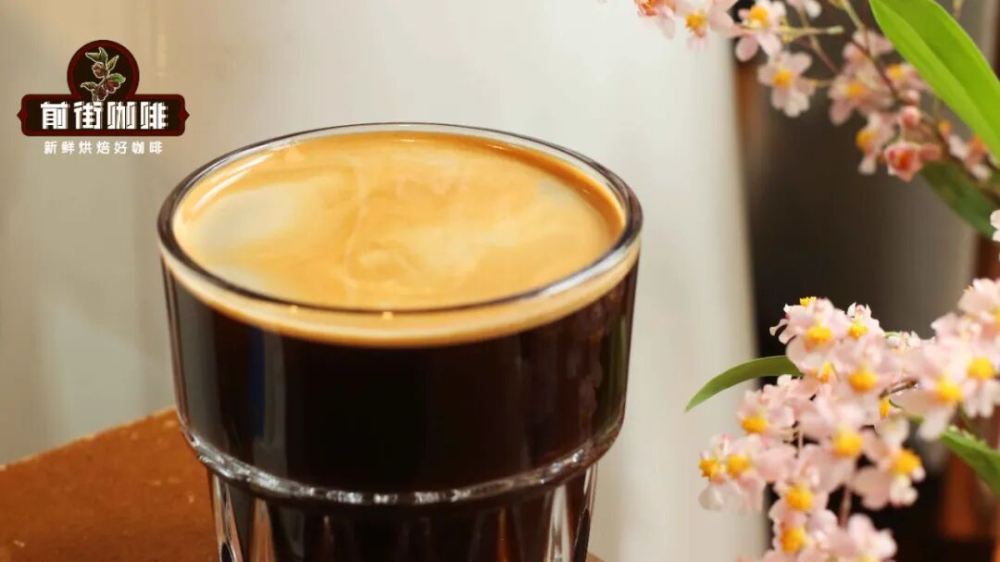
For many office workers, the first thing in the morning is to wake themselves up with a cup of coffee—both for the caffeine boost and to go with breakfast. And among the many choices, the most popular is that "dark" cup of Americano.
Different coffee shops have vastly different positioning, ingredients, and operating methods, so the price of an Americano naturally ranges from single digits to dozens of yuan, and some places even offer free refills. With such a huge price gap, what exactly is different about how they're made and how they taste?
What exactly counts as an Americano?
Front Street has found that, compared with a latte, Americano is actually a very broad concept, and its definition is quite muddled.
In many people's eyes, an Americano can be a low-concentration coffee made by diluting espresso with a large amount of water, or any light version of black coffee. For example, some call coffee made with a French press "Americano," some think coffee from a moka pot diluted with water also counts as "Americano," and others are used to calling black coffee from a drip machine "Americano." Precisely because the word "Americano" is so vague, whenever a customer comes to Front Street to buy coffee beans, we always ask first: which kind of Americano are you making?
The "Americanos" currently sold on the market mainly fall into two categories:
For most cafés in China, especially independent specialty coffee shops, an Americano by default is black coffee made by extracting espresso from an espresso machine and then diluting it with water in a certain ratio. It's affordable, refreshing, and widely accepted, and is almost standard in every coffee shop. But limited by price, home espresso machines are not widespread, so this kind of Americano usually appears in coffee shops.
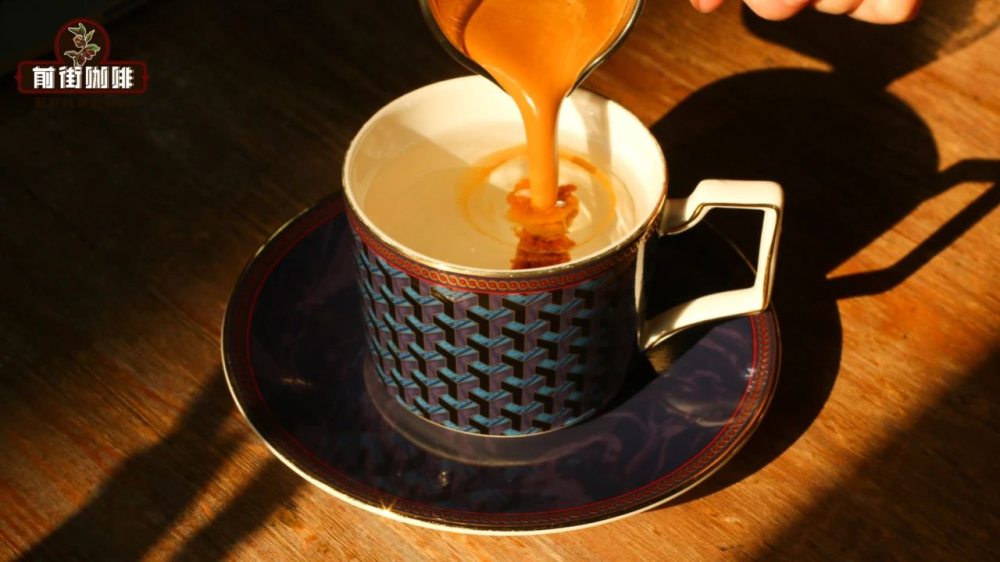
The other is black coffee made with an electric drip coffee maker, called drip coffee or brewed coffee in English. Its price is often only one-fifth or even one-tenth that of espresso-based coffee, and it mainly appears in offices, homes, and hotels. Because this kind of pot was born in the United States, it's also called an American coffee maker, and the black coffee it makes is naturally called "Americano."
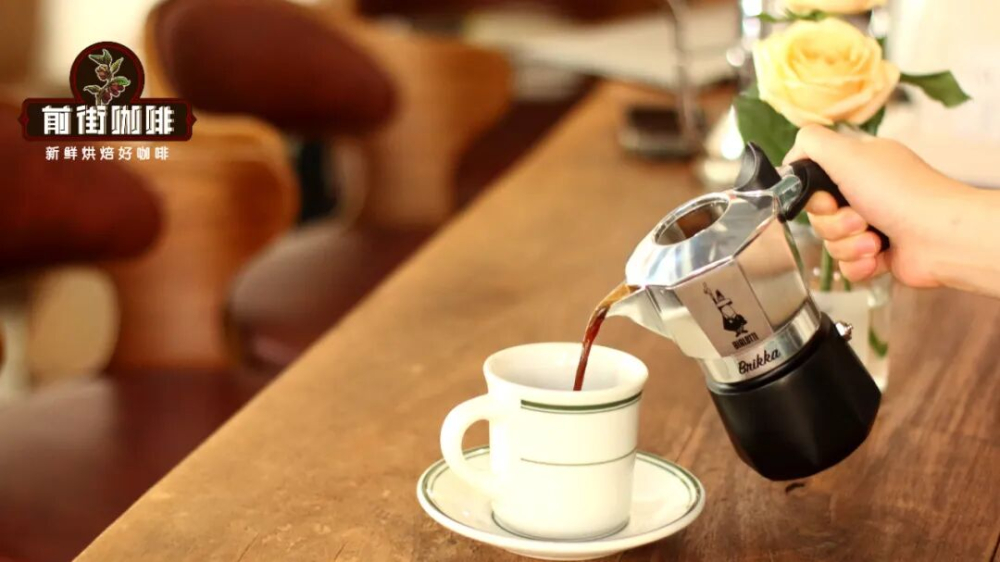
Compared with an espresso machine, a drip pot is very convenient to use. No pressure is needed during extraction; hot water directly drips through and soaks the coffee grounds, then filters through a paper filter or mesh, producing a relatively thin-bodied coffee.
What's the difference between the two kinds of Americano?
It's easy to see that both "Americanos" are essentially relatively light black coffees, but due to different brewing principles, there are still obvious flavor differences. To find out the difference, we once used Front Street Golden Mandheling coffee beans to make a cup of black coffee with an espresso machine and a drip machine respectively for comparison.
Front Street's parameters for extracting Golden Mandheling with an espresso machine are: 20 grams of coffee grounds, 38 grams of espresso extracted in 26 seconds. The espresso is dark brown, covered with a thick layer of crema, and smells of rich caramel. Then prepare 250 milliliters of warm water and pour in all the espresso. This cup of Golden Mandheling Americano tastes of rich dark cocoa, roasted nuts, and spices, with a sweet finish.
Many parameters of a drip coffee maker are preset by the manufacturer. We just need to add water, put in a filter, pour in the coffee grounds, and press the switch; the rest is left to the machine, and a few minutes later the coffee flows out. In terms of taste, the drip pot version of Golden Mandheling Americano is mainly caramel, with decent overall balance, but the flavor is on the weak side and the aroma is not strong enough.
If we're only talking about the taste of Americano, the espresso machine clearly wins; but when it comes to extraction consistency, convenience, and price, the drip pot has the advantage. Coffee with free refills often takes all three of these into account.
They're all called Americano, so why are some very expensive while others come with free refills?
Front Street often mentions in its articles that the taste of a cup of Americano mainly depends on the coffee beans themselves, followed by the extraction quality of the espresso, and finally the dilution ratio. Therefore, the ingredients are the most crucial.
Independent coffee shops care more about taste, so the beans they use are generally not too dark, mostly medium-dark roasts with nutty and chocolate notes. Some specialty coffee shops that emphasize novel flavors will even specifically choose higher-quality single-origin beans for espresso, and the cost naturally rises. Front Street once had a cup of Americano made with Panama sun-dried Geisha, priced at 48 yuan, a full 30 yuan more expensive than the regular Americano on the menu.
Chain brands are different. Whether they use semi-automatic espresso machines, fully automatic coffee machines, or drip pots, they usually use very dark-roasted beans. First, to ensure consistent output across all stores, so that even if the operator changes there won't be much fluctuation; second, so that when made into various fancy coffees, the taste falls within a rough range. But due to different brand positioning, a cup of Americano at these chains can sell for anywhere from a few yuan to twenty or thirty yuan.
As for the "Americano" with free refills, its original purpose is more to provide consumers with the perk of "unlimited coffee." Front Street believes that, more than taste, an affordable price and getting caffeine are what everyone cares about most. To meet these needs, this kind of "Americano" is made with a fast, convenient, and cheap drip pot, and because there's no fuss about taste, it's paired with special commercial coffee grounds—so the resulting coffee naturally offers no "surprises" to speak of.
- END -
The above content is compiled by CoffeeHunters, a coffee news website.


