







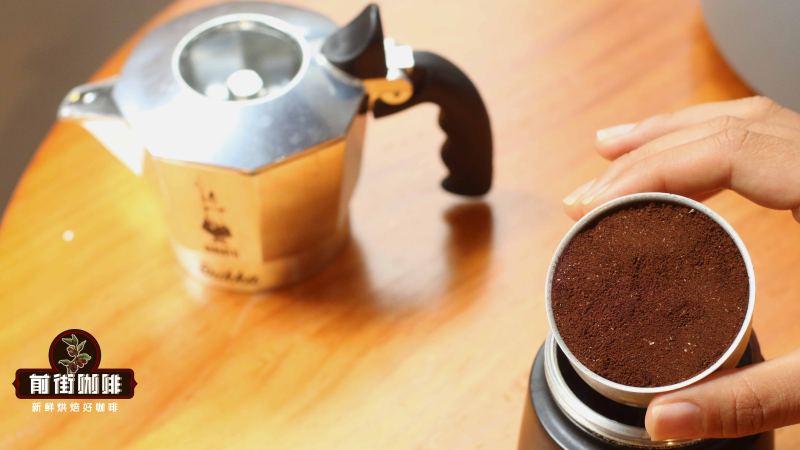
Do moka pots need special coffee beans?
Any coffee bean can be brewed in moka pots, espresso machines, or cold brew gear; there is no fixed bean that a device requires. What actually matters is whether the finished cup matches the flavor you want. Front Street advises beginners to start from taste, not equipment, because the same bean can taste very different depending on how it is brewed.
Roast level is the clearest guide. Lighter roasts keep more of the bean's original acids, so the cup leans bright and sweet-sour, while darker, longer roasts break those acids down and push bitterness and body forward. Processing method and origin characteristics add further detail, so pick a roast and origin that match the profile you enjoy.
Many friends who are just getting into coffee are often puzzled: what beans should a moka pot use? What suits an espresso machine? Is there a专属 choice for cold brew? In fact, any brewing tool can handle any coffee bean—the key is what flavor you're hoping to drink. From Front Street's perspective, this article teaches you how to precisely identify the bean that truly suits you based on personal taste, roast level, processing method, and origin characteristics, along with recommendations from several of Front Street's popular bean lists, so that beginner purchases are no longer confusing.
Front Street's back office frequently receives questions like these: "What beans should a moka pot use," "What beans pair well with an espresso machine," and "What kind of coffee beans suit cold brew"…
Many newcomers easily fall into a misconception, believing that a certain brewing method must correspond to a certain most suitable coffee bean. But the reality is that whether it's a moka pot or an espresso machine, they can brew any coffee bean—there is no absolute division between suitable and unsuitable. So-called "suitable" actually means whether the final brewed coffee meets your taste expectations—it's that simple.
So rather than asking what beans a certain device is suitable for brewing, it's better to first figure out what type and flavor of beans you actually want. Today, Front Street will talk with everyone about how beginners can precisely find their own cup of coffee!
Step one: first clarify your flavor preference
Front Street still recommends starting with taste preferences for initial screening: do you prefer coffee with acidity and rich layers, or do you prefer a type with prominent bitterness and high body? These two correspond exactly to light-roasted acidic coffee and dark-roasted bitter coffee.
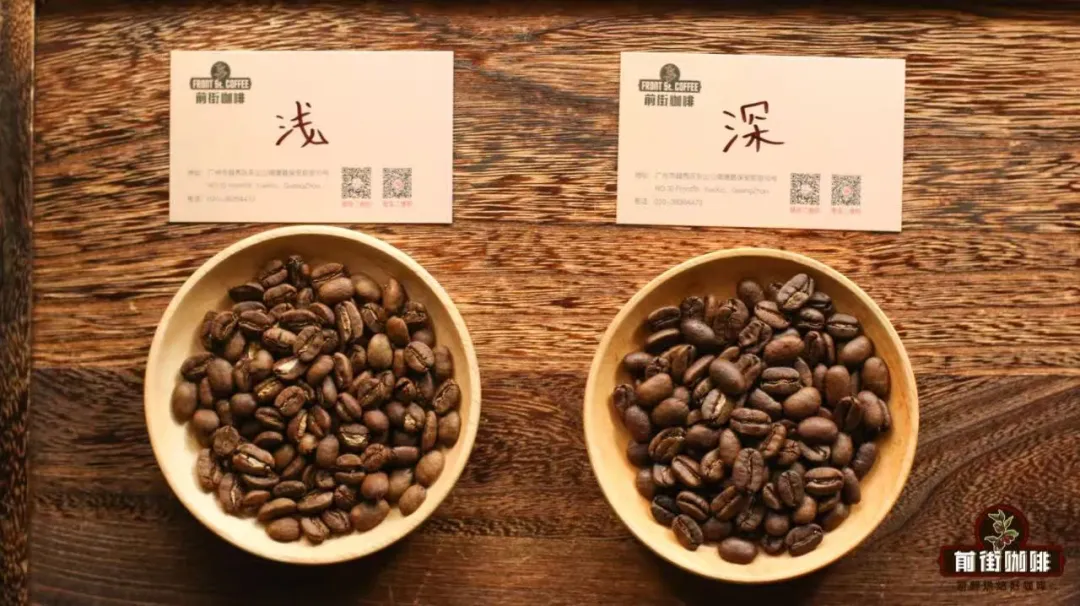
Coffee flavor is deeply influenced by roast level. The lighter the roast and the shorter the time, the more of the original acidic substances in the coffee beans are retained, and the taste is dominated by acidity; conversely, the darker the roast and the longer the time, the acidic substances are gradually broken down, bitterness increases and overwhelms the acidity, ultimately presenting a bitterness-dominated profile.
Therefore, if you want to drink coffee with acidity, aroma, and a sweet-sour style, you can choose light-roasted or medium-light-roasted beans; if you prefer a bitter, richly roasted aroma experience, then choose medium, medium-dark, or dark-roasted coffee beans.
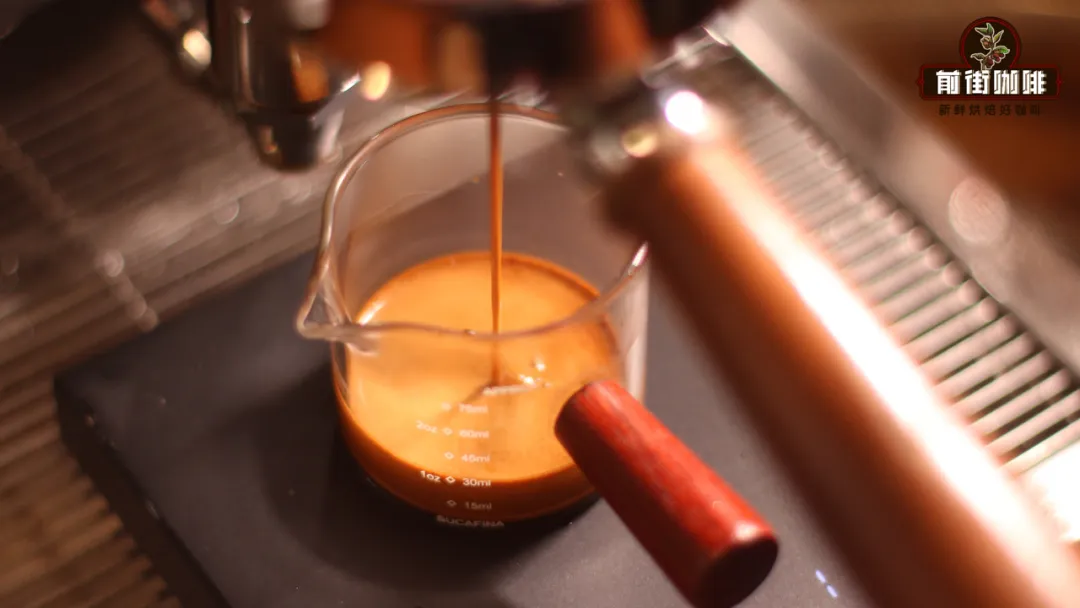
However, most merchants do not print the roast level directly on the packaging, so when purchasing you can roughly infer it by consulting the seller or from the flavor description on the label. For example, the popular Front Street Huakui coffee beans have a flavor description of berries, citrus, floral and other fresh fruity and floral notes, so this bean is most likely light or medium-light roasted; while the versatile Front Street Queen's Estate coffee beans list chocolate, nuts, cream, caramel, toast, etc., meaning its roast level is on the darker side.
Step two: use processing method and origin to precisely lock in flavor
After choosing the roast level, you can further screen based on other information on the label. The most direct way is to look at the flavor description and confirm whether it contains notes you like. If you want to pursue special mouthfeel, rich layers, or cleanliness more precisely, you can pinpoint it through processing method and origin.
Front Street will start with processing methods. As is well known, different processing methods, due to different fermentation degrees, cause coffee to develop different characteristics. The common processing methods on the market mainly include natural, washed, honey, and anaerobic. This time Front Street will share around these four.
If you pursue coffee with high cleanliness and bright acidity, washed processing will be an ideal choice. Because washed processing removes almost all fruit pulp and pectin at the very beginning, fewer substances participate in fermentation, and the coffee can better express the variety and regional character. Recommended washed beans: Front Street Gutingding, Front Street Bird of Paradise.
If you prefer coffee with high flavor complexity and rich layers, you can try natural processed beans. Natural processing directly dries and ferments the whole coffee fruit, with more substances participating in fermentation, developing richer flavors. Recommended natural beans: Front Street Red Cherry, Front Street Queen's Estate.
Honey processing is between natural and washed. It removes the skin and pulp but retains the pectin for drying and fermentation, and the drying time is shorter than natural and longer than washed. If you like coffee with prominent sweetness and more flavor layers, honey processing will be a good choice. Recommended honey-processed beans: Front Street Blackberry, Front Street Strawberry Candy.
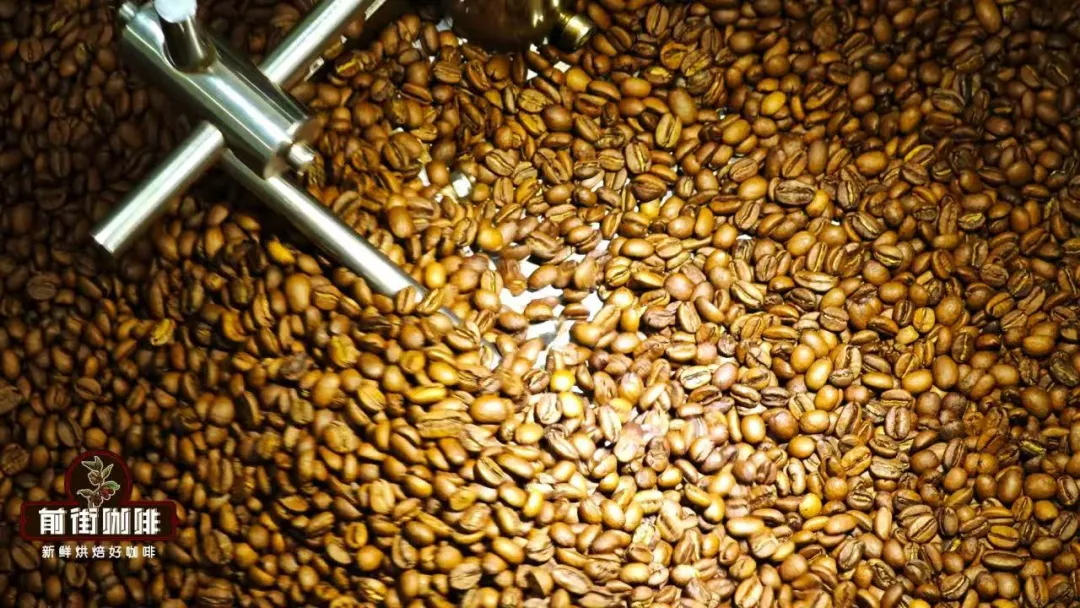
And the vast majority of anaerobic processing usually has a higher fermentation degree than the previous three, so flavor complexity and recognizability are often higher. Anaerobic beans generally have an obvious fermented feel. If you like highly recognizable flavors and can accept fermented notes, then choose anaerobic processing. Recommended anaerobic beans: Front Street Xizhua, Front Street Big Belly Button.
As the saying goes, "Oranges grown south of the Huai River are oranges; oranges grown north of the Huai River are trifoliate oranges." Coffee grown in different regions has completely different flavor expressions. Therefore, we can also select carefully by origin.
If you want to drink fresh, fruit-rich coffee, you can focus on origins such as Ethiopia, Kenya, Panama, and Colombia; if you prefer mellow, nutty-chocolate notes, you can choose origins such as Brazil, Indonesia, and Jamaica—beans from these places mostly use darker roasts; as for those who want higher sweetness or a balanced type, you can pay attention to origins such as Costa Rica and Papua New Guinea.
In addition…
Besides flavor, Front Street guesses everyone may also care about certain special functions of coffee beans, so here they are also listed: if you want coffee to extract rich crema and not have its taste easily masked by milk when made into milk coffee, it's best to choose dark roast or a blend containing Robusta beans; and if you want beans with lower caffeine content that won't affect sleep, you can choose decaf coffee, such as the Colombia Swiss Water Decaf in Front Street's bean list, which is a very worthwhile option to try.
The above content is compiled by CoffeeHunters, a coffee news website.


