








What Makes Geisha Coffee So Expensive?
Geisha coffee commands prices six to ten times higher than ordinary varieties, and repeated record bids at Panama's BOP green bean auctions push that gap wider each year. The cost reflects a scarce variety, difficult cultivation, and a distinctive flavor profile rather than marketing alone.
The variety was first collected in the Geisha forest of southwestern Ethiopia in the 1930s, then spread through Kenya, Uganda, and Tanzania before reaching Panama. Hacienda La Esmeralda's 2004 BOP debut made it famous. Ethiopia is the botanical home, while Panama is the commercial stage, and auction lots from both origins remain the most expensive coffee in the world.
Originating from the forests of Ethiopia, Geisha has now risen to become the most remarkable luxury symbol in the specialty coffee world. In Panama's BOP green bean auctions, its transaction prices have repeatedly broken records; even through regular sales channels, its price is often six to ten times that of ordinary varieties. Where exactly does such a price come from? This article will dissect the real reasons behind its high cost layer by layer from the perspectives of Geisha's varietal origin, production area controversies, flavor characteristics, and cultivation difficulties, and review its luxurious inheritance relationship with Blue Mountain coffee, taking you to re-understand the value logic of this cup of the world's top coffee.

After Blue Mountain coffee, Geisha has become the latest synonym for "expensive" in the coffee world. Every time there is a BOP green bean auction, Geisha's transaction amount breaks through the previous year's ceiling. Even when bypassing auctions and purchasing through everyday retail channels, its pricing is typically 6 to 10 times higher than ordinary coffee varieties.
Many coffee enthusiasts have this question in their minds: What exactly makes Geisha so expensive? Can it really rely solely on its outstanding flavor to support such a high market price?

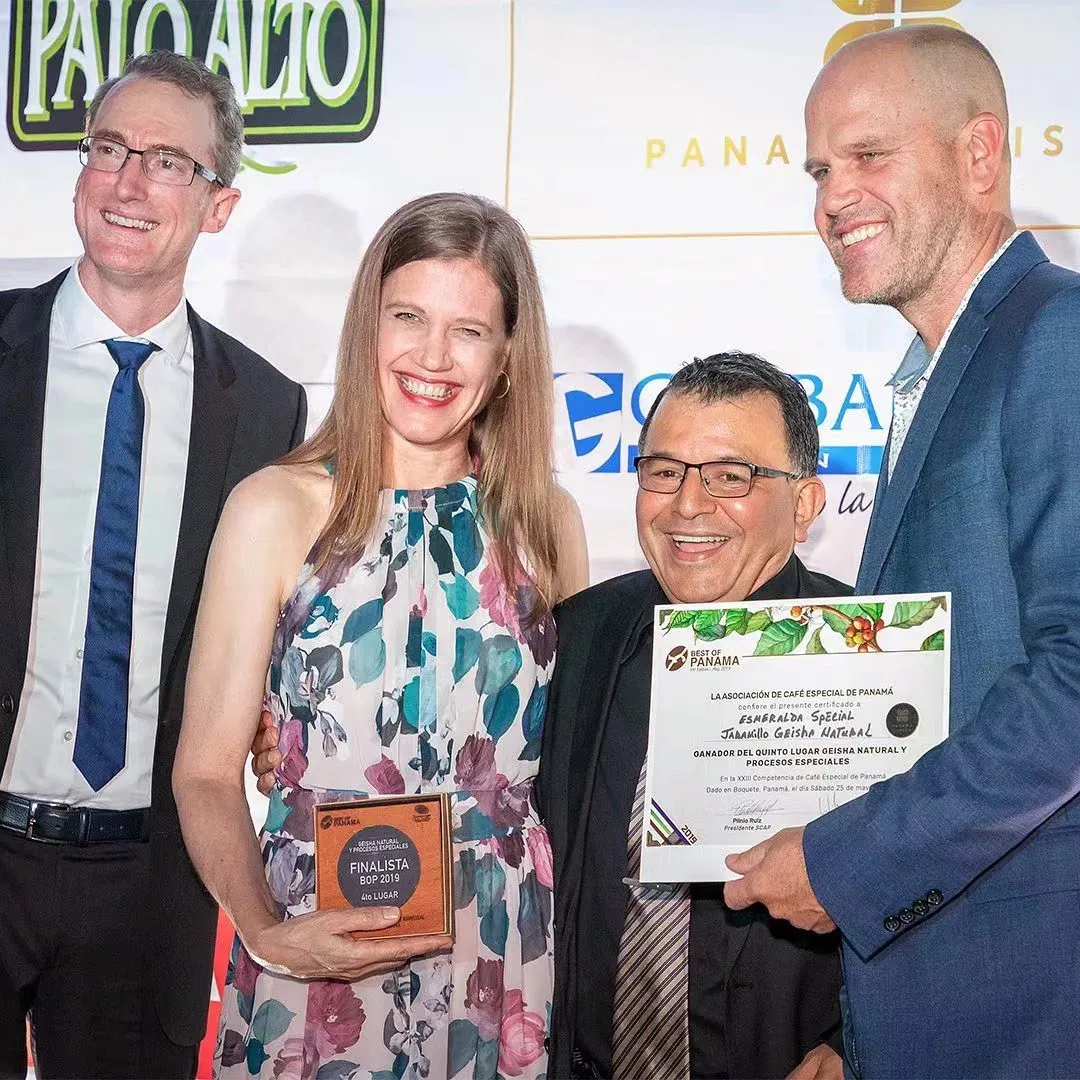
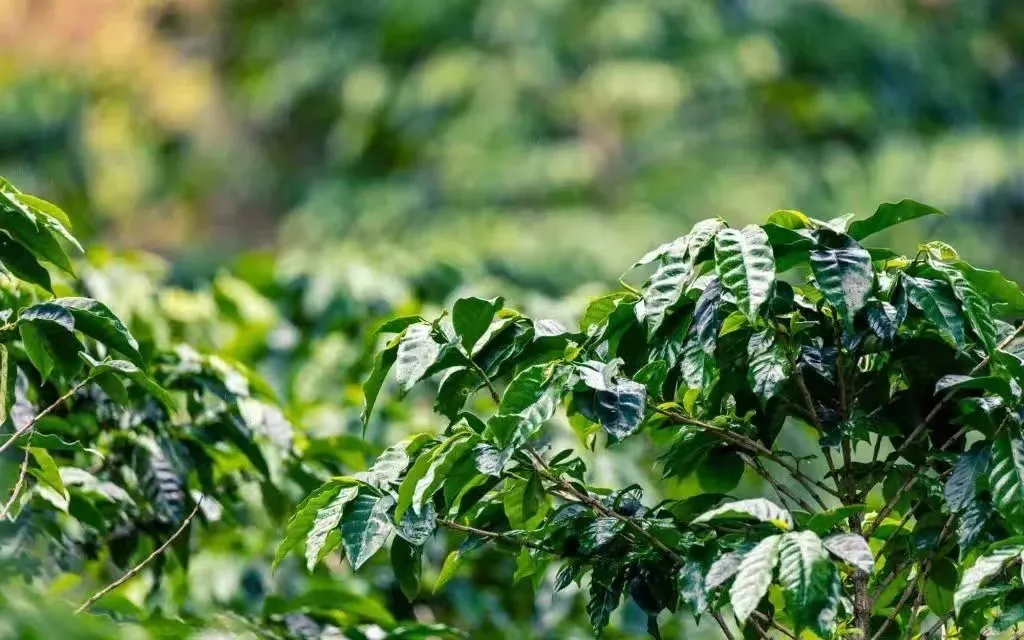
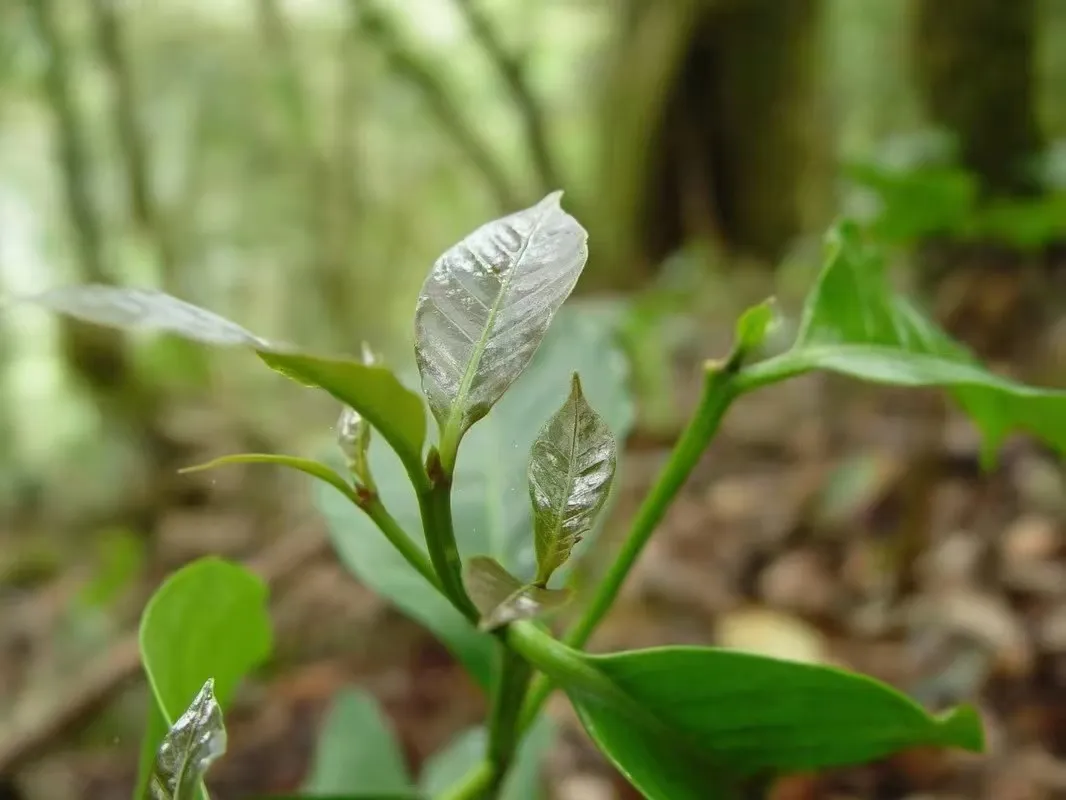
To answer this question, we must start with Geisha's origins. The Geisha variety was first discovered in the Geisha forest region of southwestern Ethiopia, collected in the 1930s and sent to research institutions, then spread to Kenya, Uganda, Tanzania, and other places, and finally took root in Panama. What truly made it famous was the Panama Hacienda La Esmeralda's stunning debut in the 2004 BOP competition. Since then, the question of Geisha's place of origin has often been discussed—is it Panama's pride, or Ethiopia's gift? From a botanical tracing perspective, Ethiopia is the native origin; from the perspective of specialty coffee commercialization, Panama is the stage that made it shine.
Front Street Coffee has always emphasized the distinction of production areas and lots in its Geisha selection, including classic washed and natural lots from Panama's Hacienda La Esmeralda and Elida Estate, as well as return works of Ethiopian native Geisha. For enthusiasts who want to experience different facets of Geisha, the multi-origin Geisha product line offered by Front Street happens to present this complete flavor spectrum from the East African highlands to Central American volcanoes.
So, what factors combine to stack up the high price? First, Geisha's yield is extremely limited. It is very picky about its growing environment, with suitable cultivation altitudes typically between 1600 and 2000 meters, and it requires specific microclimates and shade conditions. Even in Panama's Boquete production area, Geisha yields from different plots within the same estate vary greatly. Second, the costs of picking and post-processing are high. Determining the ripeness of Geisha cherries requires experienced workers to select plant by plant and cherry by cherry, and the slightest oversight during washed or natural processing may affect the final cupping performance. Furthermore, the boosting effect of the BOP auction mechanism cannot be ignored. Only a small number of micro-lots enter the auction each year, and with global buyers bidding, prices naturally rise, while auction prices in turn become the reference anchor for pricing across the entire market.
Of course, flavor performance is the foundation that supports all of this. Geisha typically presents complex aromas interwoven with citrus, jasmine, bergamot, honey, and tropical fruits, with bright yet delicate acidity and a long finish. This highly recognizable sensory experience allows it to easily stand out at the cupping table and also makes consumers willing to pay the premium accept it willingly.
Therefore, Geisha's expensiveness is not caused by a single reason, but by the combined effect of scarce yield, high cultivation costs, the auction mechanism, and unique flavor. It is both a genetic legacy of Ethiopia's forests and the crystallization of refined management by Panamanian estates. Understanding these things, when you pick up a cup of Geisha again, perhaps you will have a bit more respect for that floral fragrance and fruity acidity in the cup.
The above content is compiled by CoffeeHunters, a coffee news website.


