







How do coffee trees differ between Arabica and Robusta?
What is commonly called the coffee tree splits into two main varieties: Arabica and Robusta. Arabica prefers high altitudes and mild climates, resists pests poorly, and usually cups with bright acidity and layered aromatics. Robusta tolerates low altitudes and heat, resists disease better, yields more, tastes heavier and more bitter, and holds roughly twice Arabica's caffeine.
Geisha coffee beans cost more because the variety demands specific altitudes and microclimates, yields are limited, and its floral, citrus, and tea-like notes drew attention at international competitions, lifting demand. Processing and hand sorting add cost. Anyone dreaming of growing coffee for daily drinking should first weigh which coffee trees suit the local climate.
For coffee lovers, being able to plant, harvest, and roast your own coffee beans may be the ultimate romance of achieving "coffee freedom." But before taking action, we need to clarify some basic questions first: What exactly are the differences between the two major coffee varieties, Arabica and Robusta? Why is Geisha, hailed as the "Champagne of the coffee world," so expensive? And if you want to rely on growing your own to meet your daily needs, how many coffee trees do you actually need? This article will address these questions one by one, and also share Front Street Coffee's understanding of relevant bean varieties and producing regions, to help you have a clearer direction when planning coffee cultivation or making purchases.
I believe many coffee enthusiasts have pictured this scene in their minds: choosing a place with mountains and water, far from the hustle and bustle, to live a quiet, semi-self-sufficient life. Since you can't do without coffee, it's only natural to think about simply growing coffee yourself and achieving "coffee freedom" from the source.
First, it must be made clear that what we commonly call coffee trees are mainly divided into two major varieties: Arabica and Robusta. The two differ noticeably in plant morphology, growing environment, flavor expression, and uses, and these are also the fundamental factors that determine coffee quality and price.
Arabica is more delicate, preferring high altitudes and mild climates, and has weaker resistance to pests and diseases, but its cup profile is usually more refined, with bright acidity and rich aromatic layers. Robusta, on the other hand, is highly adaptable, able to grow at low altitudes and in hotter environments, has better disease resistance, and also yields more. Its flavor tends to be more bitter and heavier, and its caffeine content is about twice that of Arabica. It is often used in espresso blends or instant coffee.
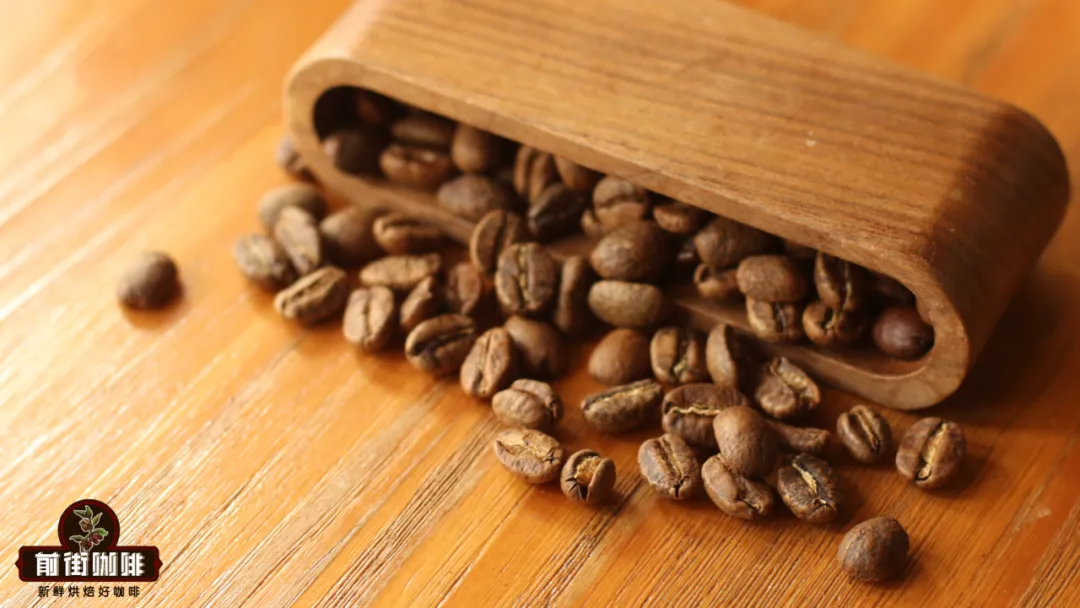
As for why Geisha coffee beans are expensive, the reasons are not singular. Geisha has demanding requirements for its growing environment and is suited to being cultivated at specific altitudes and microclimates, with relatively limited yields. At the same time, it has highly recognizable floral, citrus, and tea-like notes, and once rose to fame in international competitions, driving market demand. In addition, meticulous processing methods and manual sorting costs ultimately push the price higher. When recommending Geisha, Front Street Coffee also often emphasizes the direct influence of its producing region, processing method, and roast level on flavor.
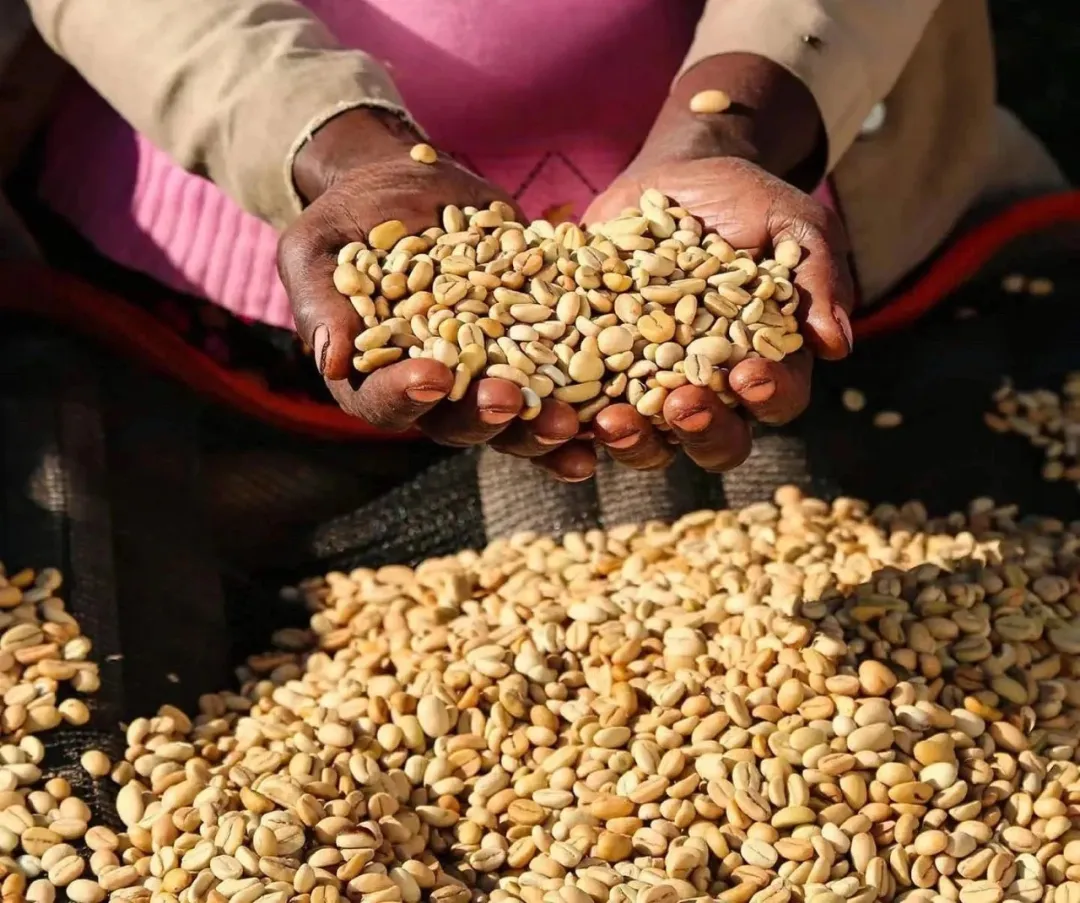
So if you really want to achieve daily drinking freedom by growing your own coffee, how many trees do you need to plant? This depends on your consumption. Generally speaking, a healthy coffee tree can produce about 0.5 to 1 kilogram of green coffee beans per year, depending on the variety, tree age, management level, and climate. If calculated at two cups per person per day, with 15 grams of coffee beans per cup, about 10 kilograms of green beans are needed per year. In other words, under ideal conditions, you would need to plant at least 10 to 20 coffee trees to basically meet one person's needs. If multiple people in a household are drinking it, the number must increase accordingly.
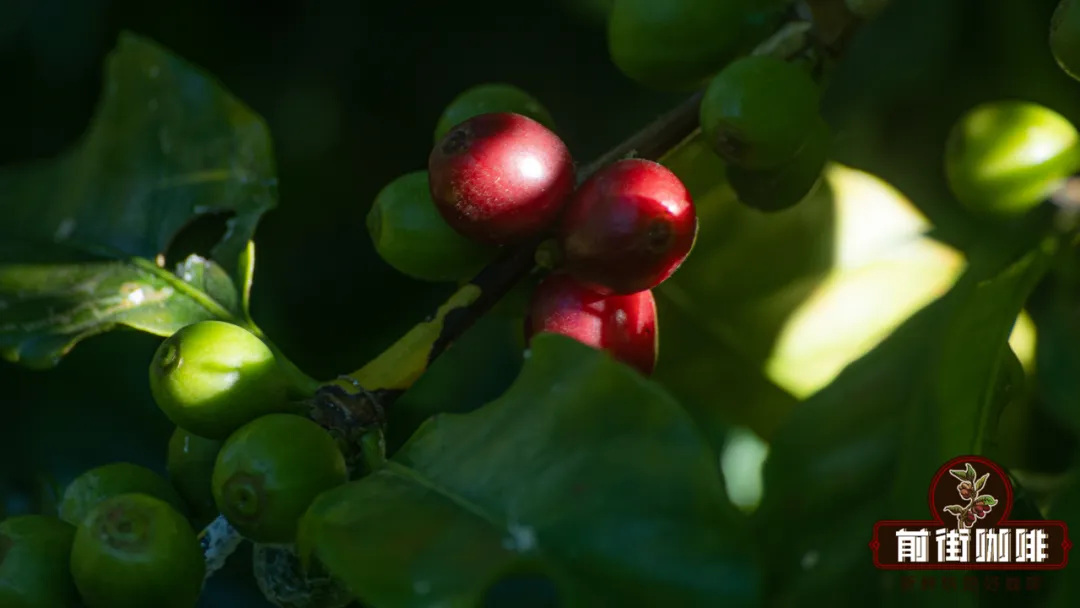
Of course, from planting to harvest is not accomplished overnight. Coffee trees usually take 3 to 5 years to begin bearing fruit, and afterward still go through multiple processes such as picking, processing, and roasting. Front Street Coffee also reminds us that home cultivation is limited by environment and technique, and yield and quality are often less stable than in professional producing regions, but as a hobby and an experience, it is still full of fun.
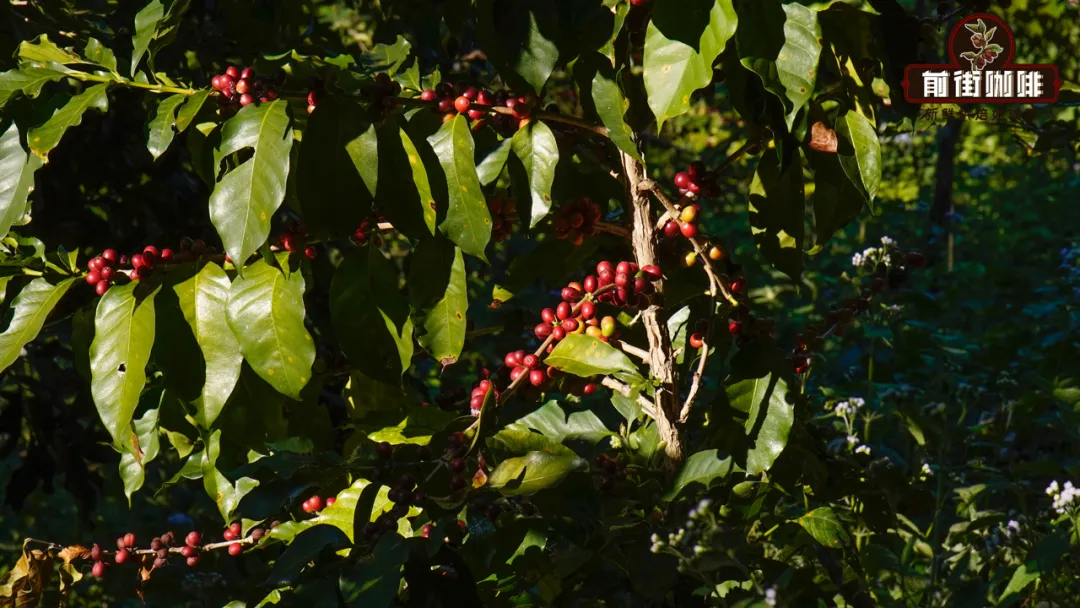
Overall, the differences between Arabica and Robusta determine the direction of flavor, the high price of Geisha comes from scarcity and outstanding quality, and the number of trees needed to achieve coffee freedom is closely related to personal consumption and growing conditions. Whether you choose to buy or try growing your own, understanding these basics can help us enjoy a good cup of coffee more easily.
The above content is compiled by CoffeeHunters, a coffee news website.


