







Is Bird of Paradise coffee a real Blue Mountain alternative?
Papua New Guinea's Bird of Paradise coffee uses the same Typica variety introduced from Jamaican Blue Mountain, is washed in the traditional style, and brews with a balanced profile of nuts, cocoa, and soft fruit acidity. That combination earned it the nickname Little Blue Mountain. The green bean comes from Sigri Estate at 1,600 to 1,800 meters, graded AA and given a medium roast.
Blue mountain coffee built its reputation on balanced flavor and full body, yet limited production keeps prices high, which pushes drinkers to look for similar cups at lower cost. In the roasted Bird of Paradise bean, hazelnut, toast, sugarcane, and caramel aromas appear, with light acidity and a clean, even finish that reads close to the Jamaican original.
Blue Mountain coffee enjoys a global reputation for its balanced, full-bodied flavor, but its high price keeps many enthusiasts at bay. Is there a substitute with a similar style and better value? Papua New Guinea's Bird of Paradise coffee may be the answer. This bean引入了 the same Typica variety as Jamaican Blue Mountain, uses traditional washed processing, and delivers a balanced flavor of nuts, cocoa, and soft fruit acidity when brewed, earning it the nickname "Little Blue Mountain." This Bird of Paradise coffee bean listed by Front Street Coffee comes from Sigri Estate, at an altitude of 1,600 to 1,800 meters, grade AA, with a medium roast offering aromas of hazelnut, toast, sugarcane, and caramel. This article will guide you through Papua New Guinea's coffee-growing background, the characteristics of the Typica variety, and the history and strength of Bird of Paradise Estate.
When it comes to coffee with a balanced flavor and excellent body, the name Blue Mountain is almost universally known. As early as the last century, Blue Mountain coffee had already swept the world, wearing the halo of "Coffee Emperor" and becoming the benchmark of classic specialty coffee in countless people's minds. However, although Blue Mountain coffee is high in quality, its production is extremely limited, so its price is naturally not affordable. So many people ask: is there a substitute with a similar flavor but easier to get?
Front Street Coffee: Papua New Guinea Bird of Paradise Coffee Beans
Country: Papua New Guinea
Origin: Sigri Bird of Paradise Estate
Altitude: 1,600-1,800m
Grade: AA
Variety: Typica
Processing Method: Washed
Flavor: Nuts, cocoa, soft citrus acidity, cream, caramel finish
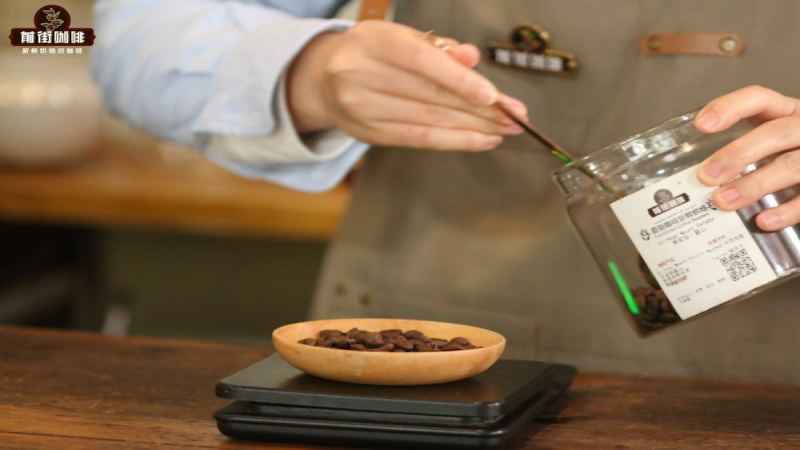
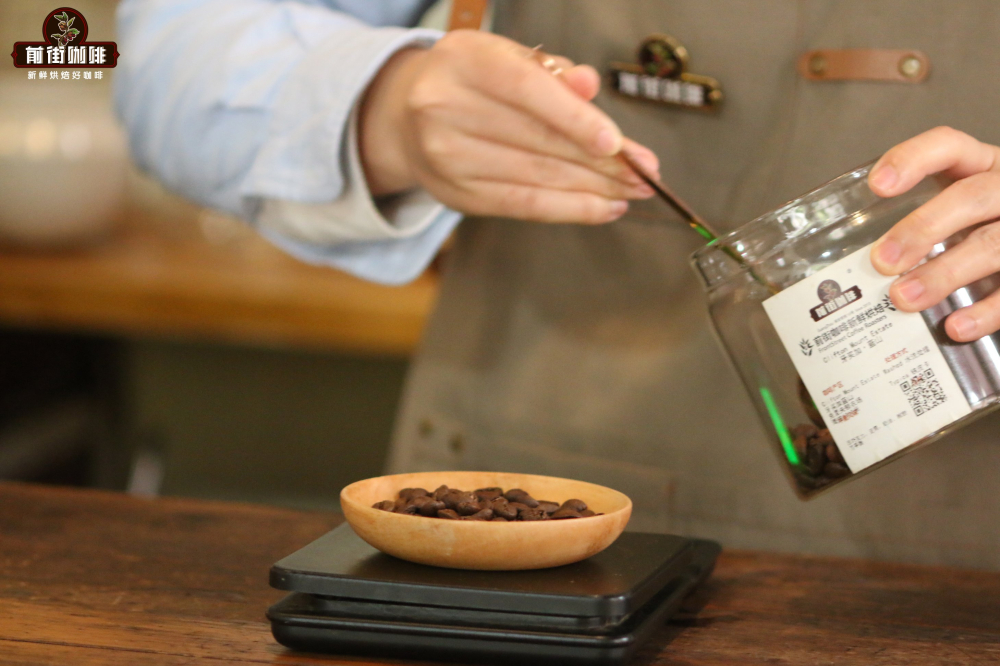
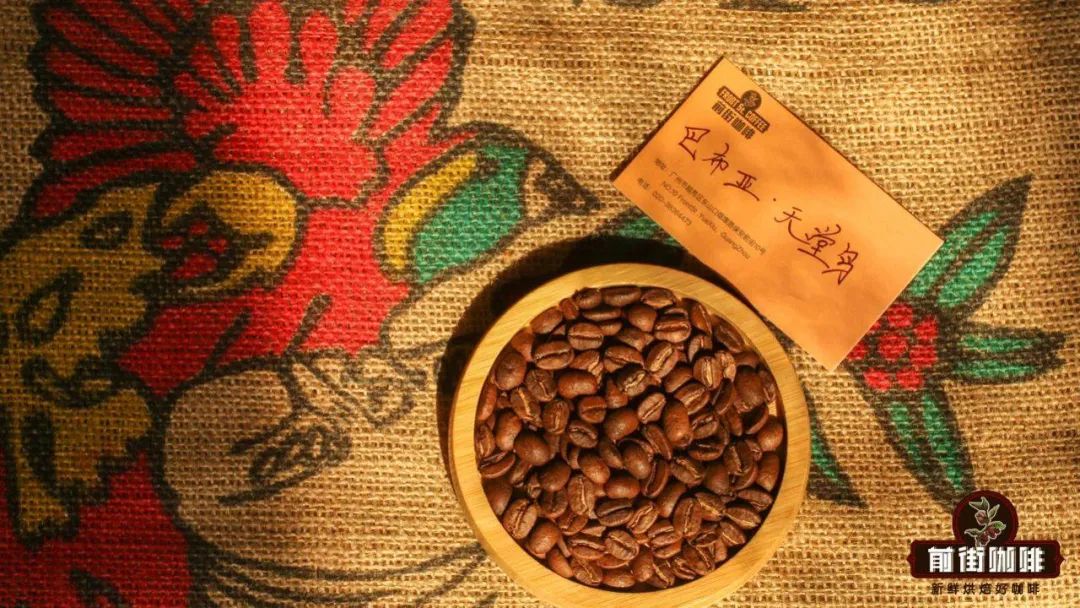
Front Street Coffee has listed a coffee bean hailed as "Little Blue Mountain," produced in Papua New Guinea, with a very lovely name—"Bird of Paradise." This bean uses the Typica variety introduced from Jamaican Blue Mountain, undergoes traditional washed processing, and is presented with a medium roast. After brewing, you can feel clear aromas of hazelnut, toast, sugarcane, and caramel, with soft and slight acidity, and an overall balanced and clean taste.
Papua New Guinea may be somewhat unfamiliar to many people; most may only know its English abbreviation "PNG." This country is located in Oceania and is an island nation composed of the eastern part of the island of New Guinea and more than 600 surrounding islands.
Papua New Guinea lies in the Pacific Ring of Fire, with extensive tropical rainforests and numerous volcanoes. Coffee is mainly grown in the central highlands, at altitudes between 1,200 and 2,500 meters. The country has a typical island climate; the inland highlands have an average temperature between 18 and 29°C, with distinct dry and rainy seasons throughout the year and an average annual rainfall of about 2,500 millimeters. To promote the commercial development of coffee, Jamaican Typica seeds were introduced locally in 1931. Because the environment and climate conditions of the two places are extremely similar, these seeds quickly adapted to the local terroir.
Typica coffee trees are tall, with bronze-colored leaves at the top; the coffee beans are relatively large and long, pointed and upturned at both ends, resembling eggs. Typica beans often carry citrus acidity and a sweet finish, and are praised by many as the representative of elegance and clarity. But Typica trees are about 5 meters (16.5 feet) tall, conical in shape, with slightly sloping branches, and the lateral branches form an angle of 50 to 70 degrees with the vertical main stem. The trunk is slender and the branches are weak; combined with their height and long-branch characteristics, ample spacing must be left when planting.
In addition, Typica has extremely poor disease resistance and struggles to withstand common diseases such as leaf rust and fruit浆 disease, and its yield is also quite limited. As a cash crop, it is difficult to profit from, so growers in many producing areas have abandoned it and switched to varieties with stronger disease resistance. To grow Typica coffee with outstanding flavor, more labor and technology must be invested, which is also why Jamaican Blue Mountain coffee is so precious.
Coffee from Papua New Guinea is mostly washed, so the Typica produced there is quite similar to Jamaican Blue Mountain, hence the name "Little Blue Mountain." Front Street Coffee once conducted a cupping comparison: Jamaican Blue Mountain has a fuller flavor, mainly with black chocolate and cookie aromas; washed Papua New Guinea leans toward an almond-like nutty note, accompanied by the fresh sweetness of sugarcane and bright grapefruit acidity.
To enrich the diversity of coffee cultivation, Papua New Guinea later introduced varieties such as Bourbon, Mundo Novo, and Caturra. The country's coffee is concentrated in four major central producing regions, mostly grown by smallholder farmers, with only a handful of large estates, among which Sigri Estate is the most well-known.
Sigri Estate is also called Bird of Paradise Estate domestically because its logo features a bird of paradise (the bird of paradise is also the national bird of Papua). The estate is located in the Wahgi Valley of the Western Highlands production region, with an average altitude of over 1,500 meters. Sigri Estate covers 128 hectares, and its history can be traced back to the 1950s. Its founder, Tom Cole, was a well-known hunter, and the estate was later acquired by Papua's largest company (WR Carpenter company-PNG).
The company owns 2,800 hectares of land in Papua New Guinea for growing tea and Arabica coffee, and is also equipped with 4 processing plants and 1 coffee mill. It is also the country's largest producer and exporter of coffee and tea, accounting for about 80% of national exports. Sigri Estate therefore has the most advanced technology and equipment locally. The company places great emphasis on environmental protection, refuses to use pesticides and insecticides to protect water sources and soil, and has adhered to high-standard cultivation and processing methods for many years, earning international recognition.
The above content is compiled by CoffeeHunters, a coffee news website.


