







How does geisha coffee gain its Panama terroir advantage?
Panama's geisha coffee stands out because of the country's distinctive growing conditions. Chiriquí Province, in western Panama, holds three main producing regions: Boquete, Volcan-Candela, and Renacimiento. Boquete and Volcan surround Volcán Baru, where cold air passing over the central mountain range converges above 6,500 meters, creating a cooler, rainy microclimate with volcanic soil that suits the variety. Other countries grow geisha too, but Panama's combination of microclimate, soil, and farm management is what keeps it prominent.
Hacienda La Esmeralda sorts geisha into grades such as Auction, Red Label, and Green Label based on altitude, plot, and cupping performance. That grading system lets buyers match a lot to a known level of care and quality rather than relying on the farm name alone. For anyone comparing labels, the distinctions come down to where the trees grow on each coffee farm and how the cup scores at harvest.
Geisha coffee is now extremely popular in the global specialty coffee scene, but why does Geisha produced in Panama always sit firmly at the top? Behind this are both unique microclimates and volcanic soil, as well as the meticulous management of a group of highly capable estate owners. Front Street will start with Panama's producing regions and coffee history, focusing on analyzing the terroir advantages of the Boquete region, and explaining in detail how Hacienda La Esmeralda divides Geisha into different grades such as Auction, Red Label, and Green Label according to altitude, plot, and cupping performance. Whether you are a beginner just getting to know Geisha or an enthusiast who wants to understand the differences between Red Label and Green Label in depth, this article can help you sort out the context.
Every time Front Street chats with customers about Geisha, the first name that pops into almost everyone's mind is Panama. Some friends even directly equate Panamanian coffee with Geisha as soon as Panama is mentioned. But in reality, Costa Rica, Colombia, Guatemala, and other places also grow Geisha, and among them there is no shortage of excellent-quality lots. So why is Panama's Geisha especially deeply rooted in people's minds? If you are also curious about this, then follow Front Street to explore further.
Panama is located in Central America, with Costa Rica and Colombia on its left and right sides respectively, both major coffee-producing countries. The country's mountain range runs from east to west. After cold air flows through the central mountain range, it converges in areas above 6,500 meters in altitude, creating a distinctive microclimate in the Boquete and Candela areas. The temperature here is pleasant and rainfall is abundant, which is very conducive to the growth of various crops.
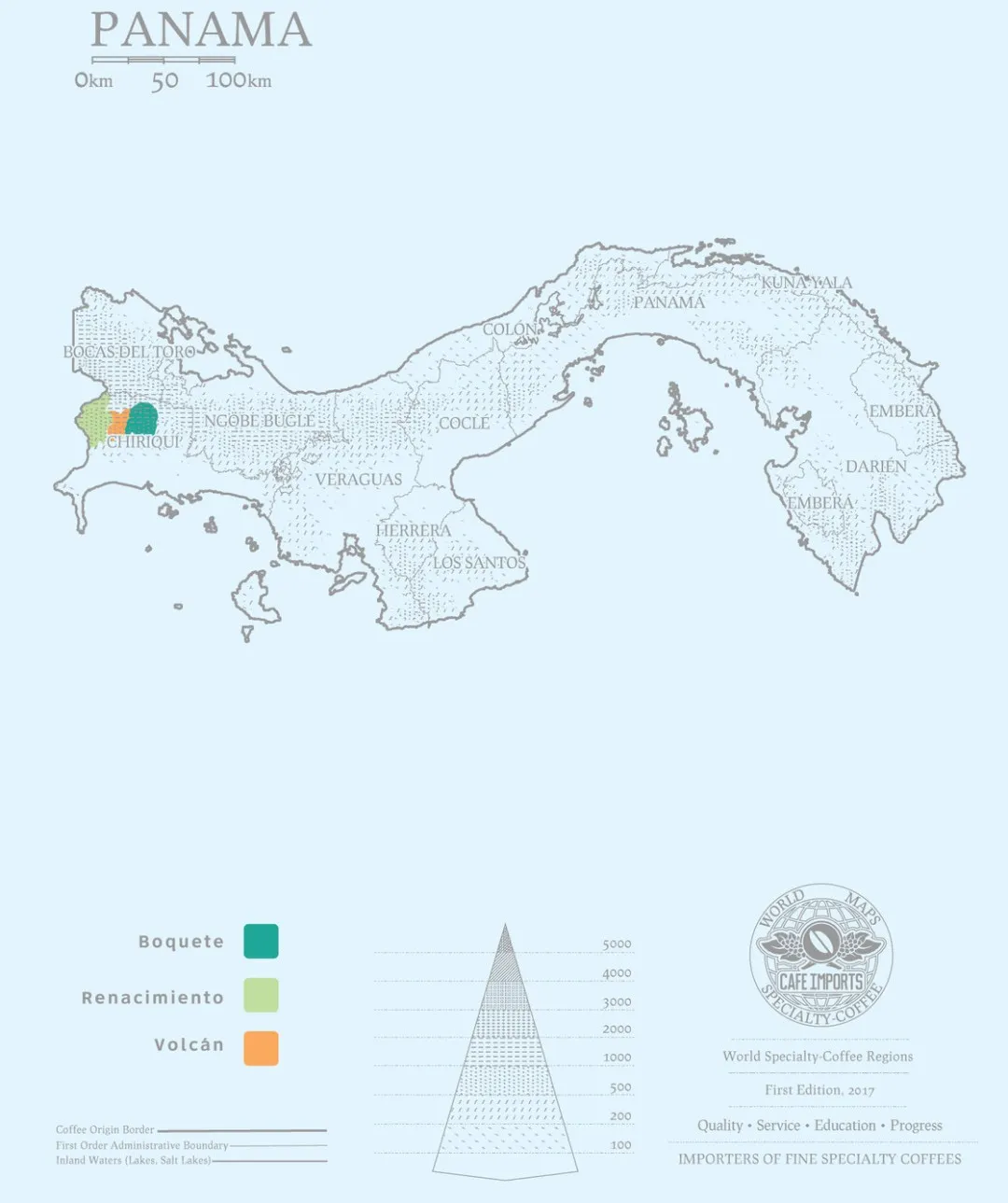
Panama has a total of 10 provinces and 5 Indigenous comarcas, and specialty coffee cultivation is mainly concentrated in Chiriquí Province in the west, which is further divided into three producing regions: Boquete, Volcan-Candela, and Renacimiento. Boquete and Volcan surround the famous Volcán Baru, also known as Baru Volcano, while Renacimiento is located in western Chiriquí Province, adjacent to the border with Costa Rica.
The development history of Panamanian coffee
After consulting materials, Front Street learned that coffee cultivation in Panama can be traced back to the 18th century. Around the 1780s, a retired British naval captain first introduced Typica into the Boquete Valley, and later brought the Bourbon variety as well, beginning cultivation in western Panama. The earliest estates were mostly located at lower altitudes, but in order to help coffee trees avoid pests and diseases, farm owners soon moved the plants to the Boquete Valley in the western highlands, and later gradually expanded to the Volcan area around Baru Volcano.
Before 1989, coffee prices in Panama were controlled by the International Coffee Agreement. For most of the 19th and 20th centuries, Panama also continued to export small amounts of green coffee beans to Western European countries. However, in 1989, the agreement broke down, and international green bean prices immediately plummeted, falling from $1.20 per pound all the way to $0.74.
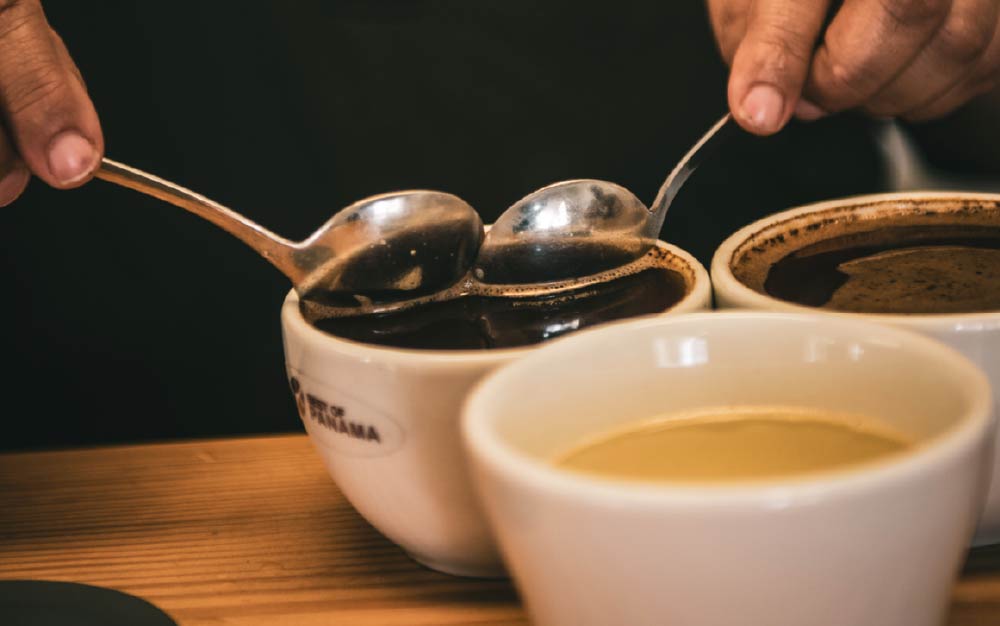
Entering the early 1990s, commercial coffee bean prices continued to decline, so Panama turned its attention to the then-emerging specialty coffee market. In 1996, seven coffee estate owners in the country jointly founded the Specialty Coffee Association of Panama, or SCAP, and held the first green bean competition BOP as well as an online green bean auction, aiming to unite small growers across the country to jointly promote high-quality Panamanian coffee.
With the establishment of the Specialty Coffee Association of Panama, and with the Geisha variety becoming famous in the industry through BOP, Panama's producing regions gradually gained recognition in the international coffee circle. In Front Street's view, Panama's coffee being able to enjoy such a good reputation today is not only due to its inherently ideal growing environment; the local highly capable coffee farmers also deserve great credit.
According to historical records, the Panama Canal was completed in the early 20th century. This shipping route connecting the Pacific Ocean, the Atlantic Ocean, and the Caribbean Sea not only promoted maritime trade, but also brought a large amount of agricultural knowledge from the United States and Europe. Many retirees who had worked in Europe and America when they were young chose to settle in Panama, where the climate is mild, the scenery beautiful, and the area far from major cities, and they purchased estates in Boquete, which also greatly promoted the development of the local coffee industry.
Panama's earliest coffee growers who operated farms were mostly Western immigrants. Many of them had once served as senior engineers on the Panama Canal project, and most of their descendants also had backgrounds in higher education. Therefore, compared with other coffee-producing countries, this group of estate operators possessed more solid scientific and theoretical knowledge, and coffee cultivation and management plans were also able to develop well.
Detailed explanation of Panama's producing regions
Friends who like Geisha all know that Geisha is most famous for its Panamanian origin, and the vast majority of specialty Geisha comes from the Boquete producing region. Boquete is located in northern Chiriquí. Its name comes from Boquete town, and it sits among the mountains of Panama's central mountain range. Within its territory is the renowned Volcán Baru, whose highest peak reaches 3,477 meters, and the Caldera River flows through the entire town of Boquete.
This place has a tropical climate and is influenced by both the Caribbean Sea and the Pacific Ocean. The moist air currents from the two sea areas merge after flowing through the central mountain range, forming a unique microclimate. Temperatures in the area range from 11°C to 27°C, neither too cold nor too hot, and the temperature difference between day and night is relatively large. The mountains in the Boquete producing region are often shrouded in clouds and mist, humid during the day and cool at night, and combined with the fertile soil brought by Baru Volcano, these are all favorable conditions for cultivating high-quality Geisha. In addition, the higher the altitude at which coffee trees are planted, the longer the fruit maturation period, the more nutrients accumulated, and the richer and more unique the flavor expression becomes. No wonder this place is called a "coffee promised land."
Thanks to the local unique terroir, the coffee cherries absorb abundant nutrients and transform them into elegant floral and fruity notes with layered and varied acidity. Front Street's Panama Hacienda La Esmeralda Geisha coffee and Elida Estate Geisha coffee both come from the Boquete producing region.
When it comes to Geisha, Hacienda La Esmeralda is known to everyone in the specialty coffee circle. In 2004, it won the Best of Panama coffee competition that year with Geisha, and repeatedly set new auction price records year after year, attracting industry attention ever since. Hacienda La Esmeralda not only made Geisha famous, but was also the first estate to strictly grade Geisha. The Geisha lots it produces each year draw the attention of the industry. After Geisha won the championship, the estate owners, the Peterson siblings, managed the Geisha coffee trees on the estate in a more systematic way according to altitude, area, and cupping performance.
At the end of the 20th century, the United States assisted Panama in building the canal. More and more Americans went to Panama to live and look for business opportunities. American elites like the owner of Hacienda La Esmeralda settled in Panama during that period. The predecessor of Hacienda La Esmeralda was Palmira Farm, purchased after retirement in 1964 by American banker Rudolph A. Peterson. It initially mainly operated a dairy business, and later his son resigned from his position as a doctor to help his father manage it. In 1987, the farm introduced Caturra and Catuai varieties and was officially named Hacienda La Esmeralda. In 1994, a washed-processing plant was established, and formal coffee production began.
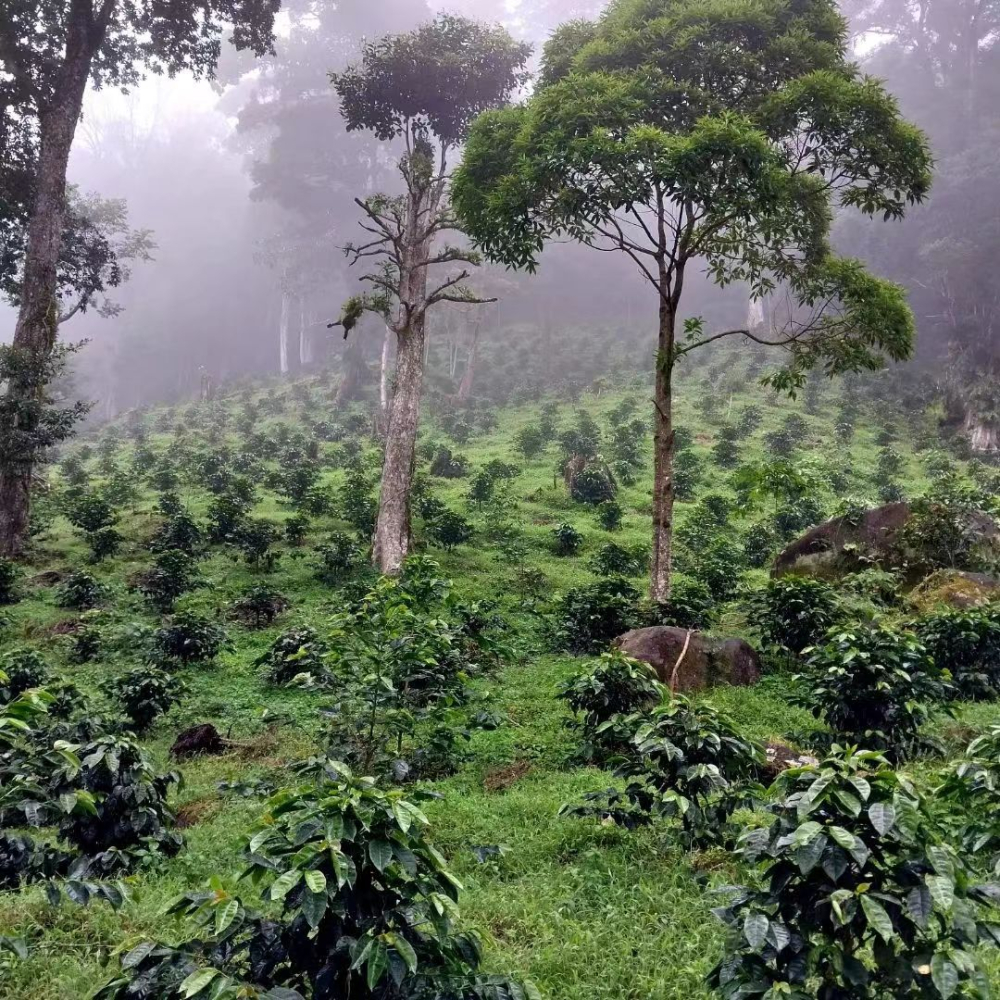
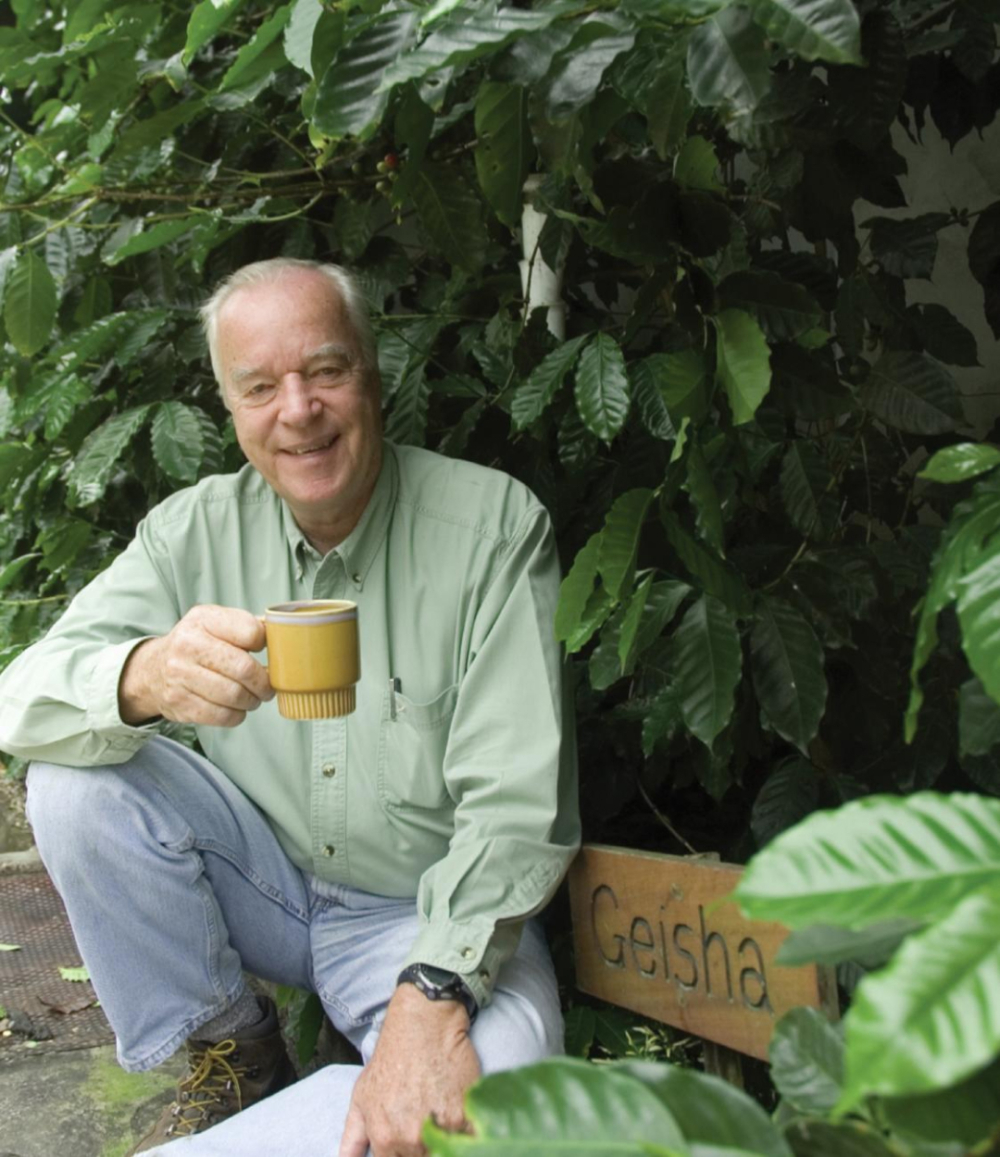
When third-generation estate owner Daniel joined management in 1997, specialty coffee was just beginning to rise. Daniel learned cupping and cupped the first harvest of Geisha in 2003, classifying Geisha coffee trees according to different altitudes. When the coffee was harvested again the following year, Daniel's family sent the Geisha that showed floral and fruity acidity in cupping to compete in that year's Best of Panama, and ultimately won the championship with excellent results.
At present, Hacienda La Esmeralda has a total of 4 farms growing coffee, among which 3 farms—Cañas Verdes, El Velo, and Jaramillo—all grow Geisha, and each farm is further divided into different small plots.
Hacienda La Esmeralda divides Geisha into three brands: Esmeralda Auction, Esmeralda Special, and Private Collection. In addition, the Caturra and Catuai varieties grown on the estate are classified under the Diamond Mountain brand.
Jaramillo is named after the Jaramillo mountain range east of Boquete, with annual rainfall of 4,000 ml, average daytime temperatures of 19–25°C, average nighttime temperatures of 11–15°C, and an overall humid and cold atmosphere. The entire Jaramillo area is subdivided into 6 Red Label plots: Mario, Noria, Reina, Bosque, Buenos Aires, and Caballeriza, which was added last year.

Canas Verdes Estate is usually transliterated in China as Cannas Weidisi, and in Spanish it can be translated as "green reeds" or "green fields." Half of Cañas Verdes was purchased together with Jaramillo in 1967. After Geisha became famous in 2004, the Peterson family began gradually acquiring surrounding small planting areas. Because the entire growing area is located on the eastern slope of Baru Volcano, the altitude range is quite large, distributed from 1,500 meters to 2,050 meters.
Cañas Verdes has annual rainfall of 3,500 ml, average daytime temperatures of 16–23°C, and average nighttime temperatures of 10–15°C. The highly complex terrain, volcanic soil, and pronounced day-night temperature difference give Geisha its richly aromatic character. At present, the Geisha-growing area in Cañas Verdes contains a total of 11 small plots: Lino, Coronado, Fundador, León, Montaña, Trapiche, Jacinta, Cabaña, Tumaco, as well as Nido and Colga.
El Velo is the newest estate purchased by Hacienda La Esmeralda in 2012, and it is also the plot with the highest average altitude within the estate, as well as the only area that has been carefully leveled. In addition to mainly growing Geisha, El Velo also grows more than 400 coffee varieties purchased from CATIE, including Laurina, Pacamara, Mocha, and SL28, for long-term development and exploration.
Compared with the other two plantations, El Velo's altitude extends upward from 1,650 meters to 1,900 meters, with an average annual rainfall of 4,000 ml, average daytime temperatures of 16–25°C, and average nighttime temperatures of 11–16°C. The entire area covers 50.25 hectares of coffee-growing land, of which 37.9 hectares are planted with Geisha, divided into 7 detailed plots: Guabo, Portón, Durazno, Mural, Fig, Buena Vista, and Aguila.
As for Palmira Farm, which has the lowest altitude, it mainly grows Catuai. The entire estate covers a planting area of about 30 hectares and was the first farm purchased by the Peterson family. It is not only the internal office area of Hacienda La Esmeralda, but also houses the processing plant that handles all green beans.
The two major grades of Hacienda La Esmeralda Geisha
Under the management of the Peterson siblings, Hacienda La Esmeralda's Geisha is divided into 4 major brands for sale in the global market according to cupping performance, harvest and processing time, processing method, variety, altitude, and plot area.
Esmeralda Special
Esmeralda Special, commonly known as Red Label, is the representative of Hacienda La Esmeralda's high-grade Geisha apart from the auction lots. The Geisha in this category is grown at altitudes above 1,600 meters, with cupping scores of no less than 91 points. Each micro-lot has detailed traceability information, including plot, altitude, latitude and longitude, tree age, harvest time, and processing method.
For example, the latest Hacienda La Esmeralda Red Label lot that Front Street obtained was selected from the Trapiche plot. The cherries were harvested on February 13 this year and underwent 25 days of slow sun-drying, bringing the coffee a rich aroma reminiscent of jasmine, cranberry, passion fruit, citrus, and cinnamon.
Private Collection
Private Collection, commonly known as Green Label, was once a Geisha lot that did not participate in the auction but was of excellent quality. Green Label is harvested from a blend of Geisha beans from different plots within the two main estates at altitudes of 1,600 to 1,800 meters. With its classic orange aroma and honeyed charm, it has become the first choice for many Geisha fans with limited budgets. Since 2022, Hacienda La Esmeralda has also begun to indicate which sub-estate this grade of Geisha comes from.
Although Green Label Geisha is not as high-grade as Red Label, it mainly showcases the iconic classic flavor of high-altitude Geisha. The Green Label Geisha that Front Street obtained uses a washed process, with cupping notes of fresher and more natural lemon, berries, pomelo, and Tieguanyin tea flavors.
The above content is compiled by CoffeeHunters, a coffee news website.


