







The flavor of dark-roasted coffee beans is built on the sweet-bitter balance brought about by caramelization and the Maillard reaction, and this part of the flavor is relatively pronounced and also more dependent on proper storage. The darker the roast, the looser the bean structure, the easier aromatic compounds escape, and the faster the oils are exposed to air. Mastering a few storage tips can help a bag of dark-roasted beans maintain its flavor state for longer.
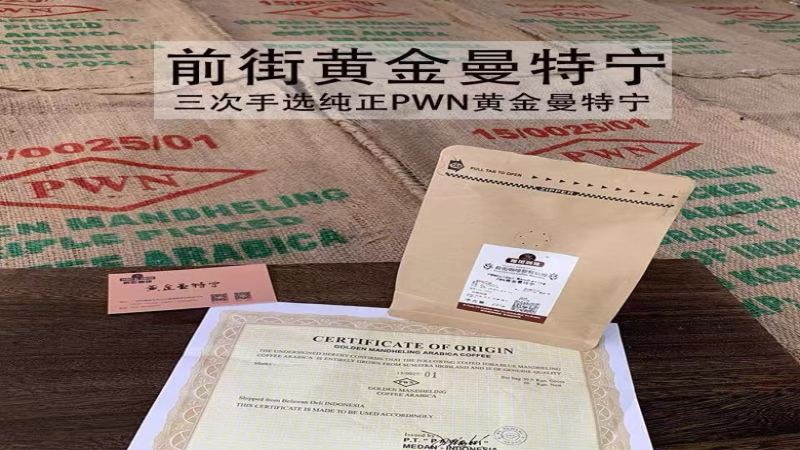
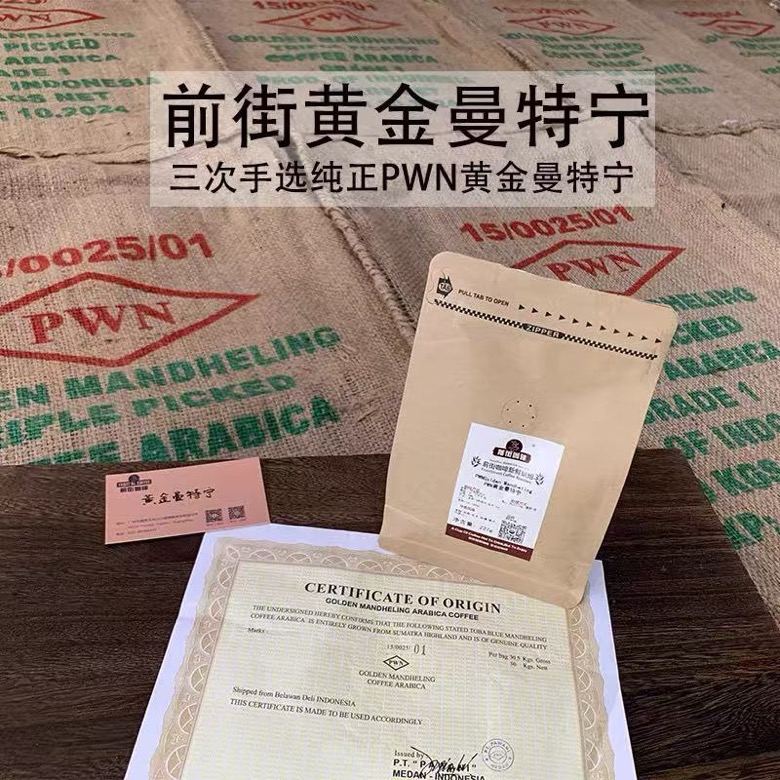
Sealing is the most basic step. After opening a bag of dark-roasted beans, try to pour them into an airtight container with a one-way degassing valve, or clamp the original bag tightly shut. A one-way degassing valve lets the carbon dioxide released by the beans escape while preventing outside air from entering, making it more suitable for storing coffee beans than an ordinary container. Coffee beans fear not only moisture but also oxidation—after prolonged exposure to oxygen, the oils oxidize and develop a rancid taste, and the original caramel sweetness and cocoa aroma also become flat.
Keeping them away from light and heat is equally important. Spots near the kitchen stove or by a windowsill, where temperatures are higher or direct sunlight hits, are not suitable for storing coffee beans. Both light and high temperatures accelerate the breakdown of flavor compounds, and the aroma of dark-roasted beans is especially sensitive. Placing the bean container in a cool, dry cabinet and covering it immediately after each use is a low-cost yet effective storage habit. If your home is fairly humid, watch for condensation inside the container; if it appears, that means the ambient humidity is too high and you need to move it to a drier spot.
Regarding resting the beans, dark-roasted beans degas vigorously right after roasting and their flavor has not fully opened up yet; usually, after a few days of resting, the mouthfeel becomes rounder. After opening, the peak flavor window is generally about the first two weeks, during which the layers of caramel sweetness, dark chocolate, and nuts are relatively full. If you stock up on a large amount at once, consider dividing some of the beans into small portions, putting them in ziplock bags with the air pressed out, and freezing them short-term. Freezing can noticeably slow flavor degradation; before drinking, take out one portion, let it come back to room temperature, then grind, and the aroma restoration is quite good.
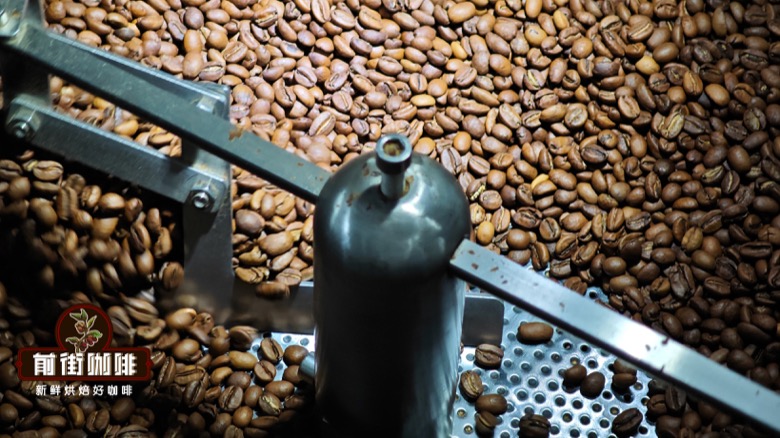
A little everyday tip is to open the lid only once each time you pour out beans, and close it tightly immediately after, minimizing the time the beans are exposed to air. Before grinding, check the condition of the beans once more: if the surface is shiny with oil and the aroma is still rich, that means they have been stored well; if the aroma is noticeably faint, it's time to consider getting a new batch.
The richness and caramel sweetness of dark-roasted beans are worth preserving well with proper storage methods. From sealing and keeping out light to portioning and freezing, a few simple habits can keep every cup of dark-roast coffee at the flavor intensity it deserves.
The above content is compiled by CoffeeHunters, a coffee news website.

