







Why Does Brew in the Bag Coffee Taste Thin or Under-Extracted?
Drip bag coffee often tastes flat because of under-extraction, which comes down to three things: the filter device, the coffee-to-water ratio, and the water temperature. Pre-ground coffee also loses aroma steadily from the moment it is ground, so the cup can taste thin even when the bag is fresh.
Three fixes help: use a slightly lower coffee-to-water ratio, extend the brewing time, and raise the water temperature. For tasting practice, Front Street's Classic Five Origins set spans Ethiopia, Kenya, Brazil, Panama, and Indonesia, from light to dark roast and washed to natural, and is meant to be tasted dark to light.
Drip bag coffee has become a daily choice for many coffee lovers thanks to its convenience, but plenty of people find that the cup they brew tastes flat and thin. So where exactly does the problem lie? This article will analyze, from the three angles of the filter device, the coffee-to-water ratio, and the water temperature, the common reasons behind under-extraction in drip bag coffee, and offer practical solutions for improvement. At the same time, Front Street Coffee's Classic Five Origins Drip Bag Coffee covers the distinctive flavors of well-known origins such as Ethiopia, Kenya, Brazil, Panama, and Indonesia, spanning everything from light to dark roasts and washed to natural processing, offering beginners a convenient path to systematically taste the world's coffee regions.
Pour-over coffee can certainly present a richer sense of layering, but for quite a few people, the whole process is too complicated and not realistic for daily use. So many would rather compromise slightly on flavor and turn to drip bag coffee, which is simple to use and saves time.
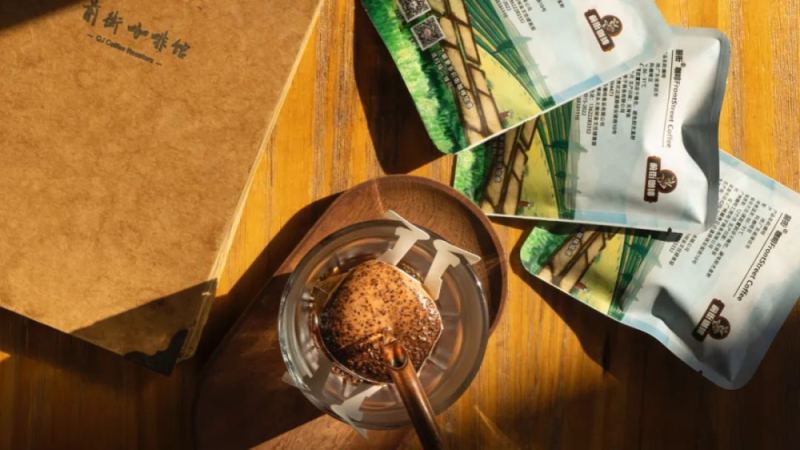
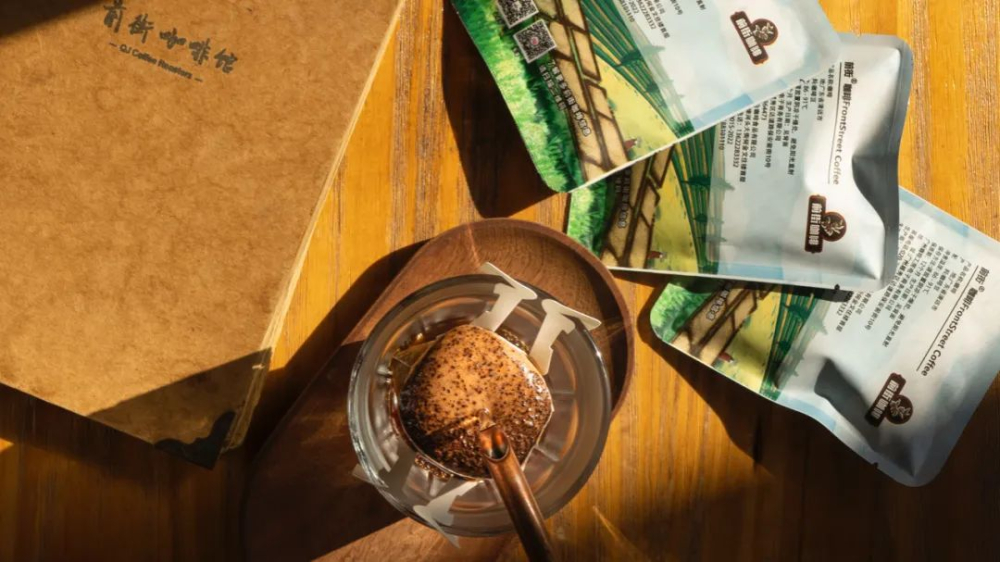
To let everyone appreciate the unique charm of the world's coffee regions and try a more diverse range of flavor types, Front Street Coffee has specially launched the Classic Five Origins Drip Bag Coffee. This product line covers countries that hold pivotal positions on the global coffee map, such as Ethiopia, Kenya, Brazil, Panama, and Indonesia, with roast levels running from light to dark and processing methods spanning washed and natural. Each one shows a distinct personality and is especially suited to those who are just getting into coffee as an introductory choice.
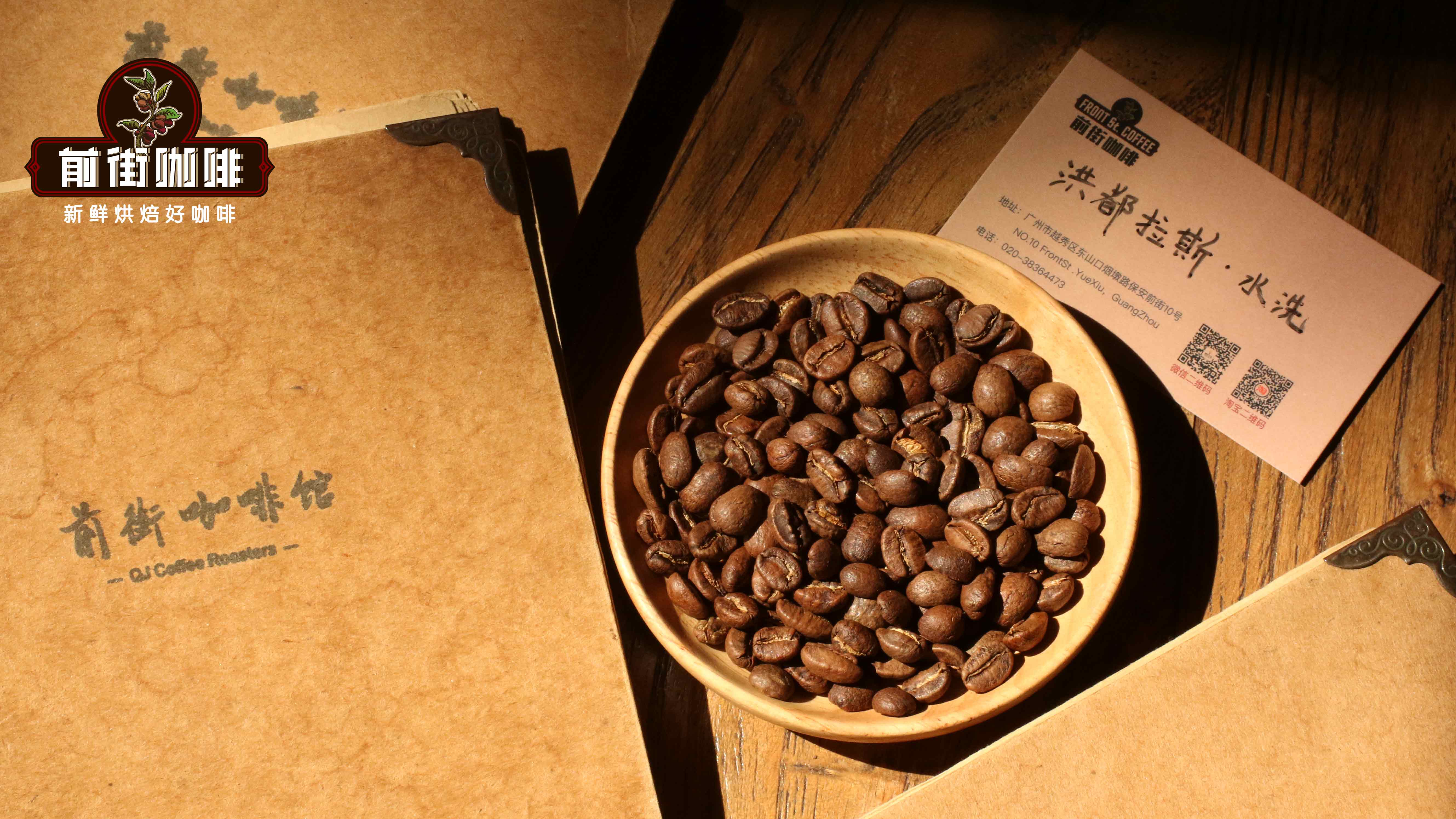
After receiving the Front Street Classic Five Origins Drip Bags, it is recommended to taste them one by one in order from dark to light roast: the medium-dark roasted Front Street Indonesia Mandheling carries herbal and rich nutty notes; the Front Street Honduras Washed Caturra shows a creamy and chocolatey sweetness; the Front Street Panama Butterfly exudes citrus, tea-like, and honey aromas; the Front Street Ethiopia Yirgacheffe Red Cherry has a citrus and fruity-wine fermentation character; and the Front Street Kenya Asaliya displays berry and cherry tomato flavor characteristics.
Because drip bag coffee uses pre-ground coffee powder, the aroma has been steadily dissipating from the moment it was ground. Even with the support of sealed packaging and nitrogen flushing to preserve freshness, there is no way to completely stop the process of flavor decline in ground coffee. As a result, the performance of drip bag brewing is indeed slightly inferior to freshly ground pour-over.
That said, some people report that the drip bag coffee they brew not only lacks standout flavor but also tastes very weak (note that flavor and taste are two different concepts), and the mouthfeel is especially thin. So they cannot help but wonder: can pre-grinding alone really have such a big impact on the taste of coffee?
That is not actually the case. Pre-grinding does accelerate the loss of flavor, but its effect on the taste of the coffee itself is not as serious as imagined. If the drip bag coffee you brew tastes weak and has a thin mouthfeel, then the brewing method must be the problem, causing the hot water to fail to effectively extract the flavor substances from the coffee. So what specific factors can cause this situation? Let Front Street Coffee explain slowly.
Filter Device
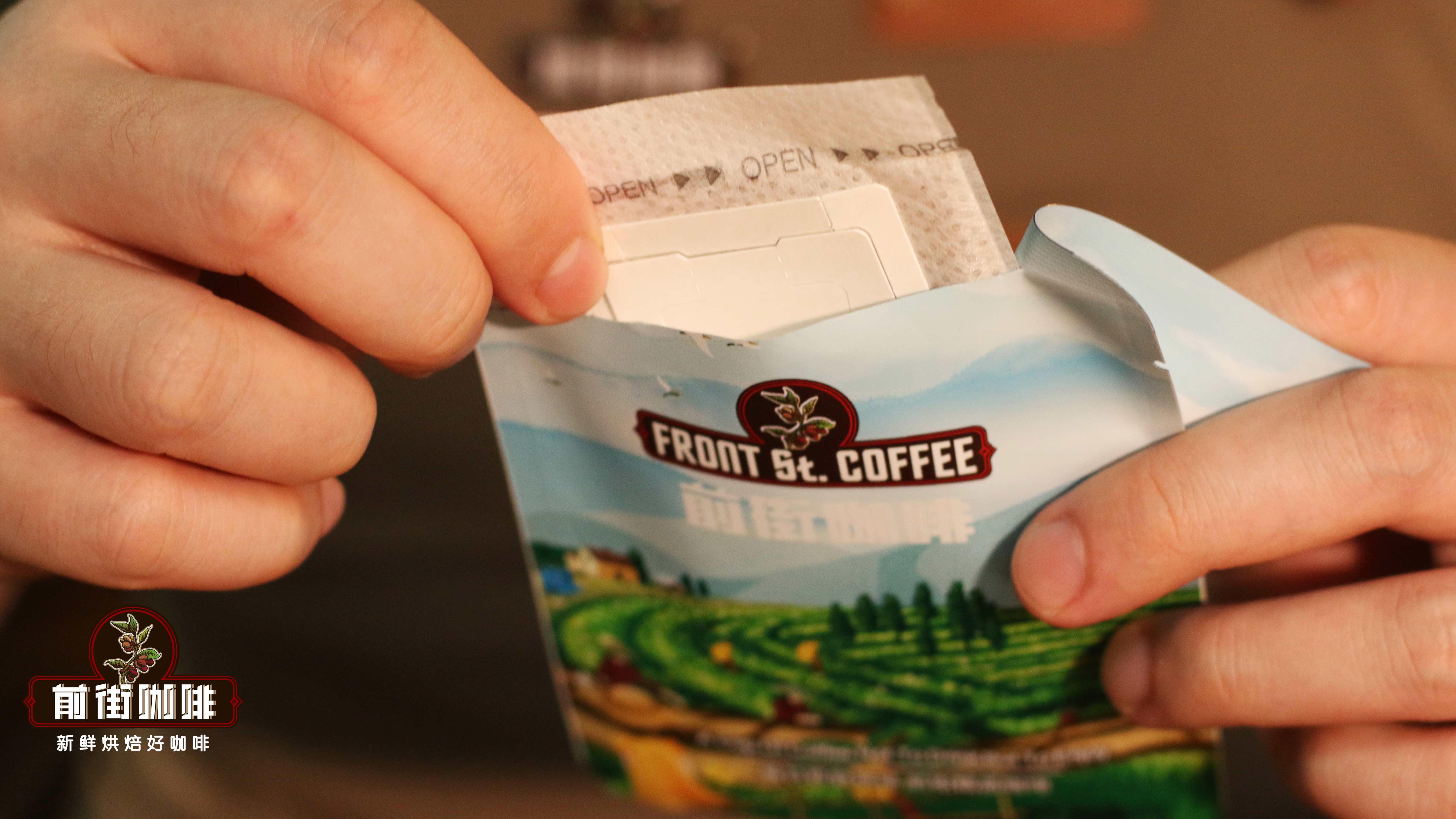
The filter bag of drip bag coffee is made of non-woven fabric, and the paper ears on both sides provide support, so there is no need to use an additional dripper. But precisely because it lacks the assistance of a cup wall and flow-guiding ribs, hot water can only seep downward naturally under gravity, and the seepage speed is directly affected by water pressure.
The larger the amount of water poured in at one time, the faster the water seeps through. When the amount of water poured in exceeds the speed of drainage at the bottom, the water level rises. And water has inertia, tending to flow first along the path of least resistance, so under the combined effect of a high water level and high water pressure, a large amount of hot water overflows directly through the holes above the coffee powder. This water does not fully contact the coffee powder, so naturally it cannot carry enough flavor substances. After flowing into the lower cup, it dilutes the original coffee liquid, ultimately leading to a weak taste and a lack of layering.
Coffee-to-Water Ratio Too Low
The amount of coffee powder in drip bag coffee is usually between 10 and 12 grams. Many people are used to brewing with a plan based on 15 grams of powder, while overlooking the difference in powder amount between the two.
Less powder means the required amount of water is correspondingly reduced. If you still pour water according to the 15-gram approach, the extraction time will be greatly shortened, extraction efficiency will drop accordingly, and the hot water will not be able to fully dissolve the flavor components in the coffee. In addition, for convenience, people generally do not use an electronic scale to measure the water amount when brewing drip bag coffee; how much to pour is all based on feeling, making it very easy to accidentally add too much hot water and further dilute the coffee's strength.
Water Temperature Not High Enough
Drip bag coffee is mostly consumed in the office, and the hot water often comes from a water dispenser. The water temperature directly determines the strength of extraction efficiency, and the dispensing temperature of a water dispenser usually cannot reach the ideal extraction range. With insufficient extraction capability, it naturally cannot fully release the substances in the coffee powder, and the coffee ends up tasting rather weak.
How to Improve These Situations?
The above problems actually all point to the same core issue: insufficient extraction efficiency, with neither the coffee's extraction yield nor its strength reaching the ideal state. The direction for improvement is therefore very clear. For example, when the water temperature is low, you can use a stirring method to increase the extraction yield, adding about ten stirs during the blooming and pouring stage;
If the problem is excessive bypass water caused by the filter device or an improper amount of poured water, so that hot water cannot fully extract the coffee, then reduce the amount of water poured each time and pour in small amounts multiple times, thereby extending the contact time between the hot water and the coffee powder. At the same time, be sure to perform blooming, so that the hot water poured afterward can more effectively extract the coffee flavor.
Finally, there is the issue of the amount of water poured. Not using an electronic scale is indeed convenient, but in order to obtain a suitable coffee strength, we can estimate the amount of water poured with the help of the cup's capacity.
For example, if a pack of drip bag coffee contains 10 grams of powder, then according to a 1:15 coffee-to-water ratio, about 150 milliliters of hot water needs to be poured. After deducting the water absorbed by the coffee powder (about twice the weight of the powder), the final coffee liquid in the cup is about 130 milliliters. Assuming the cup capacity is 400 milliliters, then when the coffee liquid reaches about one-third of the cup's height, you can remove the drip bag, and at that point the coffee's strength is just right.
The above content is compiled by CoffeeHunters, a coffee news website.


