








How to Use a Drip Coffee Machine to Read Espresso Flow
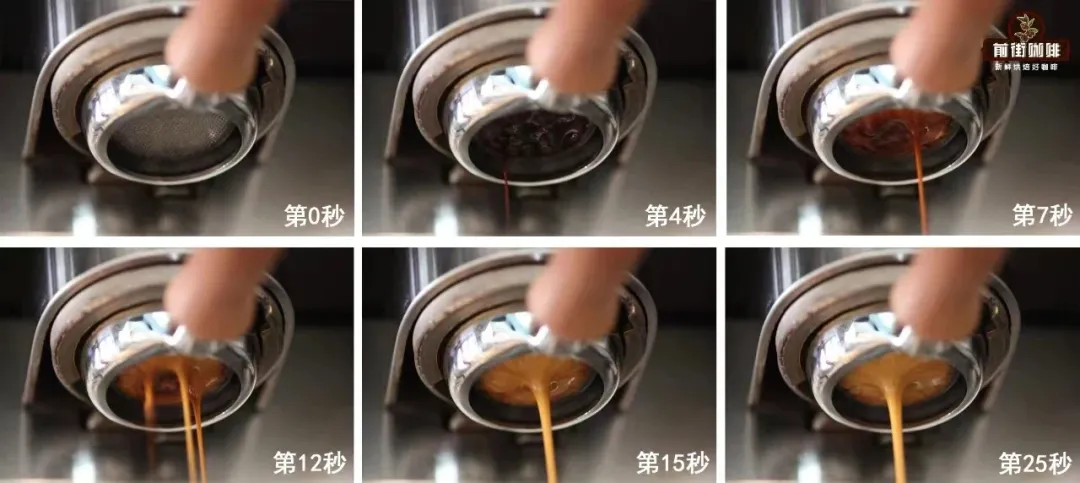
Espresso quality is decided by taste, but the flow during extraction reveals problems early. On a properly prepared machine, the first drop leaves the portafilter about five to six seconds after the pump starts, dark brown and thick, moving slowly. By around twelve seconds the flow speeds up and settles into a steady stream as the color lightens.
Before pulling a shot, confirm that water temperature and pressure have reached their normal range; starting while the machine is still building pressure yields a low extraction and sharp acidity. Watching the flow rate and liquid column helps identify delayed starts or erratic flow. Daily observation of the flow, alongside tasting, lets operators catch substandard shots before they reach the cup.
The quality of espresso must ultimately be judged by tasting, but visual signals during extraction can also expose many problems in advance. By learning to observe the machine's operating state and the flow of coffee liquid, you can filter out a considerable number of substandard shots before they even hit your lips. This article starts with pre-extraction equipment checks, then uses the actual flow process as a thread to explain one by one the normal extraction time points, changes in color and flow rate, as well as the causes and countermeasures for abnormal situations such as delayed flow and erratic flow rate, helping you pinpoint problems faster in daily operation.

Whether an espresso tastes good or not is ultimately, of course, decided by the taste buds. But in reality, in many cases, we can completely catch some abnormal signals in advance through visual observation. Once these abnormalities appear, they will directly interfere with the flavor direction of the final product. In other words, as long as you master the knack of observation, the number of times you drink bad espresso can be significantly reduced. Let's sort out below which problems can be directly seen by us.
Situations easily overlooked before extraction
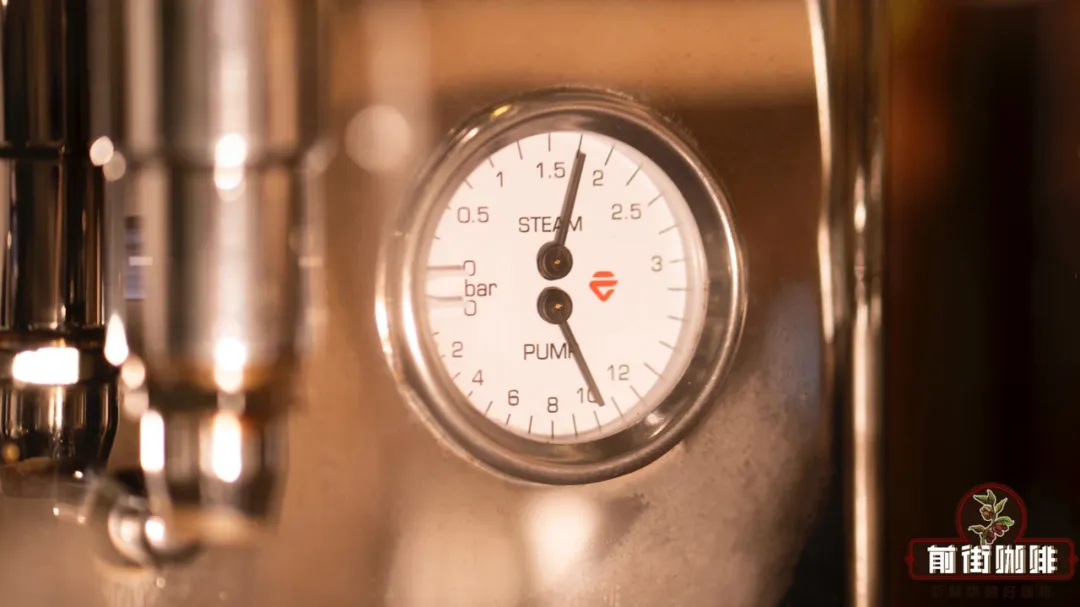
Before formally extracting espresso, there is one preparation step that cannot be skipped: confirm whether the coffee machine's water temperature and pressure values have reached the normal range. Many friends are used to hurriedly starting to adjust extraction parameters every morning after turning on the machine, before it has fully built pressure. This practice can easily lead to a low extraction yield because the temperature or pressure is not up to standard, and the final taste will be a sharp acidity.
The release of coffee liquid during extraction
During espresso extraction, the way the coffee liquid flows out and the shape of the liquid column can serve as important evidence for judging whether this shot has problems.
Take the espresso extracted by Front Street Coffee as an example. Under normal conditions, after pressing the extraction button, the first drop of coffee liquid is pressed out only after about 5 to 6 seconds. At this time, the liquid is dark brown, viscous in texture, and the flow rate is very slow. Around 12 seconds, the flow rate begins to increase and gradually enters a stable stage. The color of the espresso turns brownish yellow, and the surface looks as delicate as cream. From about 20 seconds, the color of the flowing coffee liquid begins to lighten and appears golden yellow. Although the flow rate is stable, the viscous feeling has clearly decreased. As time continues to pass, the color will become lighter and lighter. When the liquid turns pale yellow, it means the extractable substances are nearing the end. At this point, extraction should be stopped to avoid bringing out negative flavor substances.
However, if the espresso flow process does not advance step by step according to the above layers, but instead shows the following situations, then some parameters or operating actions need to be adjusted.
1. Delayed flow time:
Without pre-infusion, if the first drop of espresso flows out later than 10 seconds, the reason is usually that the grind is too fine, the puck resistance is too great, and hot water cannot penetrate within the normal time. This situation will cause the actual extraction time to deviate seriously from expectations, and the taste will naturally go off course. In this case, you can directly terminate the extraction, adjust the grind coarser, and test again. (The same applies if the flow rate is too fast; you can adjust the grind finer or increase the dose.)
2. Unstable flow rate:
Another situation is that the flow rate alternates between fast and slow, spraying occurs, and sometimes it even falls in the posture of a "waterspout." This is mostly because some details in the distribution step were not done properly, causing channeling during extraction. Faced with this kind of problem, you need to go back and check the distribution details, such as making the coffee bed evenly distributed and maintaining consistent force when tamping, and so on.
The above content is compiled by CoffeeHunters, a coffee news website.


