







How Should You Brew Freshly Roasted Coffee Beans?
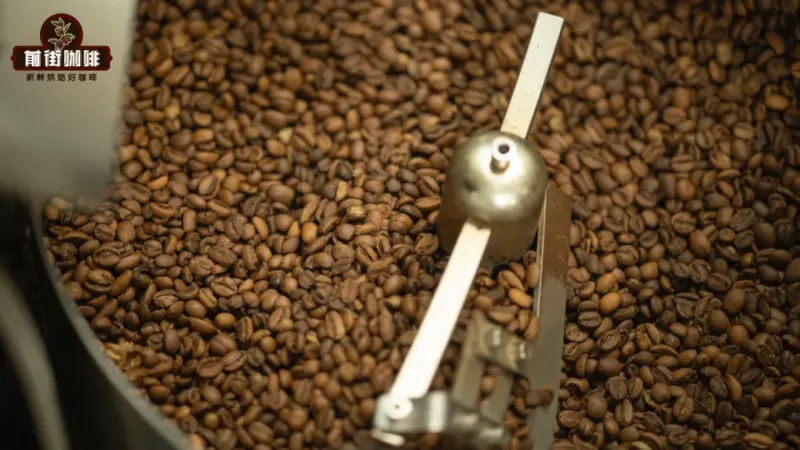
Freshly roasted coffee beans hold a large reserve of carbon dioxide, and that gas blocks hot water from reaching the core of the grounds, so aromatic compounds stay locked in. The practical fix in pour-over is to extend the bloom beyond the usual thirty seconds, adding five to ten seconds depending on roast level — the darker the roast, the longer the wait needed.
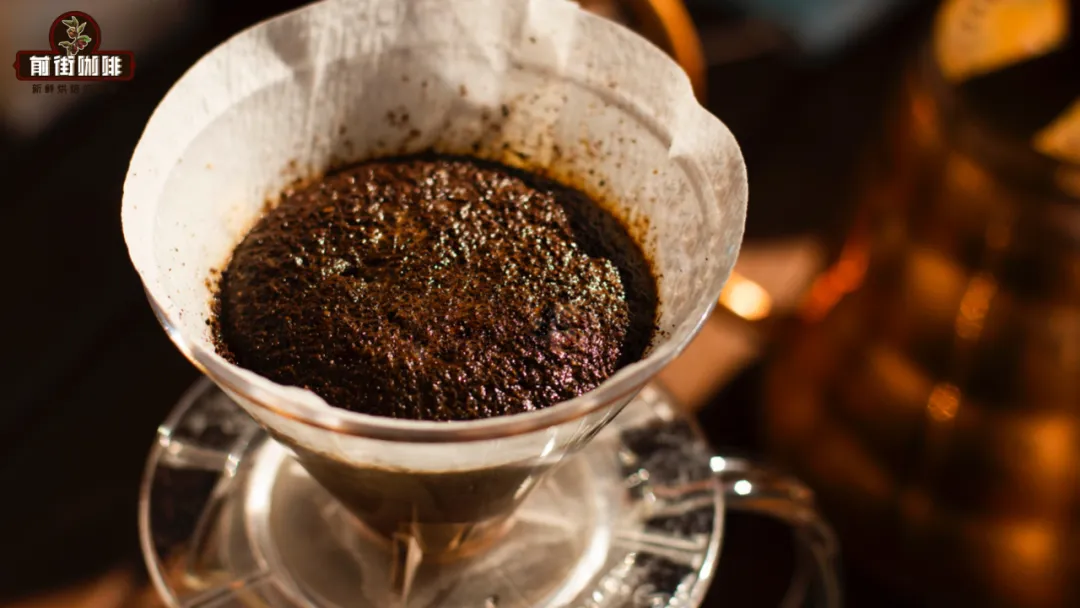
Extending the bloom only releases part of the gas, and remaining carbon dioxide keeps interfering with extraction, so raising extraction efficiency also helps. Using a regular light roast approach as the example: 15 grams of grounds, a 1:15 ratio, 92°C water, grind size 10 on the EK43 and a V60 dripper. Beans past their flavor window need the opposite adjustments, and over-extraction is the risk to watch. When to grind coffee beans matters as much as these settings.
The freshness of coffee beans has a significant impact on extraction. Freshly roasted beans are rich in carbon dioxide internally, and these gases interfere with the combination of hot water and flavor compounds; whereas beans past their optimal flavor period face a different set of brewing logic. This article focuses on pour-over adjustment methods under these two extreme states, with emphasis on how to respond to freshly roasted beans with vigorous degassing by extending the bloom and increasing extraction parameters, and also analyzes the reasons behind why pour-over is prone to over-extraction. At the same time, using Front Street Coffee's regular light roast approach as an example, specific parameter adjustment suggestions are provided to help coffee enthusiasts achieve ideal results in the cup under different bean conditions.
How should freshly roasted coffee beans be brewed?
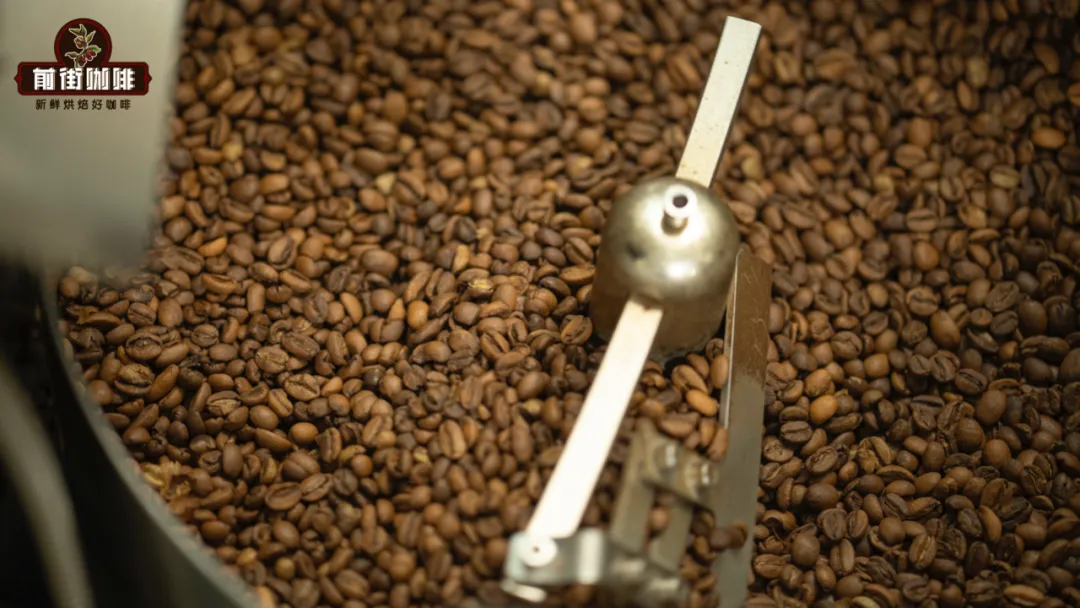
After roasting, beans accumulate a large amount of carbon dioxide internally. These gases form a barrier that prevents hot water from penetrating deep into the bean's core, making it difficult for aromatic compounds to be released smoothly. For this reason, we usually rely on the bloom phase to help with degassing. However, when beans are in an extremely fresh state, the carbon dioxide reserves are simply too high, and thirty seconds is far from enough to let them fully escape. In this situation, try extending the bloom time to give the gases more opportunity to be released. Under normal operation, the bloom is thirty seconds; if brewing fresh beans, you can add five to ten seconds on top of that, with the specific increase depending on the roast level — the darker the roast, the longer the time needed.
Additionally, we can also approach this from the angle of improving extraction efficiency. After all, the gases that can be released by extending the bloom are ultimately limited, and the carbon dioxide remaining inside the beans will continue to hinder hot water extraction. Therefore, improving extraction efficiency can likewise produce a noticeable benefit for the final result.
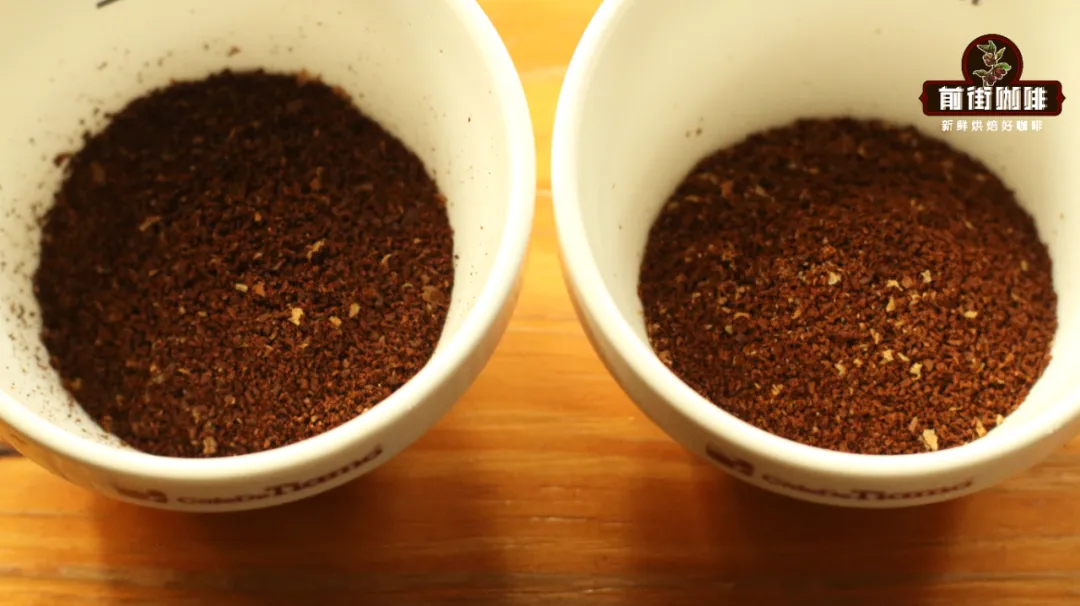
Taking Front Street Coffee's usual light roast extraction approach as an example: 15 grams of grounds, a coffee-to-water ratio of 1:15, water temperature of 92°C, grind size set to 10 on the ek43, and a V60 dripper. For light roast beans, the extraction parameters that can be increased include: raising the water temperature by 1~2°C; adjusting the grind one step finer; or using changes in water flow to extend the total extraction time, which is also an effective method.
(Just choose one of the above adjustments!)

The above content is compiled by CoffeeHunters, a coffee news website.


