







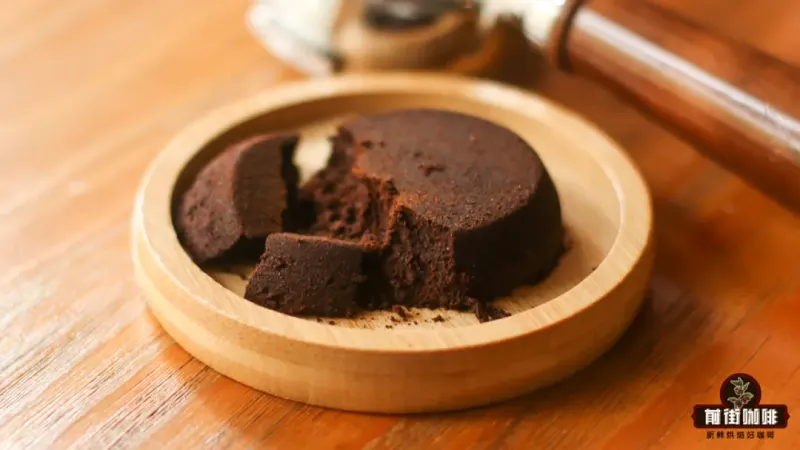
What Is an Espresso Coffee Puck Telling You About Channeling?
Channeling is the uneven flow of water through an espresso puck, and it produces uneven extraction that shows up in the cup's flavor. Tamping and distribution are often confused, yet they serve different purposes: distribution levels and settles the grounds, while tamping compresses them into a level bed. Both steps work together to reduce channeling.
A useful check is to knock the puck out of the portafilter after the shot. A complete, firm puck suggests water moved evenly through the bed; a broken or cratered one points to weak spots. Beginners and experienced home baristas can use this simple observation to refine their coffee making skills, adjusting grind, distribution and tamp pressure until extraction looks consistent.
When making espresso, channeling is a common problem encountered by many coffee enthusiasts. It leads to uneven extraction and affects the coffee's flavor. Tamping and distribution, as two key steps, are often confused with each other. From the perspective of Front Street, this article provides a detailed analysis of the causes of channeling and how to avoid it, and clarifies the essential differences between tamping and distribution in terms of purpose and technique. At the same time, by observing the integrity of the puck after extraction, it helps you judge whether the extraction is ideal. Whether you are a beginner just starting out or an enthusiast hoping to refine your skills, you can gain practical advice from this.
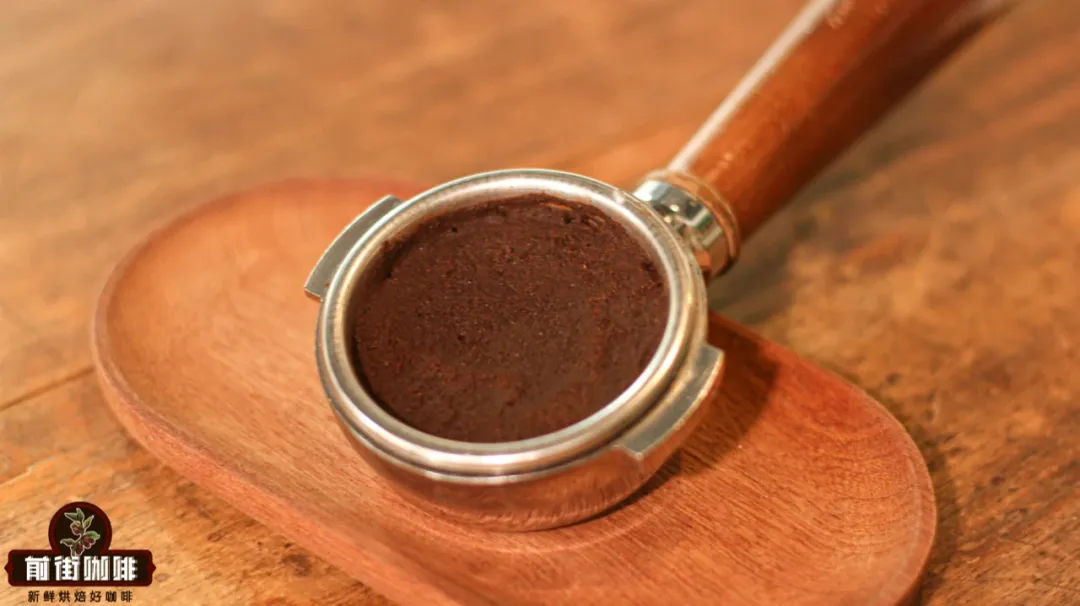
Front Street has always felt that when the espresso extraction is complete and you knock the puck out with the portafilter, that moment is incredibly satisfying~ Just a gentle tap! A complete puck appears before your eyes.
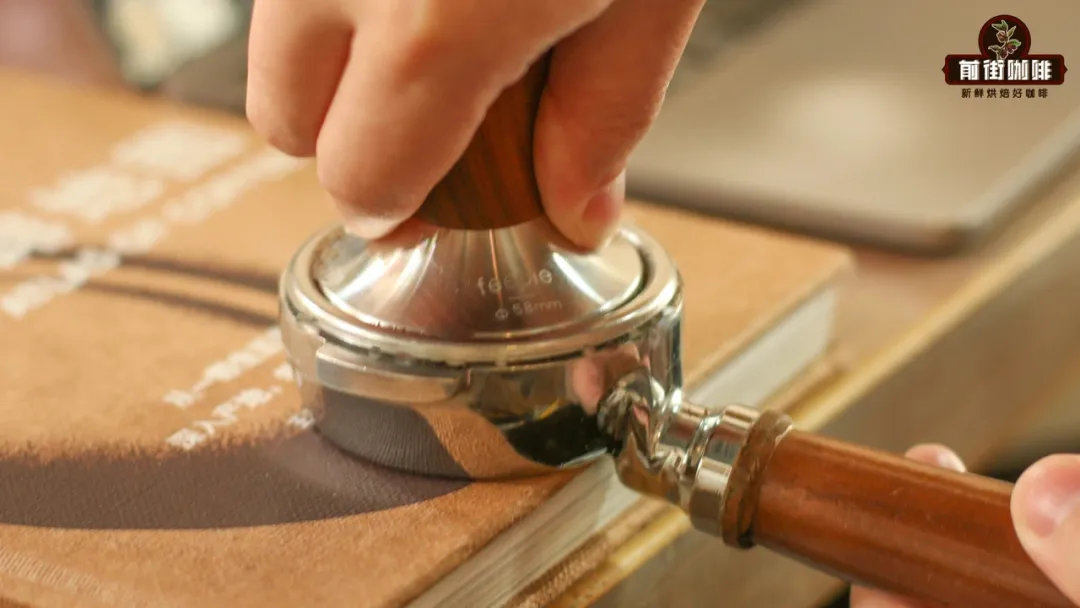
However, many friends cannot knock out an ideal, complete puck. For example, the puck they knock out looks like this:




The above content is compiled by CoffeeHunters, a coffee news website.


