







What Makes Kilimanjaro Coffee From Tanzania Distinct?
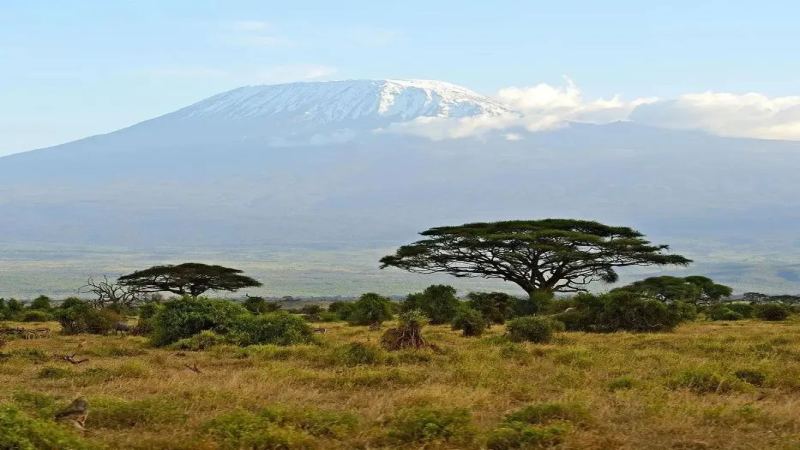
Kilimanjaro coffee comes from the slopes of Mount Kilimanjaro in northeastern Tanzania, a dormant volcano whose Kibo Peak reaches 5,895 meters. That altitude, combined with a tropical mountain climate and abundant rivers and lakes, gives Tanzanian beans a rich body, moderate acidity and a strong aroma. Tanzania is counted among Africa's three coffee giants, alongside Ethiopia and Kenya.
Coffee here grows mainly in the Kilimanjaro Mountains and the country's southern regions, with Arabica varieties such as the old Typica type playing a central role. The area's low rainfall, under 1,000 mm a year across roughly 80 percent of the country, is offset by water resources and fertile volcanic soil that support the crop.
Tanzania is a major coffee-producing country in Africa, and together with Ethiopia and Kenya, it is known as one of Africa's three coffee giants. Its coffee is even praised by Europeans as the "coffee gentleman." This article will guide you through how Tanzania's geography and climate create the rich body of its coffee, with a focus on analyzing the most renowned Kilimanjaro region, and introduce the history of the ancient Typica variety. Finally, we will also present the Tanzania Kilimanjaro washed beans launched by Front Street Coffee, covering everything from region, altitude, variety, brewing parameters, and flavor description, making it suitable for coffee enthusiasts to gain an in-depth understanding of the unique charm of this African specialty bean.
There are quite a few countries on the African continent that produce coffee, with Ethiopia, Kenya, Rwanda, and Tanzania being well-known examples. Tanzania ranks among Africa's three coffee giants, and Europeans once gave it the reputation of the "coffee gentleman."
Tanzanian Coffee
Tanzania is located in East Africa, south of the equator, bordering eight countries including Kenya, Uganda, Burundi, and Rwanda, and facing the Indian Ocean to the east. The country's terrain is high in the northwest and low in the southeast, generally forming a stepped distribution. The eastern coast belongs to lowlands, while the western inland plateau occupies more than half of the total inland area. The East African Rift Valley splits into eastern and western branches from Lake Malawi, running north to south. In the northeast, the Kibo Peak of Mount Kilimanjaro stands at 5,895 meters above sea level, the highest peak in Africa.
Tanzania's eastern coast and some inland lowlands have a tropical savanna climate, while the western inland plateau has a tropical mountain climate, with average annual temperatures between 21°C and 26°C. Although the country has low rainfall, with 80% of areas receiving less than 1,000 mm annually, it is densely covered with rivers and lakes, and its water resources are quite abundant. Coffee beans are mainly grown in the Kilimanjaro Mountains and the southern regions. Mount Kilimanjaro is a dormant volcano, and its towering altitude gives Tanzanian coffee a rich body, moderate acidity, and intense aroma. Tanzanian coffee was developed under German and British colonizers and was favored by Europeans early on, ranking among famous varieties, which is why Europeans gave it the title of "coffee gentleman."
Kilimanjaro Region
Tanzania's coffee-growing regions are widely distributed, mainly including Kilimanjaro, Ruvuma, Mbeya, and Kigoma, among which 90% are operated by small farms. The most renowned coffee-producing region is the Kilimanjaro region.
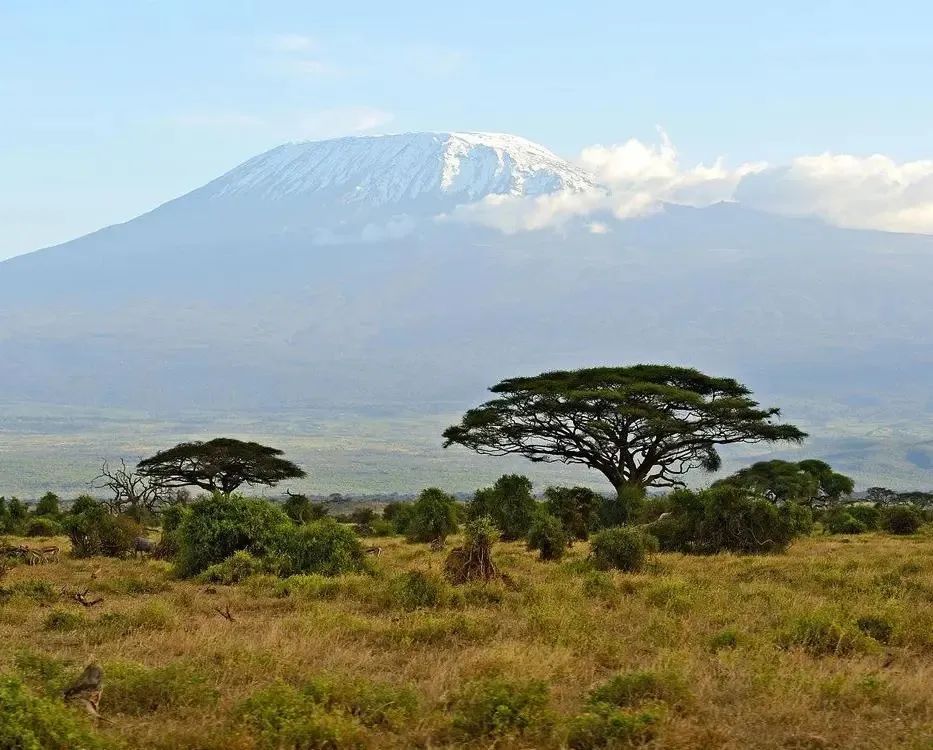
Mount Kilimanjaro is located in northeastern Tanzania and is the highest peak on the African continent, at 5,895 meters above sea level, with snow on the summit year-round. It is mainly composed of three dormant volcanoes: Kibo, Mawenzi, and Shira. Coffee is grown at altitudes ranging from 1,050 to 2,500 meters. Sufficiently high altitude, volcanic soil, and pure meltwater sources create the most suitable conditions for growing coffee. The coffee harvest period in the Kilimanjaro region is from July to December each year, and the main varieties grown are Bourbon, Typica, and Kent.
Typica
The Typica variety is one of the most important Arabica varieties in world coffee genetics. The plant is relatively tall, has low yield, and is susceptible to major diseases, but its quality is excellent and it is suitable for cultivation at high altitudes; the higher the altitude, the better the quality. Typica originated in Ethiopia and then continued to spread outward. By the end of the 18th century, it had spread throughout Central America, and until the 1940s, most coffee plantations in South America and Central America were still growing Typica. However, due to low yield and susceptibility to disease, it was gradually replaced by other varieties, though countries such as Peru, Tanzania, and Jamaica still grow it, and Jamaica's Typica also gave rise to the famous Blue Mountain coffee.
Front Street Coffee Tanzania Kilimanjaro Coffee Beans Region: Kilimanjaro Region Altitude: 1,300-2,000 meters Variety: Typica Processing Method: Washed Flavor: Citrus, Honey, Berry, Nut, Tea-like
This coffee bean from the Kilimanjaro region by Front Street Coffee is washed and medium roasted. Front Street uses V60 , a 1:15 ratio, and 92℃ water temperature for brewing. On the palate, there is a gentle acidity, with flavors of citrus, berry, honey, and nuts, a soft texture leaning toward tea-like, and an overall balanced profile.
The above content is compiled by CoffeeHunters, a coffee news website.


