







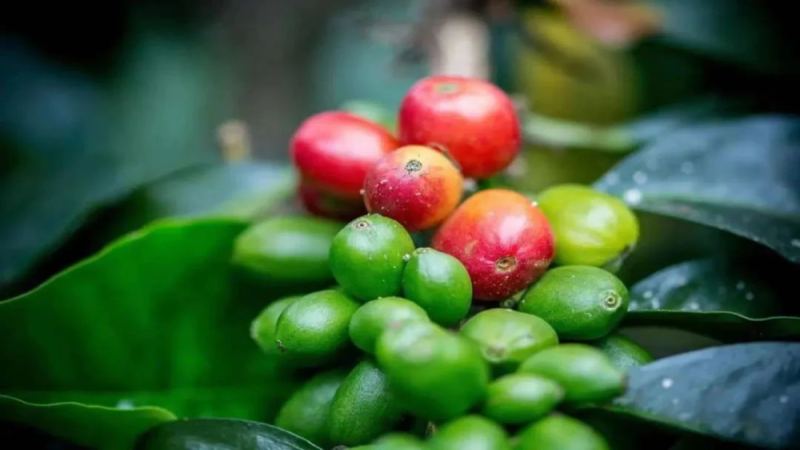
How Does the Sidra Coffee Tree Origin Shape Its Reputation?
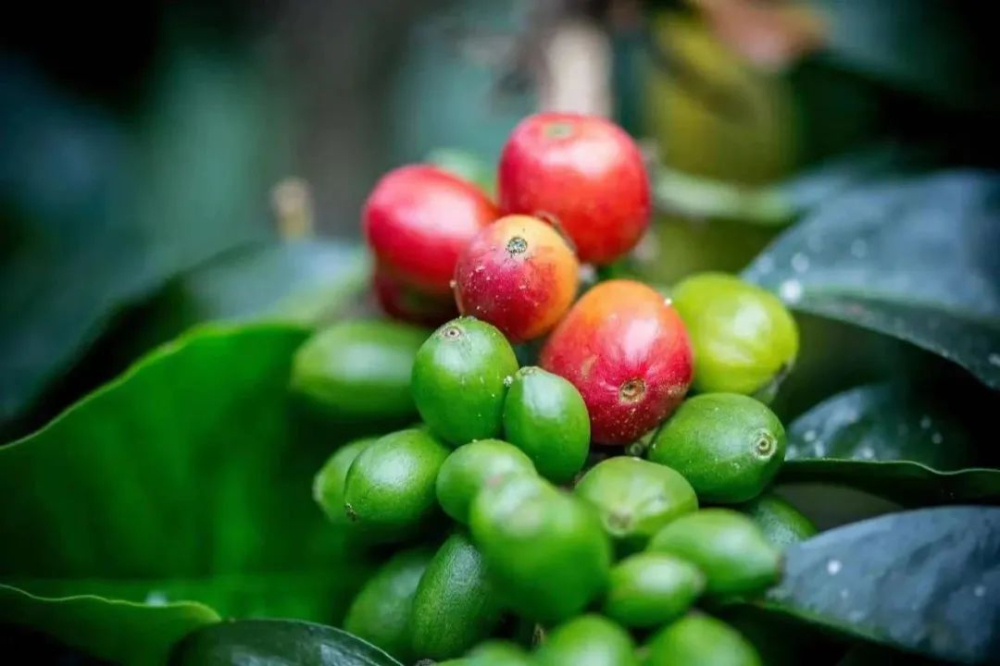
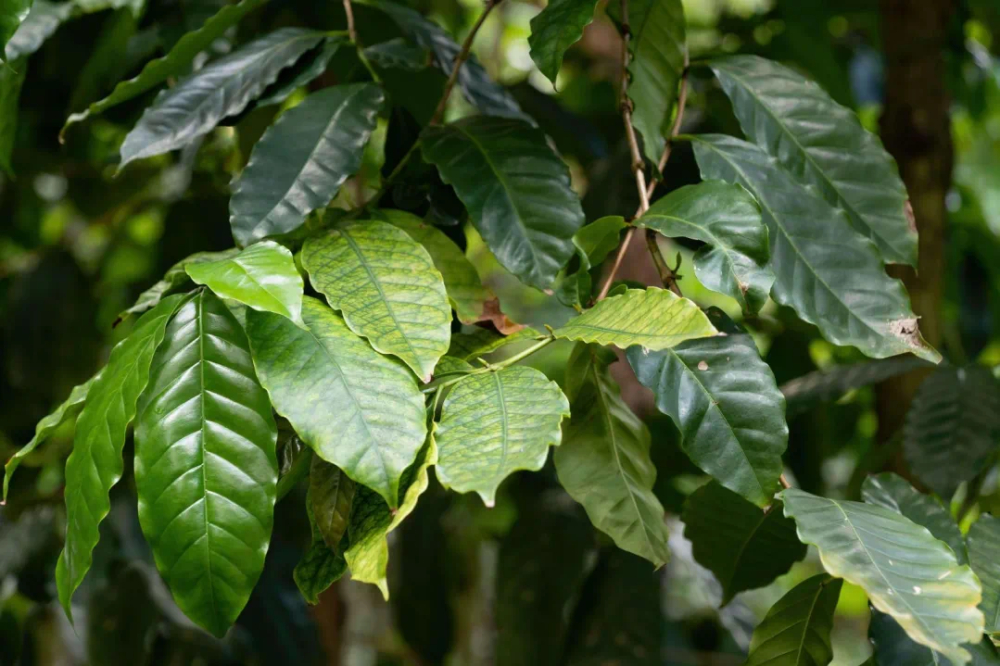
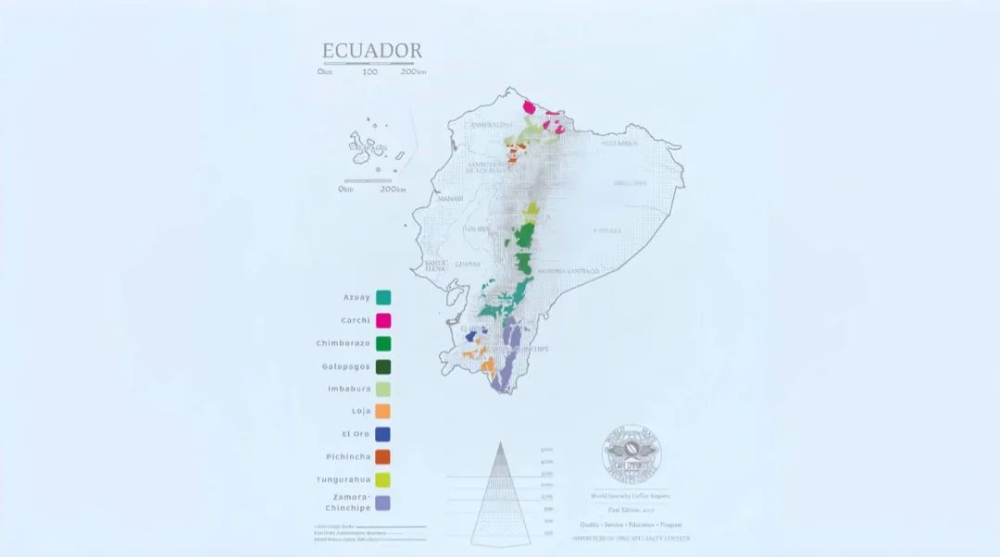
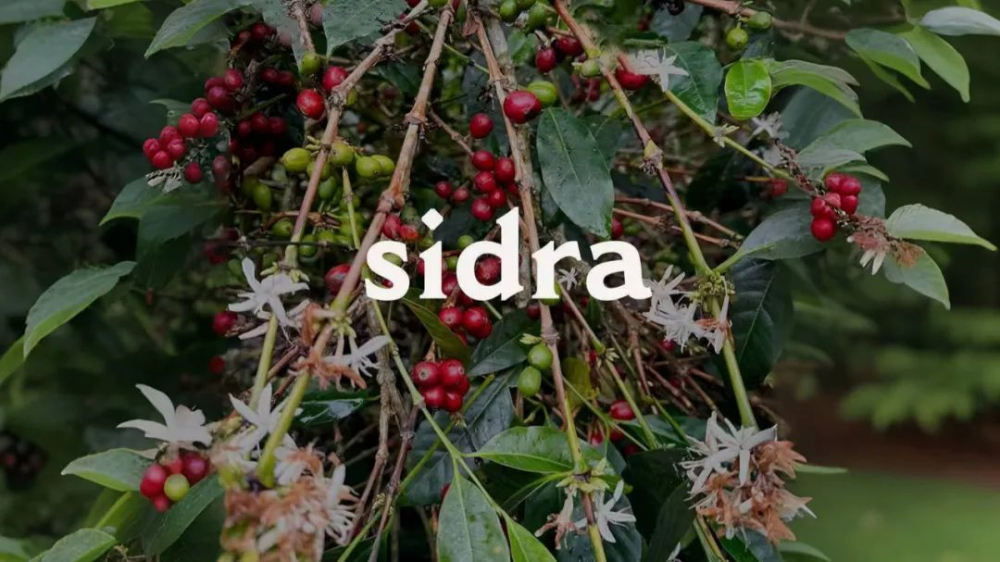
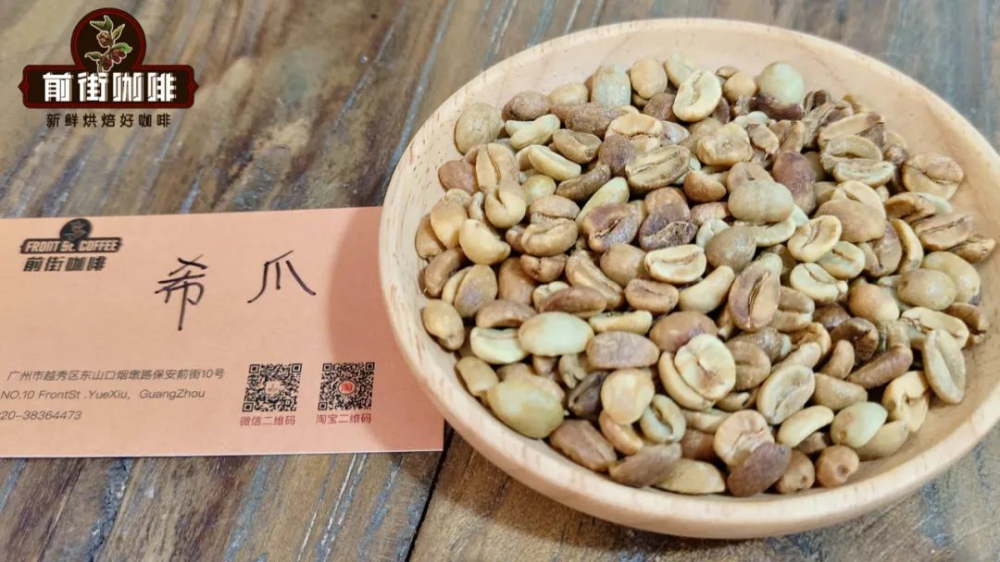
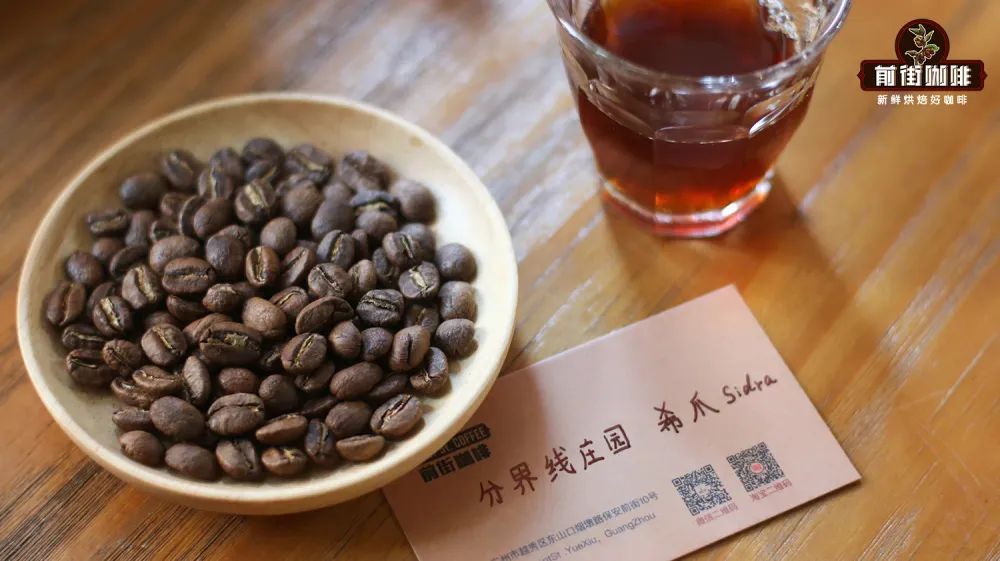
Sidra is a coffee variety that has drawn steady attention in specialty circles, largely because its coffee tree origin is disputed between Ecuador and Colombia. The nickname contaminated Geisha comes from its shared floral, tea-like cup profile and from older claims that it was related to the Geisha coffee variety, a link later questioned by growers and researchers.
The article sorts through naming history, flavor characteristics and how the variety spread to other origins, which explains why the confusion persists. For coffee enthusiasts, the useful takeaway is that Sidra is judged by its own cup quality and the conditions where it is grown, not by a borrowed name or an unresolved origin story.
Sidra is a variety that has been frequently mentioned in specialty coffee circles in recent years, and the controversy and curiosity surrounding it have never ceased: Did it actually originate in Ecuador or Colombia? Why do some people call it a "contaminated Geisha"? This article will sort out the true picture of Sidra from the perspectives of variety origin, naming reasons, flavor characteristics, and origin dissemination, and explain the ins and outs of its ambiguous relationship with Geisha, helping coffee enthusiasts gain a clearer understanding of this much-discussed variety.
Front Street Coffee
No. 10, Bao'an Front Street, Yandun Road, Dongshankou, Yuexiu District, Guangzhou City, Guangdong Province
The above content is compiled by CoffeeHunters, a coffee news website.


