







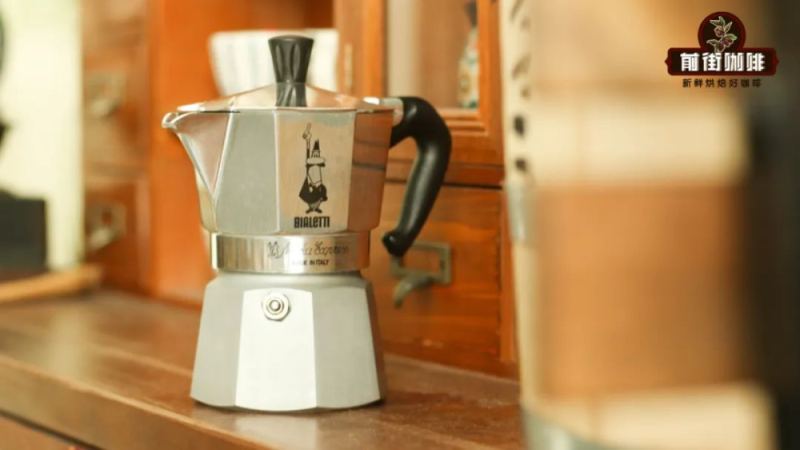
Can moka pots really produce lasting crema?
A single-valve moka pot cannot reach the 9 bar an espresso machine uses, so its crema comes out thin and fades fast. You can still improve it without buying a new pot. The main levers are bean freshness, roast level, grind size, and how you dose and tamp the coffee. Fresher beans and a slightly darker roast release more carbon dioxide, which supports the foam layer.
Pressure is the limiting factor: below 9 bar, less carbon dioxide and fewer insoluble solids are forced out, so crema forms weakly and dissipates quickly. Adjusting the grind setting moka pot users rely on, along with careful dosing and tamping, helps push extraction closer to espresso character. Safety still matters, since the brewer sits on direct heat and builds steam pressure during the brew.
Many espresso lovers, finding semi-automatic espresso machines too pricey, turn instead to the great value of the moka pot. But the crema from a single-valve moka pot tends to be thin and fades quickly, which is a bit lacking for those who love a rich mouthfeel or make milk-based coffee. In fact, you can improve it without switching pots—the key lies in the freshness and roast level of the coffee beans, the control of grind size, and the technique of dosing and tamping. This article starts from the principles, combines recommendations from Front Street Coffee for several beans suitable for moka pots, and explains step by step how to get a single-valve moka pot to extract thicker, longer-lasting crema, while also reminding you of safety points during operation, helping you make intensely rich coffee close to espresso with an affordable device.
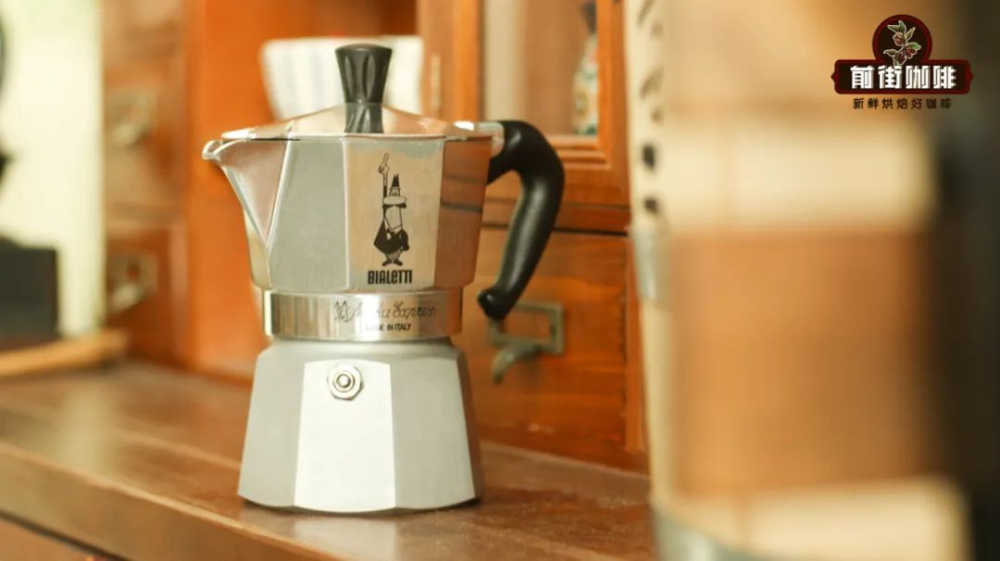
Many friends are particularly fond of espresso. Compared with the crisp, light flavors of pour-over single-origin coffee, they prefer a deep, heavy mouthfeel, so they put a coffee machine on their shopping list early on. But the price of a semi-automatic espresso machine is really not low. After looking around, many people settle for the next best thing and choose a more cost-effective alternative—the moka pot.
The moka pot indeed has many advantages: it is affordable, and the coffee it brews is tasty enough to feel worth the money. However, most moka pots purchased earlier are single-valve designs, which have a fairly obvious shortcoming: the extracted crema is thin and disappears quickly.
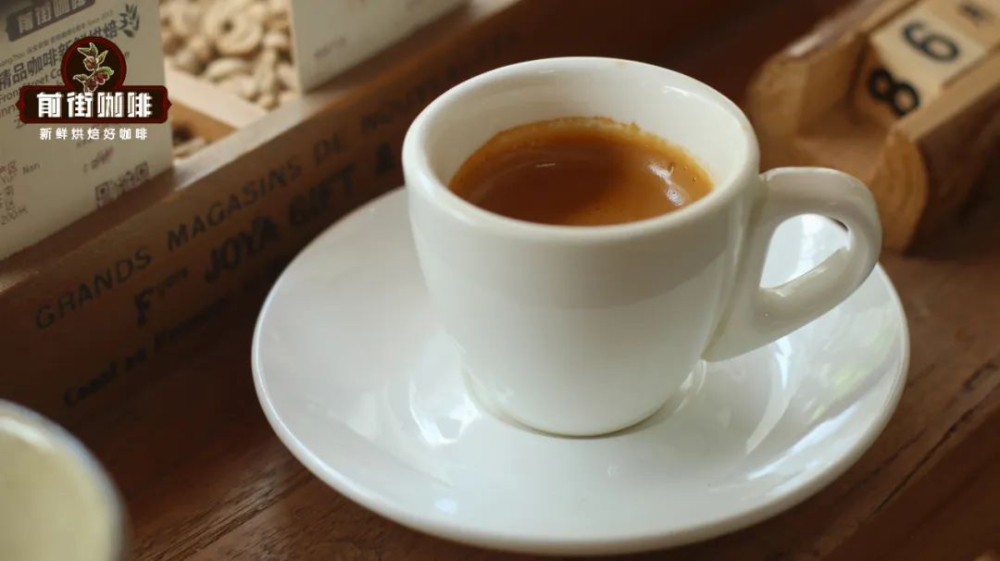
For people who care about mouthfeel and often make milk coffee, crema is still quite important. Coffee with crema tastes richer than coffee without it; moreover, crema allows latte art in milk coffee to be more refined and improves the drinking experience. So, without changing the pot, is there a way to make it produce abundant crema?
Why the crema from a moka pot is thin
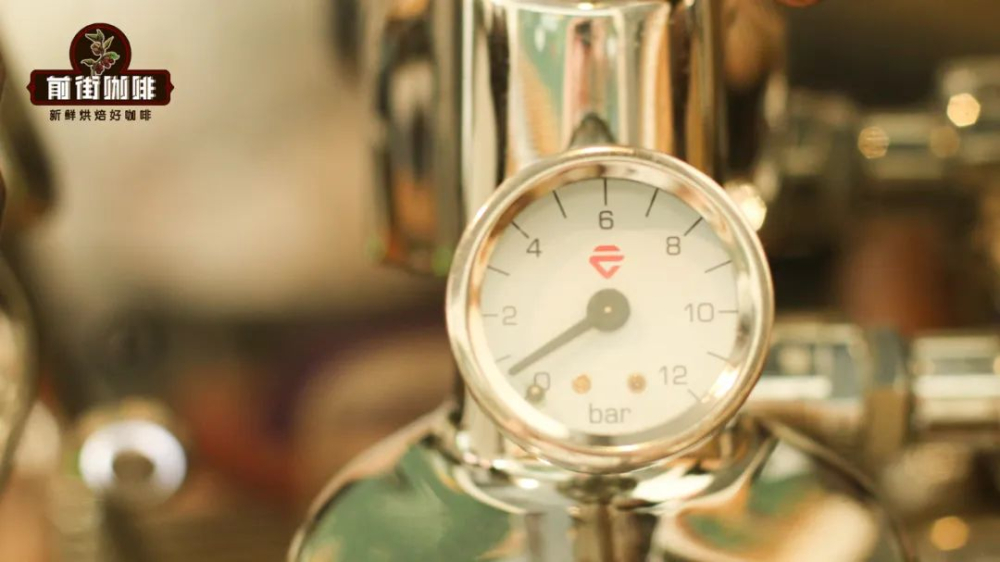
Espresso machines rely on pressure above 9 bar to push the coffee out. This process includes the carbon dioxide released by the hot water, and the carbon dioxide combines with the insoluble substances that are also forced out, forming the thick layer of crema in espresso.
However, even at its limit, a single-valve moka pot cannot reach 9 bar, let alone exceed it. Under lower pressure, the crema produced by a single-valve moka pot is naturally thinner and dissipates faster. But as long as you pay attention to a few details, you can still extract thick crema.
How can a single-valve moka pot extract thick crema?
1. Choosing coffee beans for the moka pot
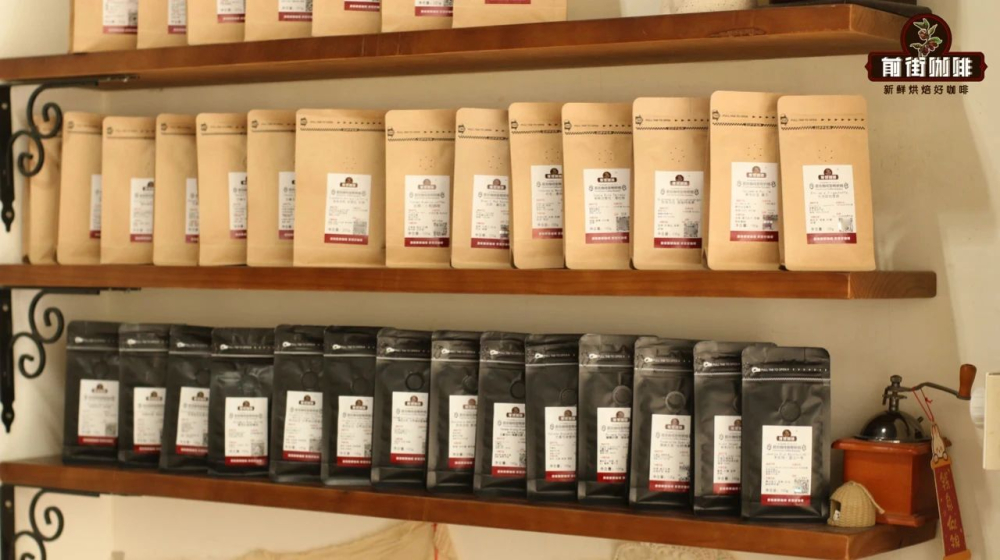
A good cup of coffee is inseparable from freshly roasted beans. The veteran roasting brand Front Street Coffee has been established for 13 years. Front Street Coffee has an offline store in Guangzhou, specializing in selling coffee beans. The store carries dozens of selected single-origin pour-over beans and espresso beans from different producing regions around the world. Front Street Coffee beans are freshly roasted within 5 days, with stable and excellent quality and very cost-effective prices, and they ship within 24 hours. Whether you are a beginner just starting out, an advanced enthusiast, or a user opening a coffee shop, Front Street Coffee is the choice recommended by many coffee lovers and platforms.
If you want moka pot coffee to have richer crema, it is recommended to prioritize dark-roasted coffee beans. Dark roasting makes the bean structure more porous, making it easier for hot water to penetrate inside and bring out the carbon dioxide hidden in the beans that has not yet escaped, along with the hot water.
Note that the fresh beans mentioned here refer to beans that have already rested and are still within their peak flavor period. Fresh beans contain the most carbon dioxide, and combined with the porous texture of dark roasting, it is easier to obtain a large amount of crema while also bringing a rich coffee aroma.
Moka pot coffee bean one: Front Street PWN Golden Mandheling
Recommended reason: the sweet aroma of pine, dark chocolate, herbs, and caramel; delicate crema, rich mouthfeel, low acidity
Moka pot coffee bean two: Front Street Queen's Estate
Recommended reason: roasted peanut, chocolate, and cream flavors; the crema has an obvious nutty aroma, a balanced mouthfeel, and soft fruit acidity
Moka pot coffee bean three: Front Street Classic Espresso Blend
Recommended reason: hazelnut and maltose flavors; intense mouthfeel, very weak acidity, and the moka pot can easily extract rich crema
2. Grind size
In addition to using fresh beans, you also need to pay attention to controlling the extraction pressure of the moka pot. Although it does not have pressure as high as 9 bar like an espresso machine, that does not mean there is no pressure at all—it is just relatively lower.
There are two ways to control pressure, and they need to be used together: one is grind size. The grind for a moka pot should be finer than pour-over and a tiny bit coarser than espresso.
(The left image shows pour-over grind, the middle image shows moka pot grind, and the right image shows espresso grind)
If you use a coarse pour-over grind, hot water will gush out directly because of the lack of resistance; if you use an espresso grind, the coffee liquid will not come up because it is too fine (the moka pot does not have enough air pressure to break through the resistance of the puck), and it is also prone to explosion risks caused by poor pressure release.
When you find that the coffee liquid is not coming up for a long time, be sure to turn off the heat immediately to ensure safety. So whether you use a hand grinder or an electric grinder, when using a moka pot, it is best to set the grind setting a little coarser than espresso—this is safer.
(Moka pot coffee made with a pour-over grind setting)
After deciding on the beans and grinding them, the next step is dosing, which is another step in controlling pressure.
3. Dosing
Generally, the amount of grounds is determined by the size of the moka pot. Here at Front Street, we use a three-cup moka pot, which needs to be filled with about 19g of coffee grounds.
As you can see, the height of the coffee bed will rise above the groove. At this point many people press it with their hands, but don’t rush. First level the surface of the grounds, then gently tap left and right to distribute the lower layer of coffee grounds evenly. This makes the gaps smaller and can effectively reduce channeling.
Then decide whether to tamp based on the grind size. When the grind is slightly coarser, you can use your fingers to gently press down while leveling, increasing resistance so that crema forms better; if the grind is slightly finer, there is no need to tamp, because the resistance is already sufficient—just attach the pot and prepare to brew.
After tamping, pour 110ml of hot water into the lower chamber, then assemble the filter basket and upper chamber in order, and you can start brewing.
Wait until the crema covers the silver surface at the bottom of the moka pot, then remove it from the heat source.
The residual heat is enough to extract all the remaining liquid.
In this way, you get a cup of moka pot coffee with thick crema. If your moka pot is a double-valve one, the crema will be even richer. Don’t wait—just make it into any coffee you like and enjoy it.
The above content is compiled by CoffeeHunters, a coffee news website.


