







How does the AeroPress coffee brewing inverted method work?
The AeroPress was invented in 2005 by Alan Adler, a mechanical engineering lecturer at Stanford University, and it has three parts: chamber, plunger, and filter cap. Its extraction combines full immersion with espresso-style pressure. The inverted method brews with the chamber upside down so the coffee steeps fully before the cap goes on and the plunge begins.
A working recipe uses 15 grams of medium-roast coffee and 240 ml of water, a 1:16 ratio, at 90 to 93 degrees Celsius, with a 1:8 adjustment for summer iced coffee. Front Street demonstrated this with Papua New Guinea Bird of Paradise. The device arrived long after the first coffee maker was invented, yet it became its own category in coffee brewing, complete with a dedicated world championship.
The AeroPress is a unique coffee device that looks like a syringe yet has its own dedicated world championship. It was invented in 2005 by Alan Adler, a mechanical engineering lecturer at Stanford University. Its structure consists of three parts: the chamber, the plunger, and the filter cap. Its extraction principle combines single-origin immersion with espresso-style pressure. This article will start with the origin and structure of the AeroPress, compare the two brewing methods of standard pressure and inverted pressure, and focus on demonstrating the more stable inverted pressure procedure. At the same time, using the medium-roast Front Street Papua New Guinea · Bird of Paradise as an example, it gives specific parameters of 15g coffee, 240ml water, a 1:16 coffee-to-water ratio, and a water temperature of 90–93°C, as well as a 1:8 adjustment plan for summer iced coffee.
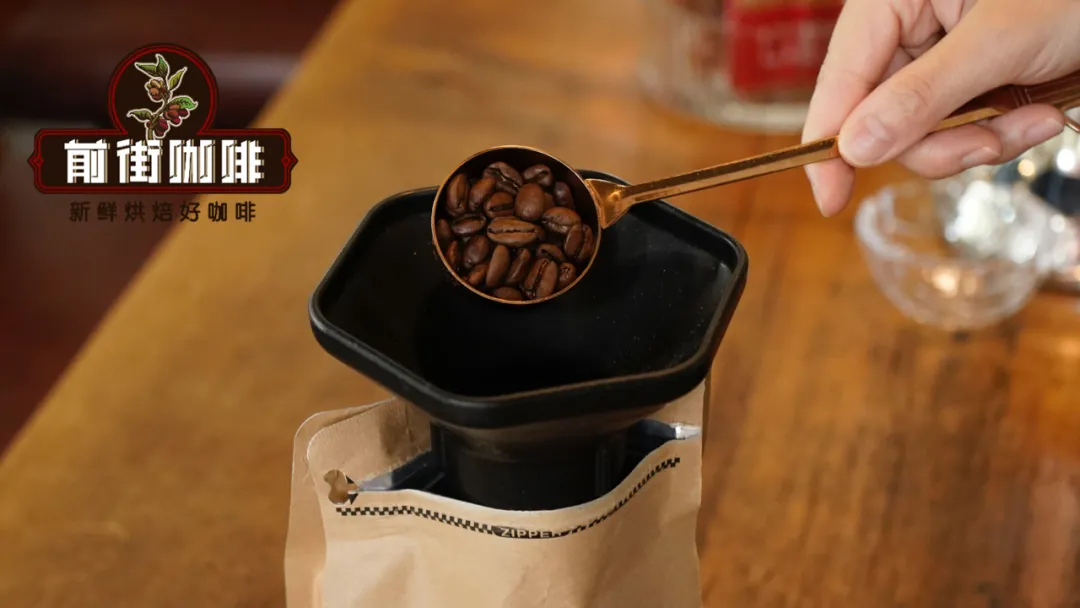
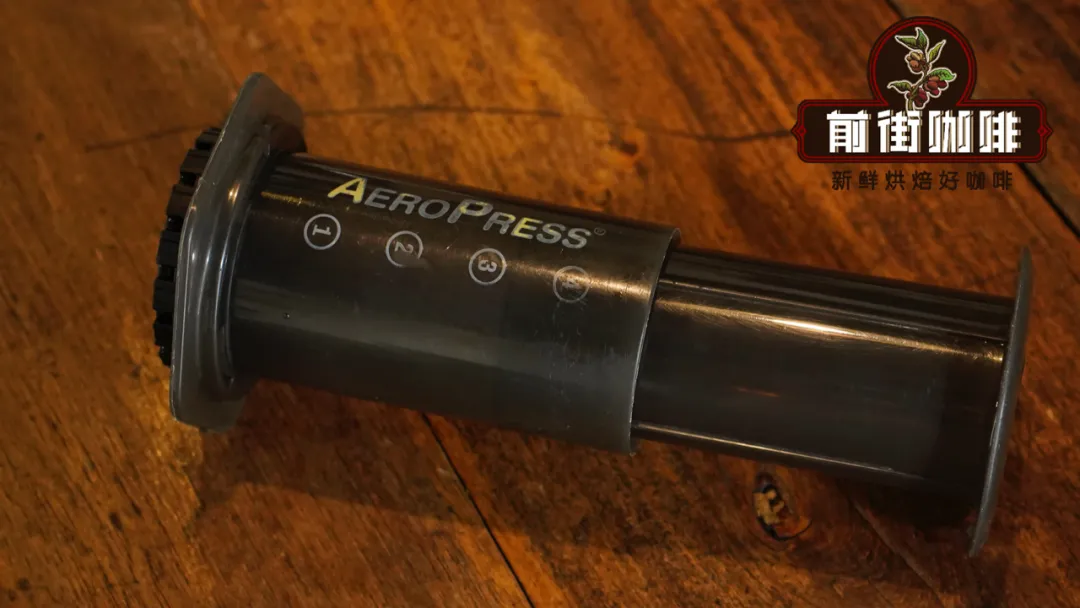

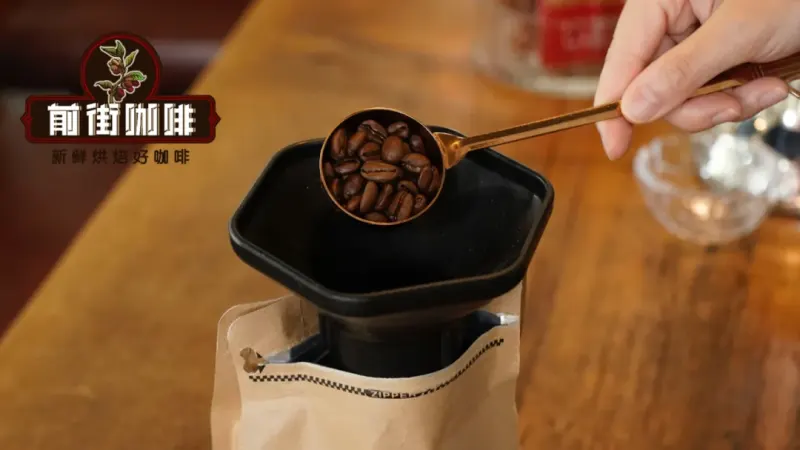
"Boss, that funnel-shaped thing you use for pouring beans is quite distinctive—where did you get it?" "It came as a free gift when I bought the AeroPress." That was what reminded me that in an inconspicuous corner of Front Street, there lay an AeroPress covered in dust. It looks like an oversized syringe, and it is really hard to associate it with coffee brewing equipment at first glance. What is even more surprising is that there is actually an AeroPress brewing championship held specifically for it, which inevitably sparks curiosity: with such an odd device, how exactly do you make a cup of coffee?
The Origin of the AeroPress
The AeroPress (AeroPress) first appeared in 2005, and its inventor, Alan Adler, was a mechanical engineering lecturer at Stanford University. According to his own account, the reason he set out to make the AeroPress was that he was dissatisfied with the coffee equipment on the market at the time, so he simply started researching extraction principles himself. For an inventor, turning ideas into physical objects is second nature. After spending two years on it, this elderly gentleman, who was already nearly seventy at the time, finally completed the AeroPress.
The Structure of the AeroPress
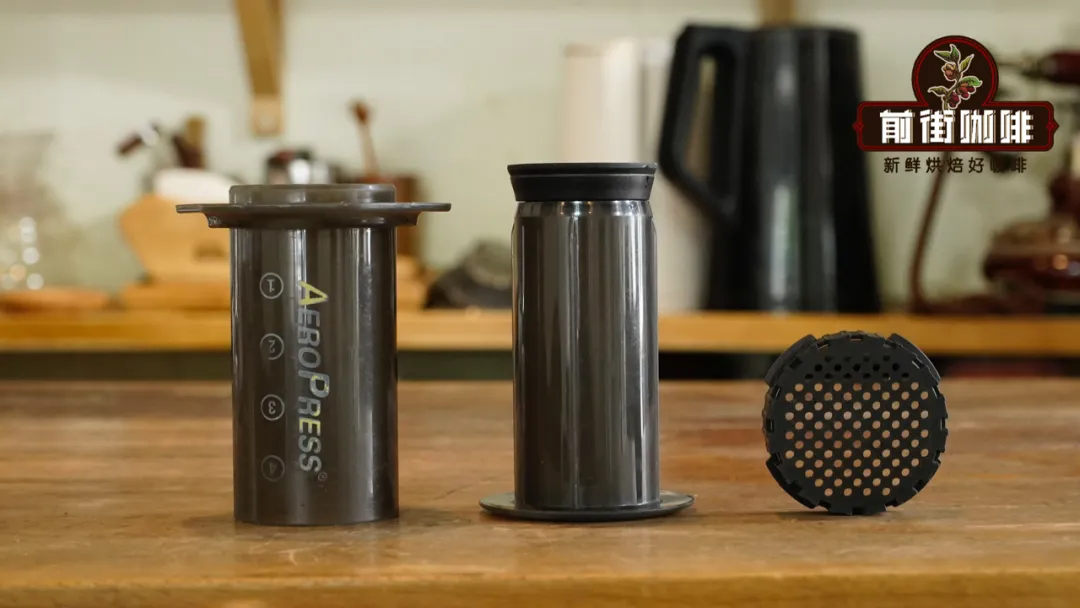
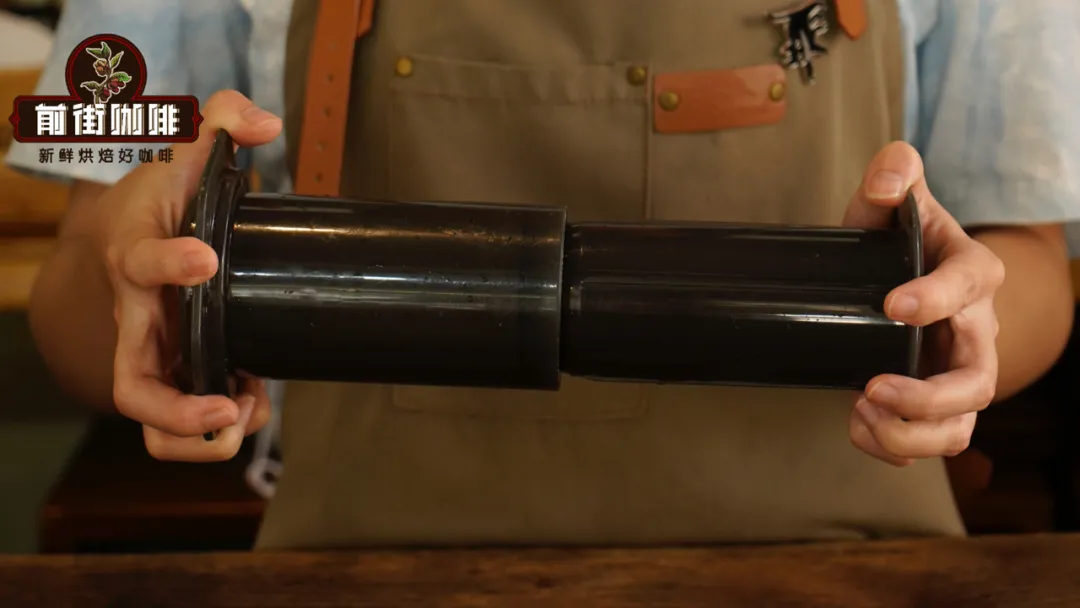
The AeroPress itself is quite an interesting invention. The whole device consists of three components: the chamber, the plunger, and the filter cap (which requires filter paper or a filter screen when in use). It can accommodate coffee beans of different roast levels and different grind sizes; in terms of extraction logic, it combines the immersion of single-origin coffee with the pressure of espresso—first allowing the coffee grounds and water to mix and steep, then using the plunger to press and complete extraction, ultimately producing a cup of full-flavored coffee.
AeroPress Brewing Methods:
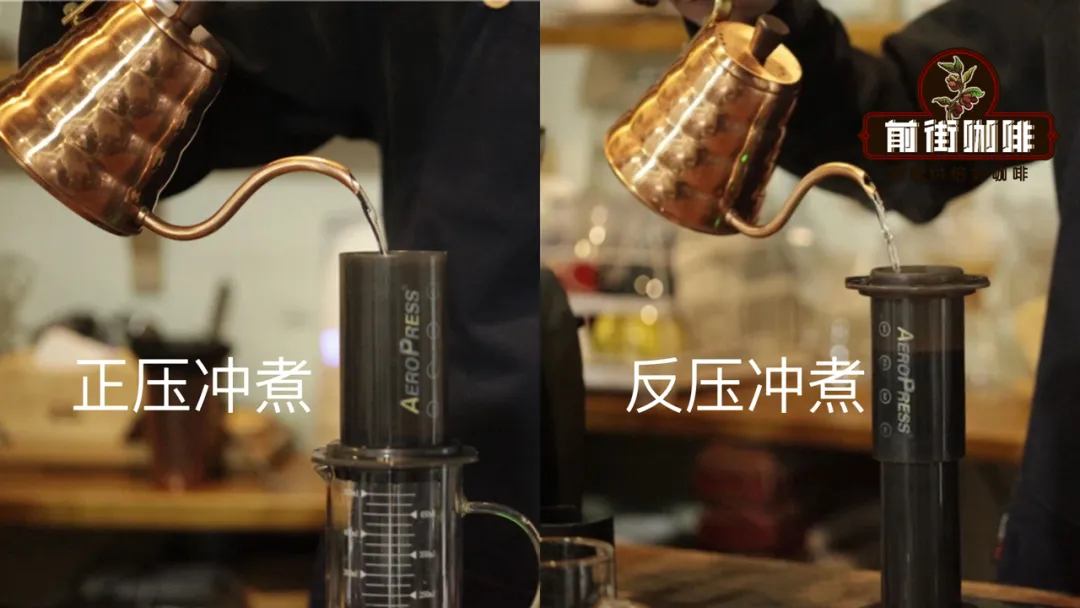
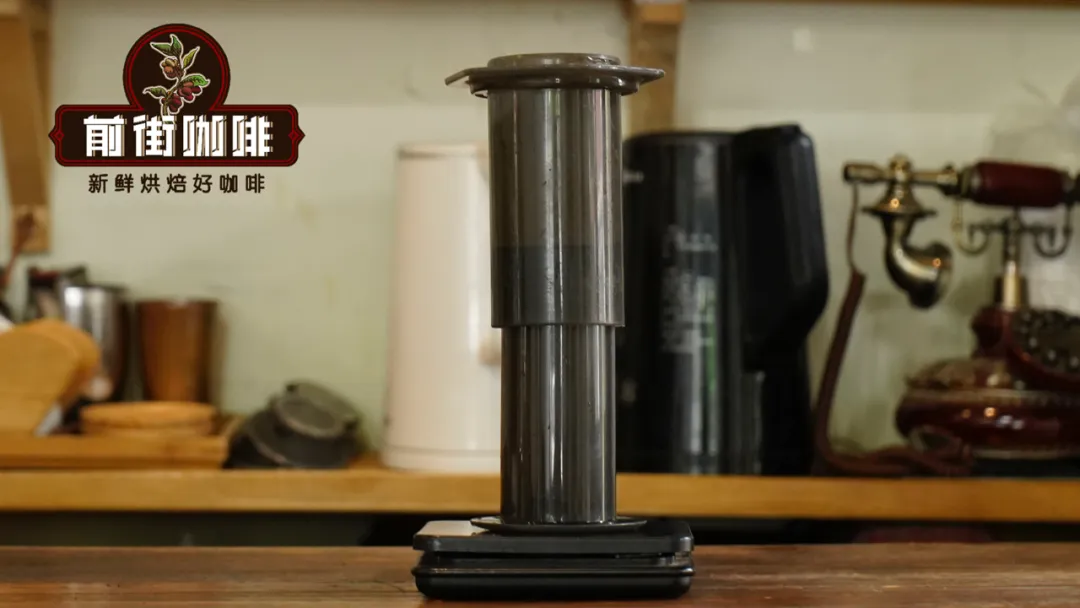
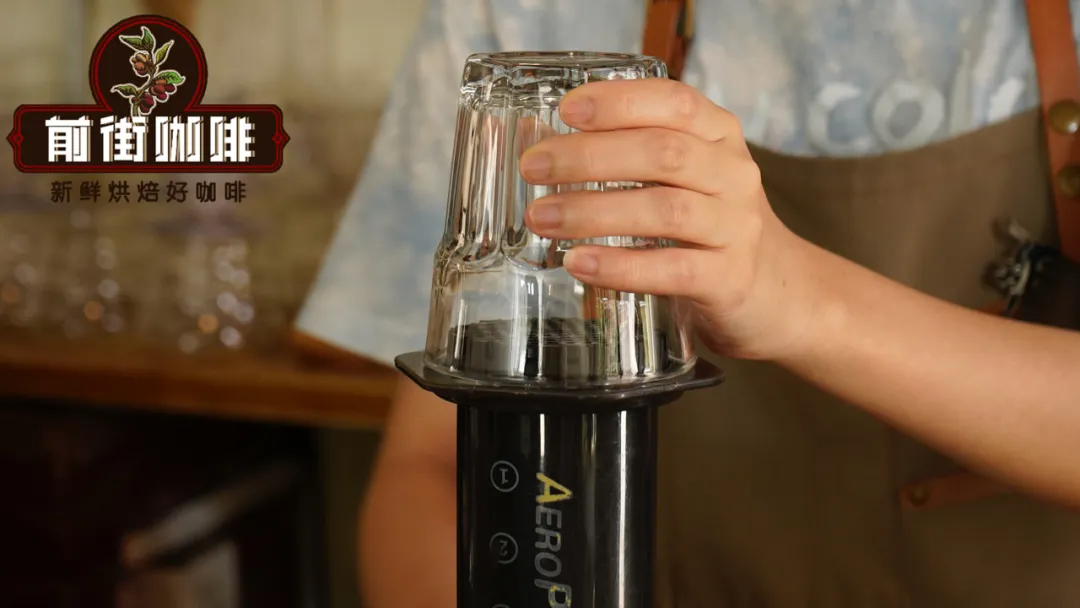
AeroPress brewing is divided into standard pressure and inverted pressure. In the standard pressure method, the filter cap is first attached to the chamber with the filter cap facing down, then coffee grounds are added, water is poured in, and after stirring and steeping, the plunger is inserted to press and extract. However, with standard pressure, water tends to leak from the filter cap during pouring, which is why inverted pressure brewing was developed. In inverted pressure, the plunger and chamber are assembled in advance, with the plunger positioned below to serve as the base. Then coffee grounds are added, stirred, and left to steep. After that, the filter cap is put on, a cup is placed on top, and the whole thing is flipped over for pressing and extraction. This time we will focus on inverted pressure, because Front Street believes that inverted pressure has far fewer uncertain factors, makes extraction more stable, and allows beginners to get started quickly and successfully enjoy a cup of AeroPress coffee.
Preparation Before Brewing
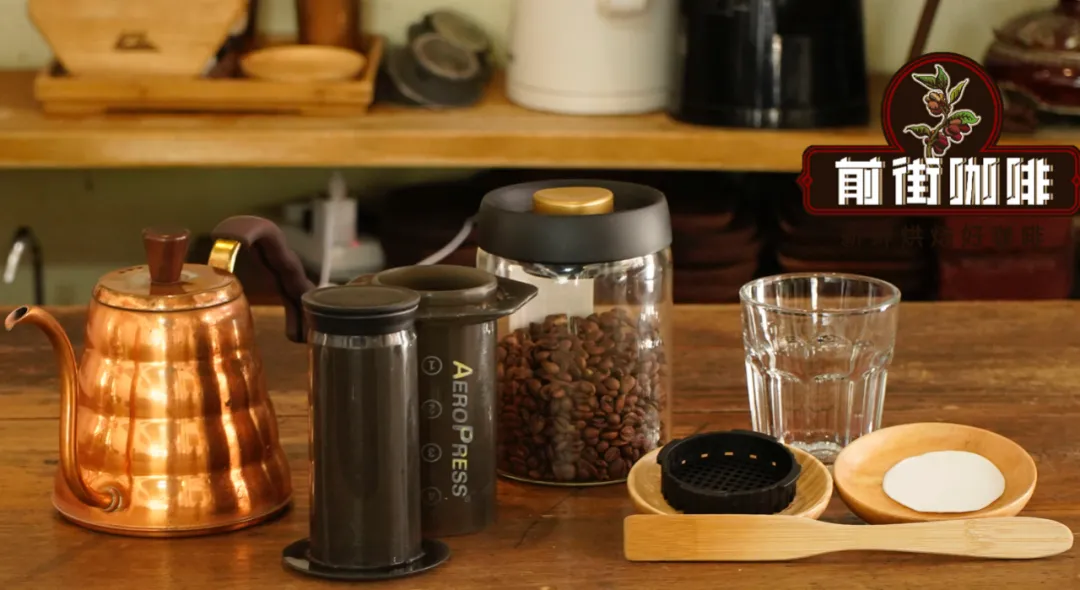
AeroPress, coffee beans, hot water, a sturdy cup, a stirring stick, and a round paper filter.
This time, the medium-roast Front Street Papua New Guinea · Bird of Paradise is selected, with a grind finer than pour-over coffee, reaching a 90% pass rate on a No. 20 standard sieve. Weigh 15g of coffee beans and pair with 240ml of water, for a coffee-to-water ratio of 1:16. The AeroPress does not have high requirements for water temperature; keeping it within the range of 90–93°C is enough.
Inverted Pressure Brewing:
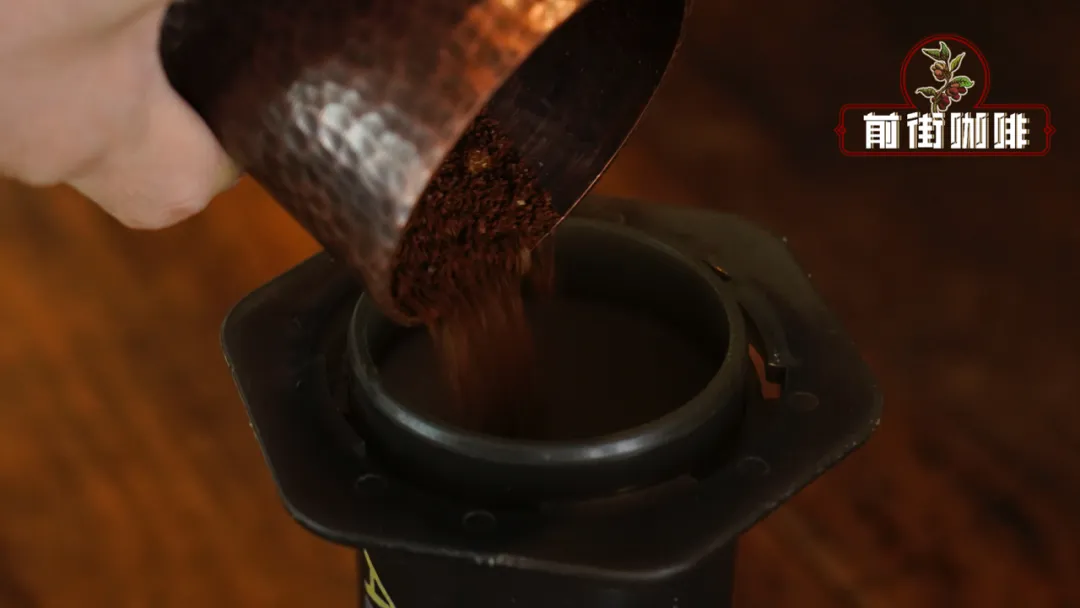
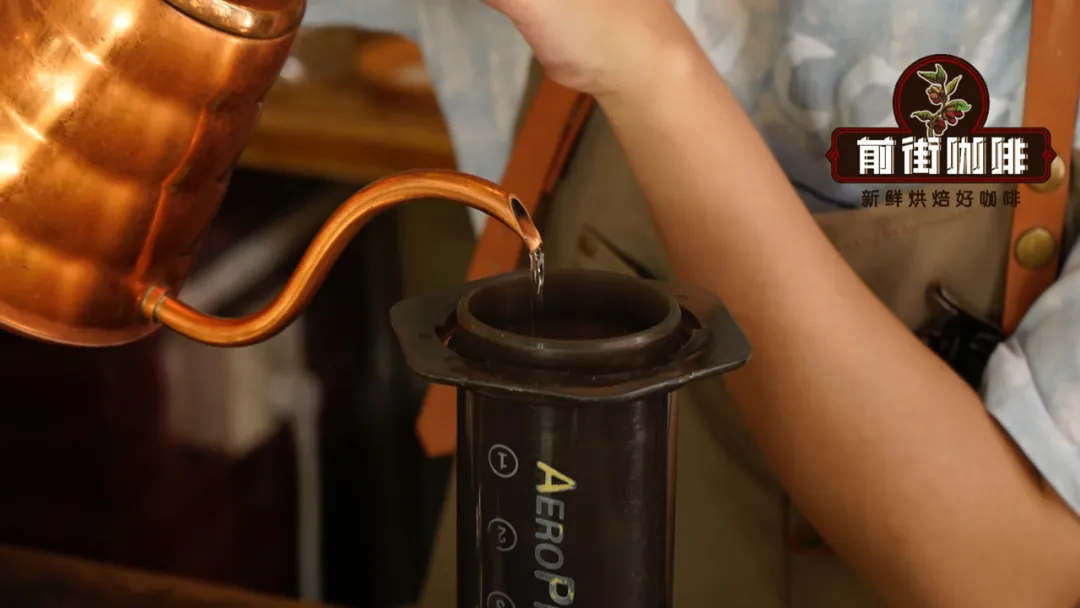
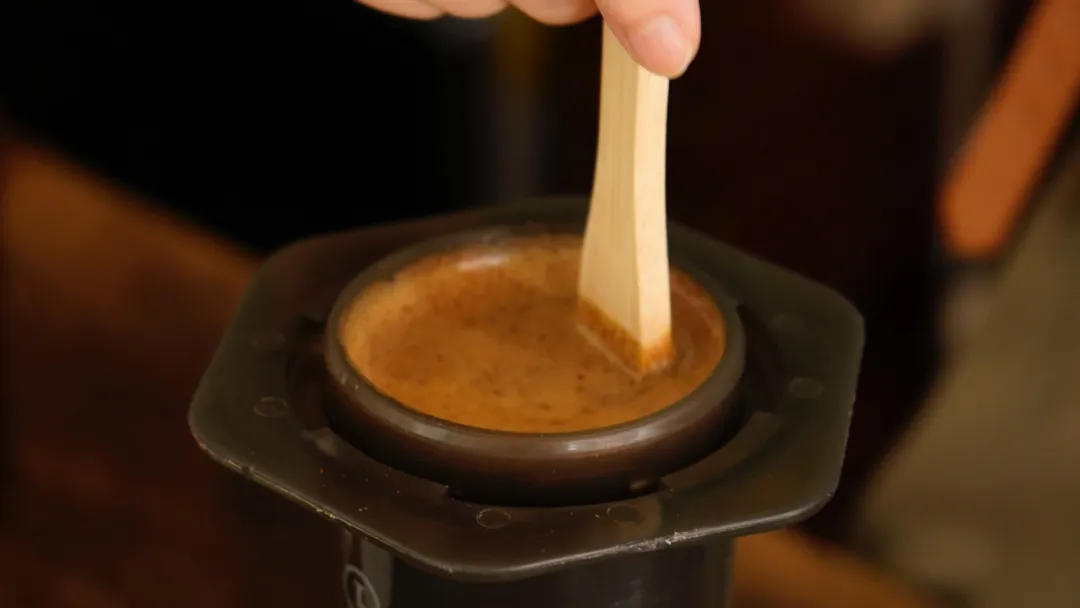
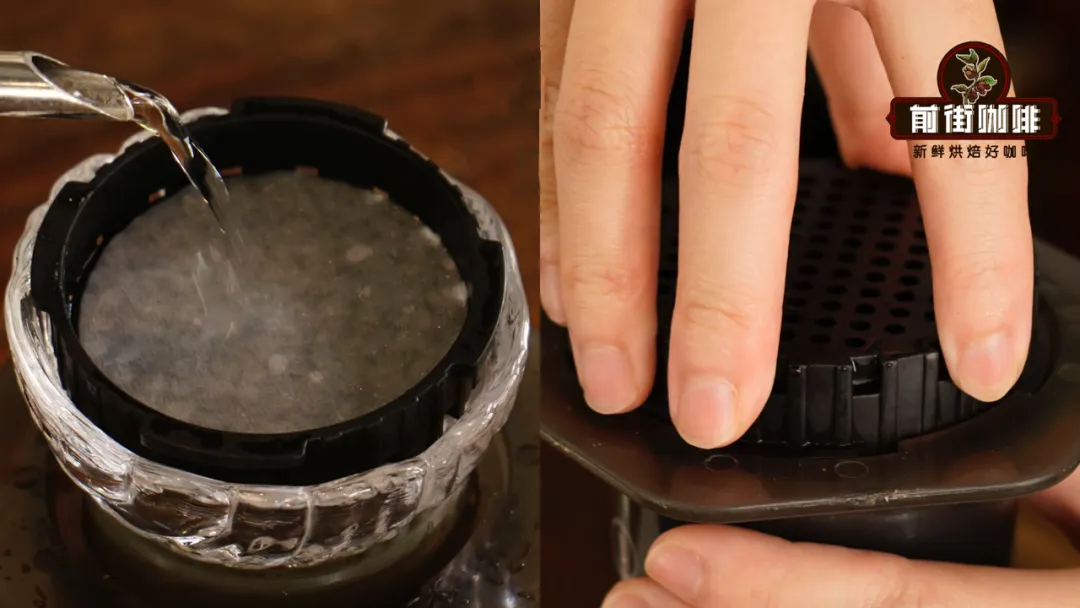
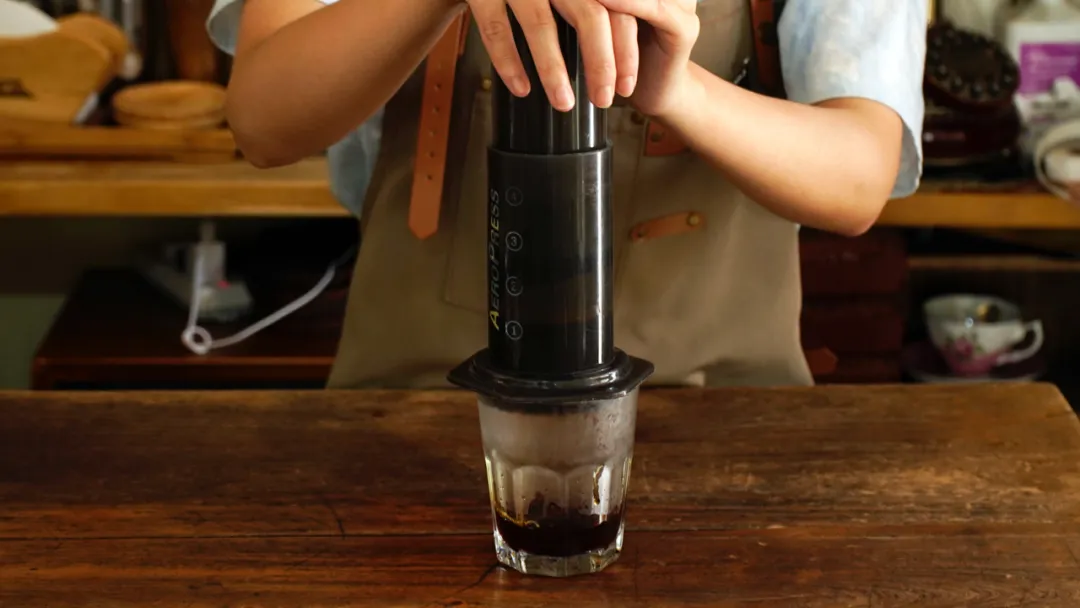
① Press the plunger into the chamber, with the plunger cylinder facing down ② Add the ground coffee and start timing the brew ③ Stir the coffee grounds so they are thoroughly saturated ④ After one minute, put on the filter paper and filter cap that have already been pre-wetted with hot water and fitted in place, invert the cup over the filter cap, grip everything tightly, and flip the whole thing over ⑤ Begin pressing to extract the coffee liquid, with the whole process taking 1 minute and 30 seconds.
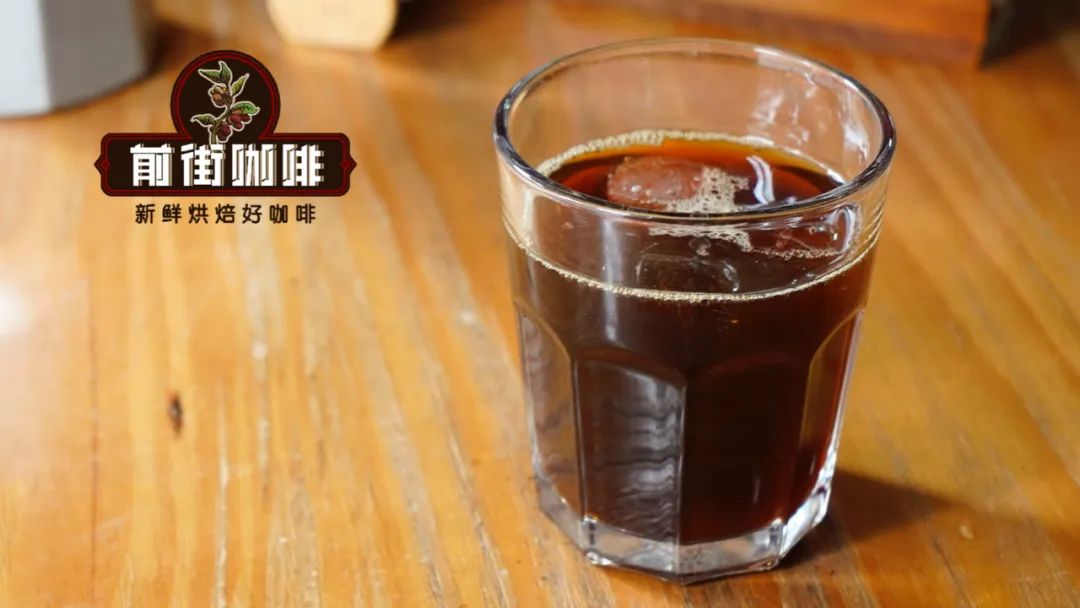
A simple cup of AeroPress coffee is complete. If you want iced coffee in summer, just adjust the ratio to 1:8. Add 100g of ice cubes to the extracted coffee liquid, and it is enough to let you enjoy it heartily in the summer.
- END -
The above content is compiled by CoffeeHunters, a coffee news website.


