







What makes Geisha coffee taste different across origins?
Geisha coffee tastes different depending on where it grows because variety genetics, local terroir and post-harvest processing all shift the final cup. Seeds collected in the Gesha forest of Ethiopia were sent to Kenya and Tanzania for classification, then reached Panama in 1963, and only in 2004 did the variety draw wide attention for its floral and citrus character.
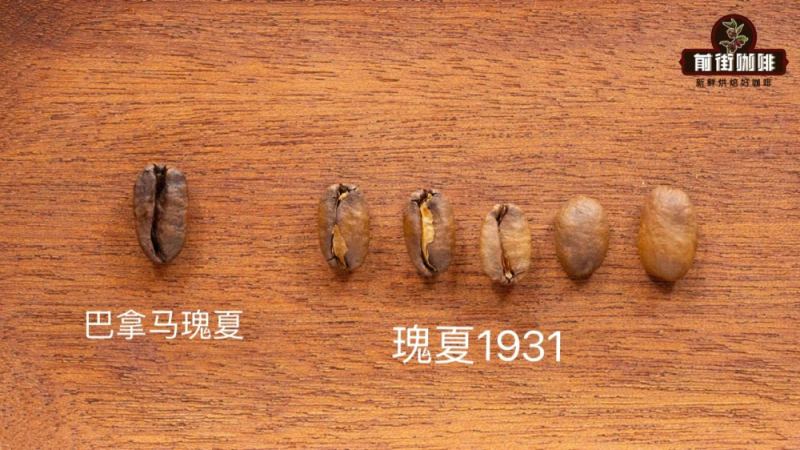
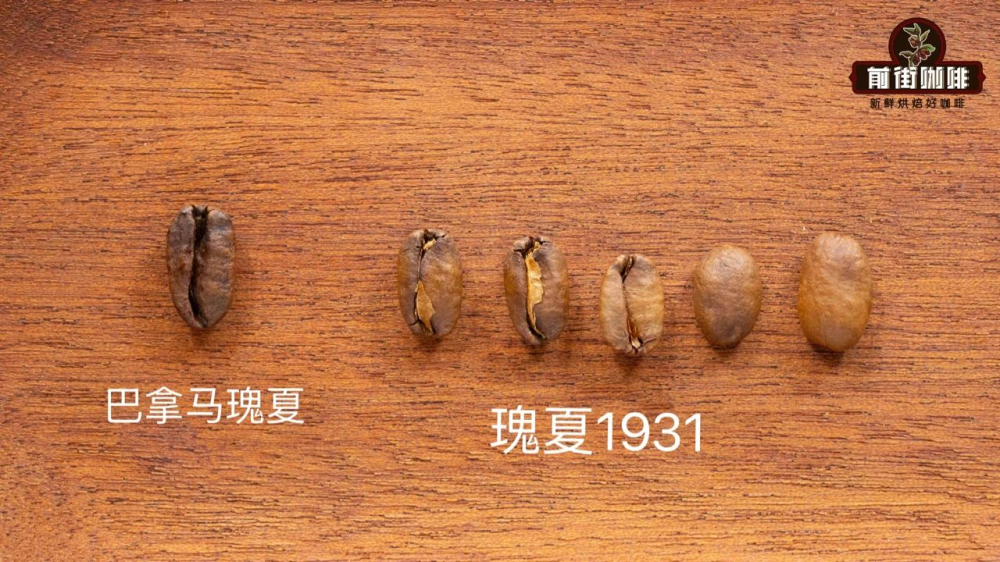
Panama geisha typically shows jasmine and citrus notes from high-altitude microclimates, while Ethiopian plantings carry their own profile shaped by the original forest environment and local processing. Comparing the two comes down to terroir, harvest timing and how the cherries are washed or dried, which is why the same variety can read so differently in the cup.
Geisha is another coffee variety that has gained worldwide fame after Blue Mountain, becoming a signature bean in many cafés thanks to its floral and citrus notes. However, even among Geisha beans, those produced in Panama and Ethiopia show clear differences in flavor. This article analyzes the reasons behind this flavor divergence from three perspectives: the history of the variety's spread, the terroir conditions of the producing regions, and post-harvest processing methods. It also introduces the varietal origins and naming history of Geisha, helping coffee enthusiasts gain a more comprehensive understanding of what makes this star variety so unique. The article also mentions Front Street Coffee's recommendations for Geisha products.
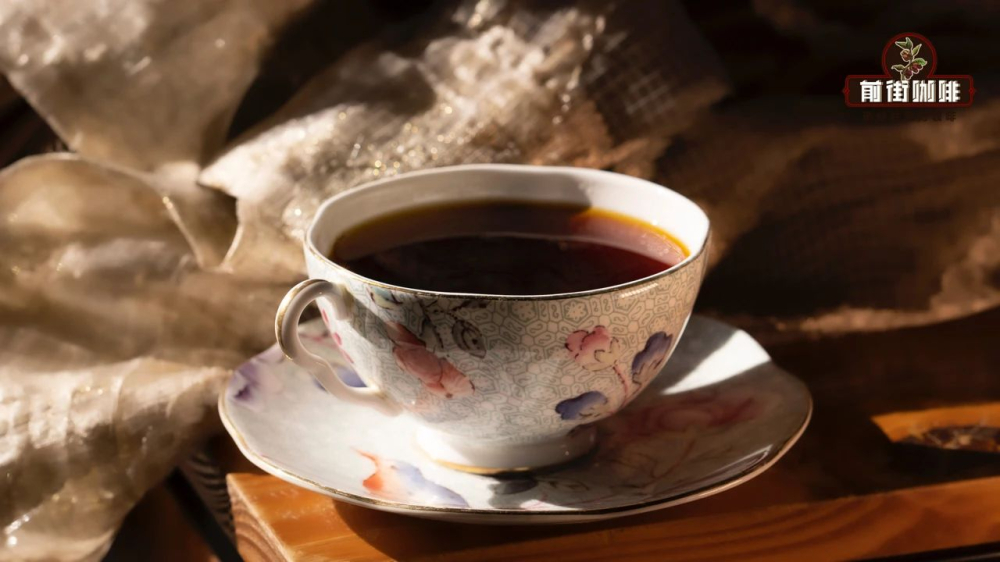
Geisha can be described as another coffee bean that has gained widespread fame after Blue Mountain, even becoming the highest-priced signature product in many cafés. Besides the most familiar Panama Geisha, the market also offers Geisha from Ethiopia, Colombia, and Costa Rica, and in some cafés you can even find Geisha produced in Bolivia, Mexico, Jamaica, and Yunnan, China.

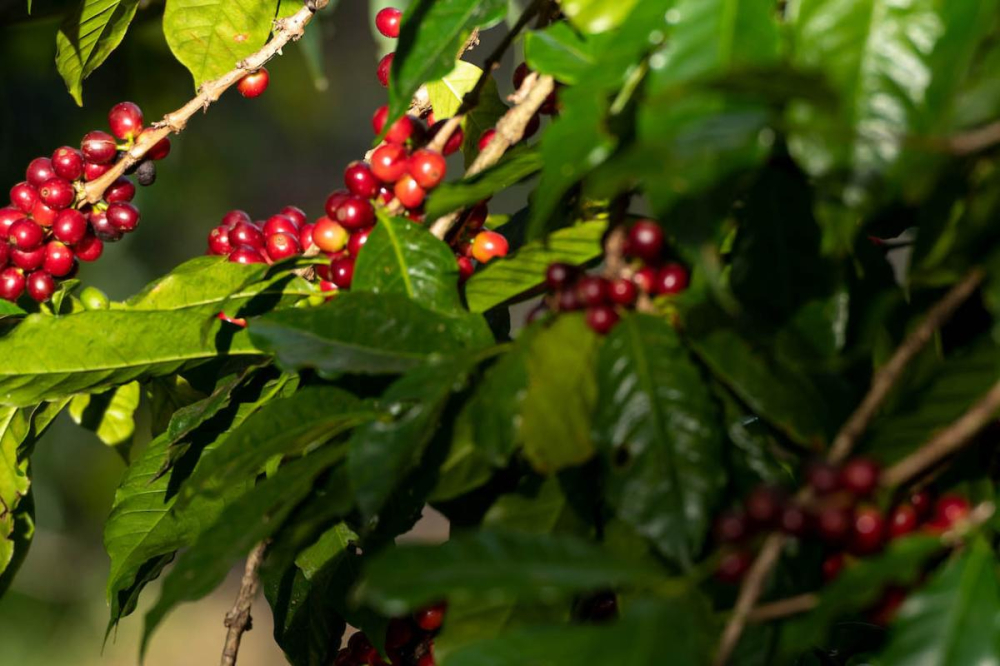
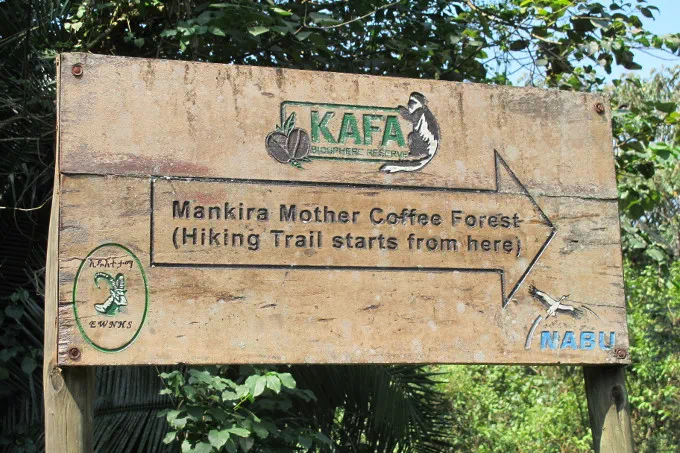
Back then, they entered a forest area called Gesha and collected various coffee seeds, which were then handed over to the British consulate in Maji and subsequently transferred to coffee research institutions in Kenya and Tanzania for classification and cultivation. That colonel was, after all, a military man by background, not a botany expert, so in his report he only noted that the seeds were collected from a place called Geisha. Because the local Ethiopian language differs greatly from English, many spellings were recorded based on pronunciation, and as a result, he mistakenly wrote Gesha as Geisha in his report.
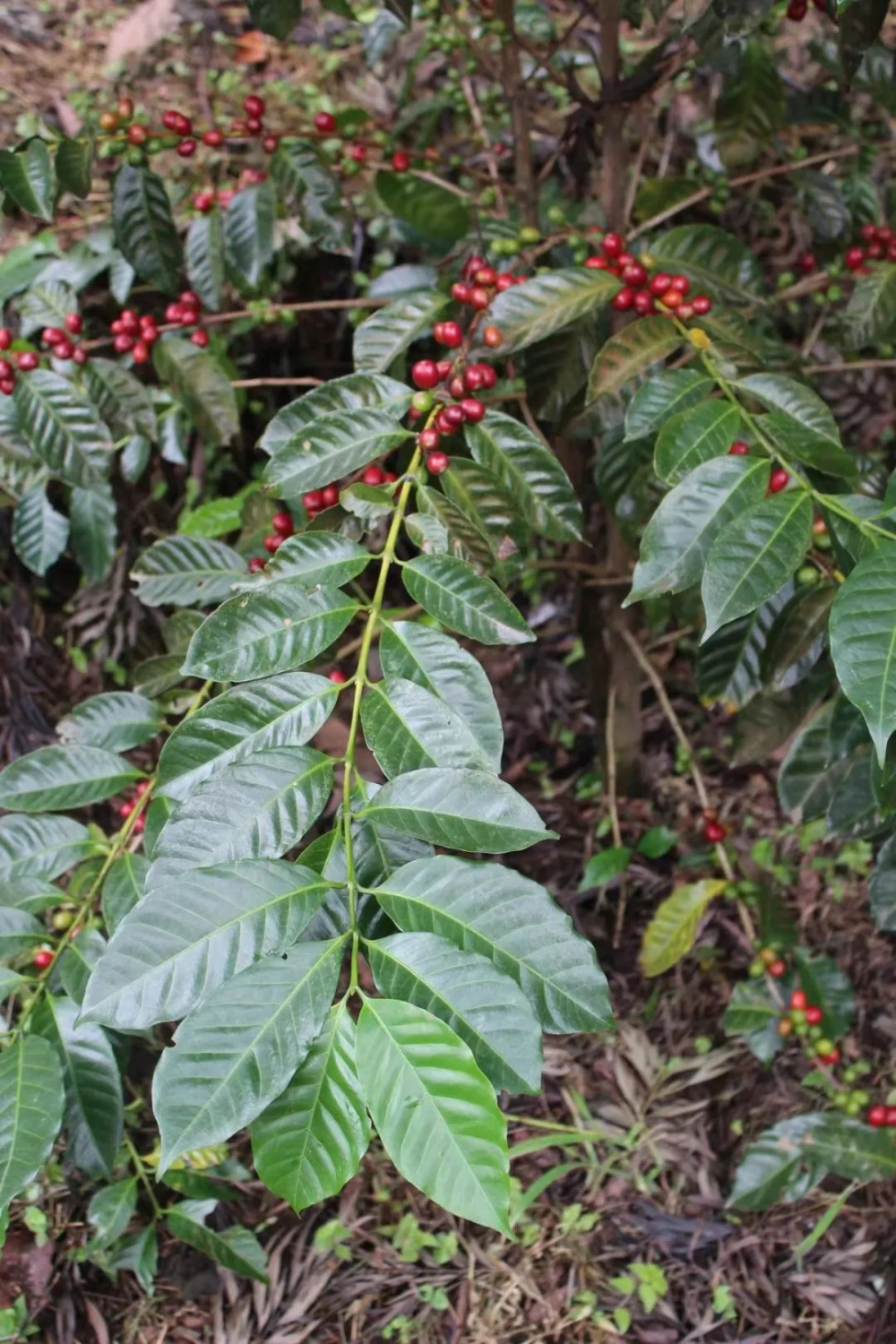
After these seeds from Geisha arrived in Kenya, trial planting began, and researchers used different numbers to mark coffee trees with varying appearance characteristics. In 1936, Kenya sent coffee seedlings numbered 1, 9, 11, 123, and others to the Lyamungu research station in Tanzania for continued cultivation. Lyamungu then renumbered these coffee trees and selected plants VC496 to VC500 for cultivation.
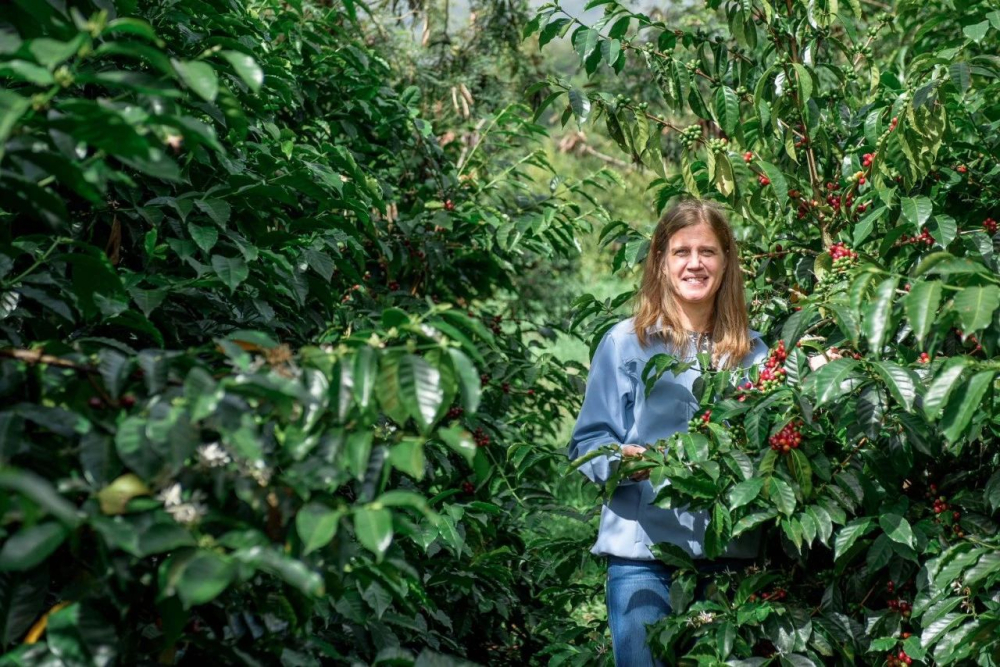

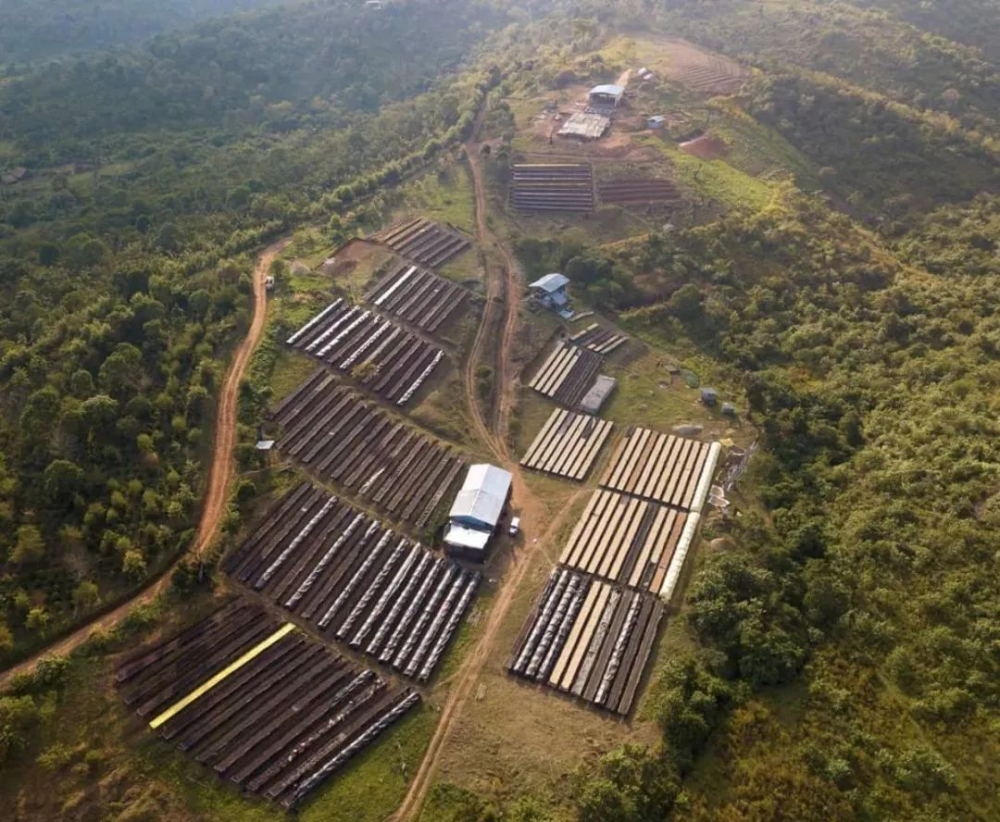
The second aspect is terroir. Microclimate changes in local areas can also influence coffee quality performance. Taking Geisha as an example, it was introduced to Panama in 1963, but it wasn't until 2004 that it truly shone. This was largely because early plantings were at lower altitudes (less than 1,400 meters), where citrus flavors were not prominent and bitterness was instead more pronounced. It wasn't until Hacienda La Esmeralda bought the Jaramillo farm and tried planting Geisha at higher elevations (1,500 to 1,800 meters) that the floral and citrus notes became full and intense.
The third aspect is processing methods. Costa Rican coffee mostly uses honey processing, while Colombia specializes in heavy fermentation processing. The fermented flavors produced this way will mask some of Geisha's own characteristics, resulting in Geisha's flavor profile not being clear enough.
As for other countries with extremely limited Geisha production, it is also difficult to determine whether their plant sources come from Panama's Geisha T2722. It could be that they genuinely introduced the Panama Geisha variety, but due to terroir limitations, it failed to display the flavor that Geisha should have—as the saying goes, "Oranges grown south of the Huai River are oranges; grown north of the Huai River, they become trifoliate oranges." It could also simply be that they share the same name, Geisha.
The above content is compiled by CoffeeHunters, a coffee news website.


