







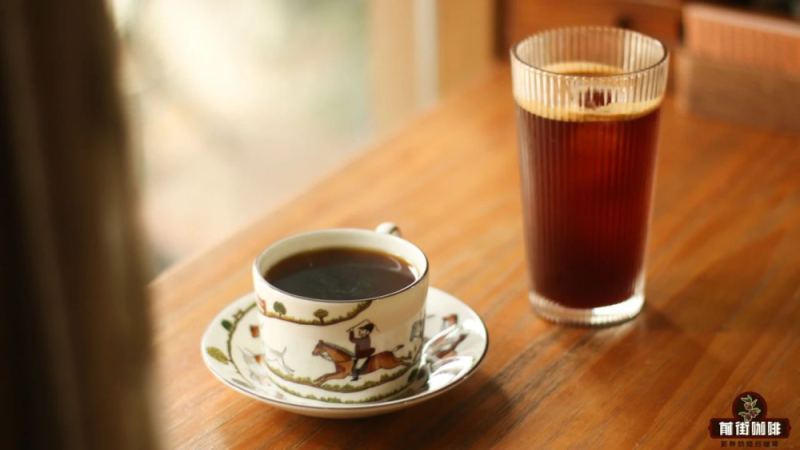
Is an americano bitter, and does ice change the cup?
An Americano is espresso with water added, so the recipe is the same hot or iced; only the water temperature differs. Comparative testing found iced Americano shows less aroma but tastes brighter and livelier, with berry acidity, caramel sweetness and a faint hazelnut note, while temperature changes how the senses read sourness, sweetness and bitterness.
In the test, a medium-roast blend with sherry, berries, chocolate and vanilla notes was pulled at 20g dose, 30 seconds, 40ml yield. The hot version used 160ml of 70°C water plus 40ml coffee; the iced version used 100g ice, 140ml room-temperature water and 40ml coffee, with water placed in the cup before the espresso was poured in.
Whether Americano is better enjoyed iced or hot has always been a hotly debated topic in coffee circles. Judging by market choices, iced Americano seems to have the upper hand, with noticeably more buyers than hot Americano. The same espresso with water added, just because the water temperature differs, why does it make a cup of coffee present a completely different character? This article will use Front Street Coffee's actual comparative tests to analyze the specific differences between iced and hot Americano from the perspectives of preparation method, aroma expression, and mouthfeel layers, and explain how human senses perceive sourness, sweetness, and bitterness differently at various temperatures, helping you find the cup that better suits your taste.
When it comes to Americano, do you prefer it iced or hot? Once this question is raised, the discussion is hard to settle. Though each side has its camp, if you pay a little attention you'll notice that far more people choose iced Americano, and its sales on the market are considerably higher than hot Americano. This makes one wonder: is iced Americano really better tasting?
How is Americano made? The methods for iced and hot Americano are actually quite similar, both using espresso with water added, the only difference being water temperature. This makes one puzzled: if it's merely the difference between cold water and hot water, how could it bring about such a big change? Rather than discussing theory in the abstract, it's better to try it hands-on. Front Street Coffee (FrontStreet Coffee) made one cup of iced Americano and one cup of hot Americano to actually experience where the differences lie. Beans used: Warm Sun Blend, medium roast, flavor profile of sherry wine aroma, berries, chocolate, vanilla, cream. Extraction parameters: 20g dose, 30-second extraction, 40ml yield. Hot Americano ratio: 160ml, 70°C hot water plus 40ml coffee liquid. Iced Americano ratio: 100g ice cubes, 140ml room-temperature water plus 40ml coffee liquid. Method: For both, first prepare water at the corresponding temperature in the cup, then pour in the espresso directly once extraction is complete.

Iced Americano is not particularly prominent in aroma, but the experience upon tasting is completely different from what it smells like. Whiskey aroma, bright and lively berry acidity, caramel-like sweetness, and a faint hazelnut-chocolate note—the overall layers are distinct, and with the low temperature from the ice, it drinks very refreshingly. Hot Americano, on the other hand, presents a sharp contrast to iced Americano. Compared to iced Americano, hot Americano's aroma is much more pronounced; even before tasting, you can capture the whiskey fermentation note and rich chocolate aroma through smell. Upon tasting, the berry acidity is not as prominent as in iced Americano; instead, you get whiskey aroma, mellow chocolate, high caramel sweetness, and a silky mouthfeel, with the finish carrying a clear vanilla cream sweetness.
From the comparison of the two, it's clear that although only the water temperature was changed, the coffee gives a completely different experience. The reason lies in how human senses perceive taste changes with food temperature. High temperatures weaken our perception of sourness, while low temperatures suppress the taste buds' reception of bitterness; the different combinations of sourness, sweetness, and bitterness bring completely different drinking experiences. Therefore, Americano at low temperature feels lighter, more lively, and with more distinct layers; Americano at high temperature is more steady, more mellow, and more richly varied.
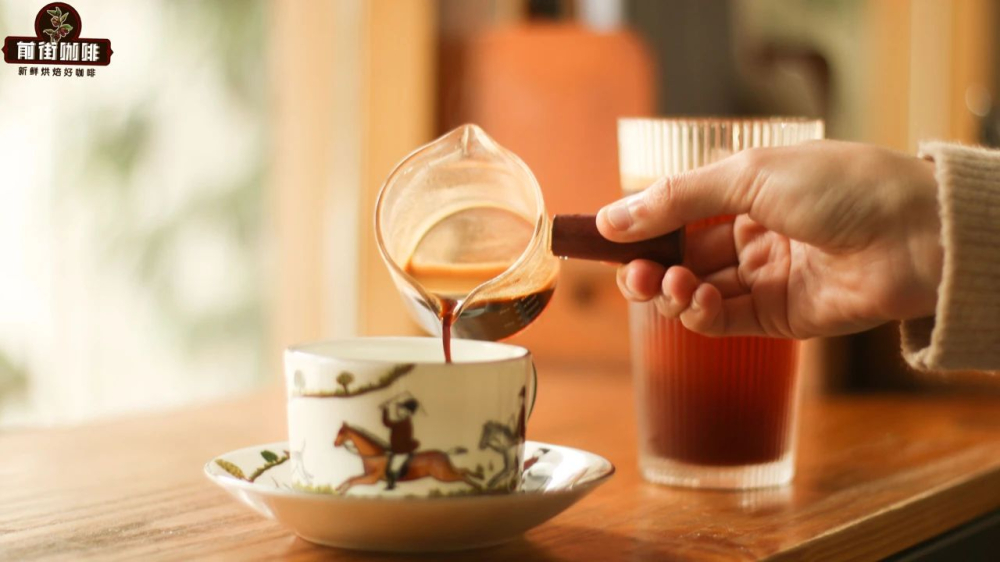
However, what Front Street Coffee (FrontStreet Coffee) wants to say is that whichever you prefer is a choice based on personal taste, with no distinction of good or bad, right or wrong. By the way, besides the iced and hot camps, there are also some friends with rather special positions... just as in the sweet-versus-savory tofu pudding debate there's a third-party "spicy tofu pudding," in Americano, it is...
The above content is compiled by CoffeeHunters, a coffee news website.


