







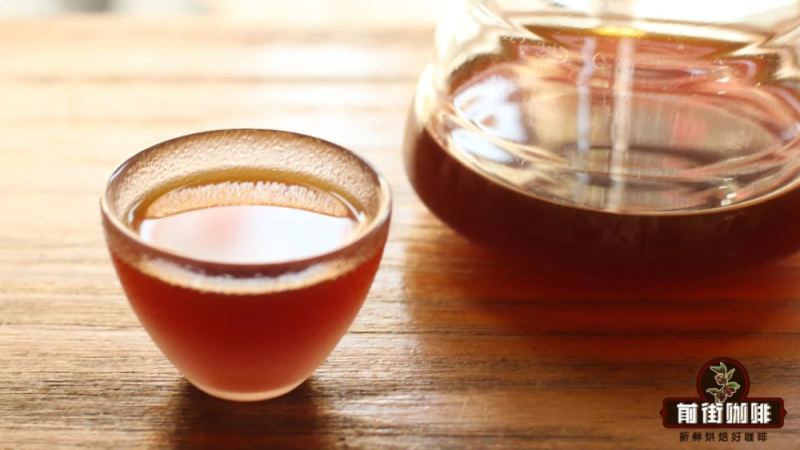
Which pour-over coffee parameters actually matter?
Pour-over coffee is less mysterious than it looks once four core parameters are understood: coffee-to-water ratio, water temperature, grind size, and the bean itself. Ratio and temperature are the easiest to control because both are numbers set with a scale and thermometer. When a cup tastes sour, the cause usually lies in the beans or the grind rather than in some hidden technique.
Flavor descriptors are often borrowed from fruit and wine, but the underlying taste traces back to roast level and extraction. Knowing when to grind coffee beans and how fine the grind should be matters more than 1°C of temperature, since grind affects how fast water moves through the bed. The size of a coffee bean compared with the grinder's burr setting also shapes the result.
Many friends who are just getting into pour-over coffee find it shrouded in mystique, especially when it comes to flavor and the brewing process. In fact, as long as you grasp the core parameters—coffee-to-water ratio, water temperature, grind size, and so on—you can understand why a cup of coffee tastes the way it does. In this article, Front Street will guide you through these seemingly mysterious steps, explaining the brewing parameters and sources of flavor in pour-over coffee from a scientific perspective, making it easier for beginners to get started.
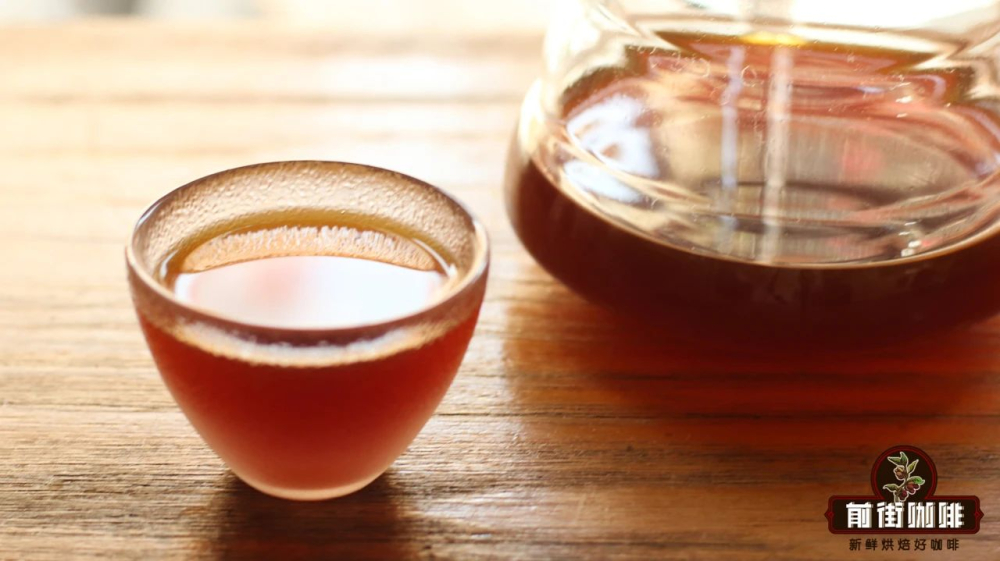
In coffee circles, the so-called "coffee mystique" is nothing new; the most talked-about topics are simply flavor mystique and brewing mystique. Today, Front Street will help you peel back these appearances and see what scientific principles lie behind them.
Flavor mystique usually plays out like this: you take a sip of coffee and taste only a mix of bitterness and acidity, yet the friend sitting next to you rattles off more than a dozen flavor descriptors in one breath, making you question life itself—"Are we drinking the same cup of coffee? Or did you secretly gobble down a fruit feast behind my back?"
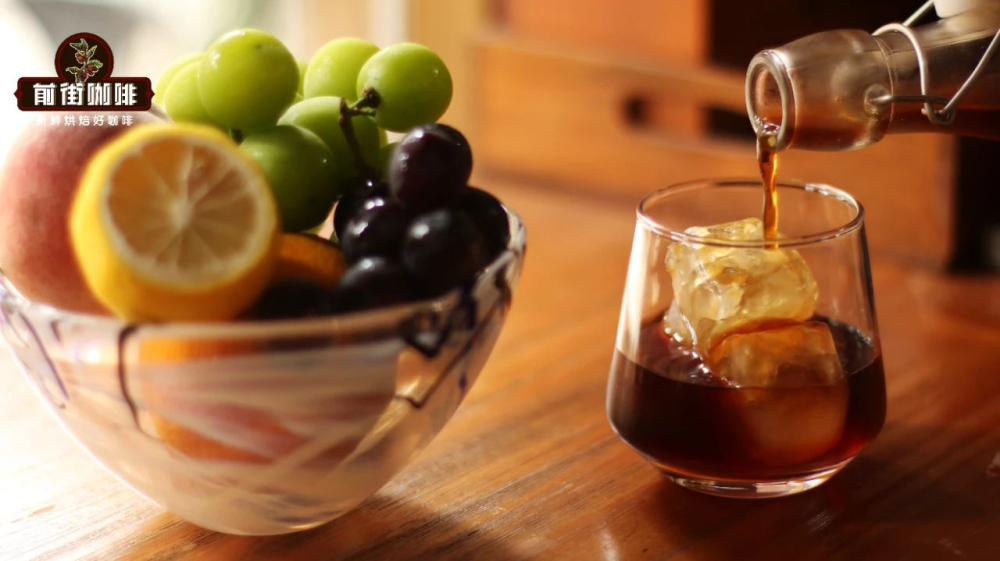
Those who are still not in the know, upon witnessing such a scene, often exclaim: "How impressive, how mysterious, truly unfathomable!"
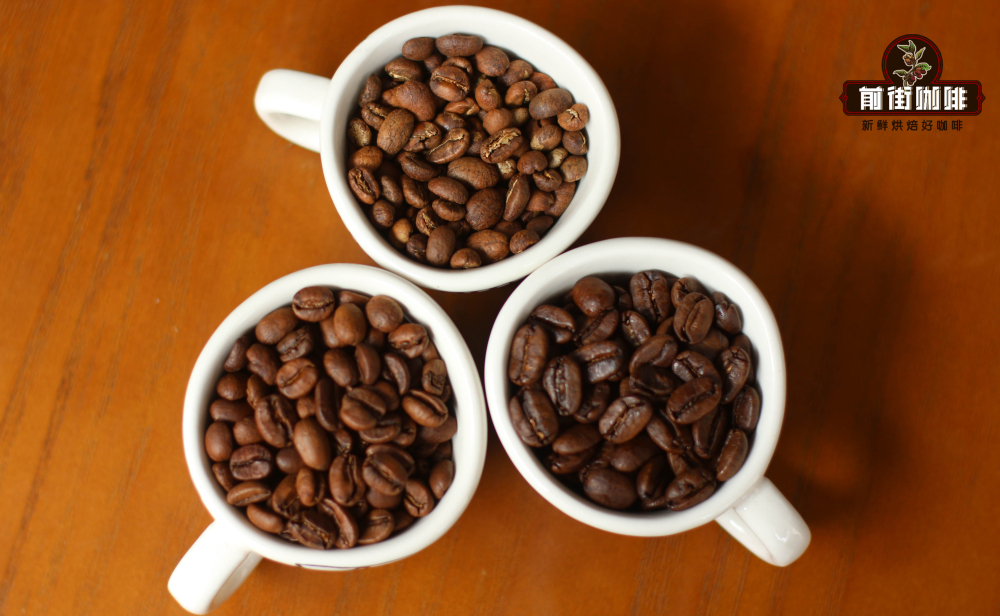
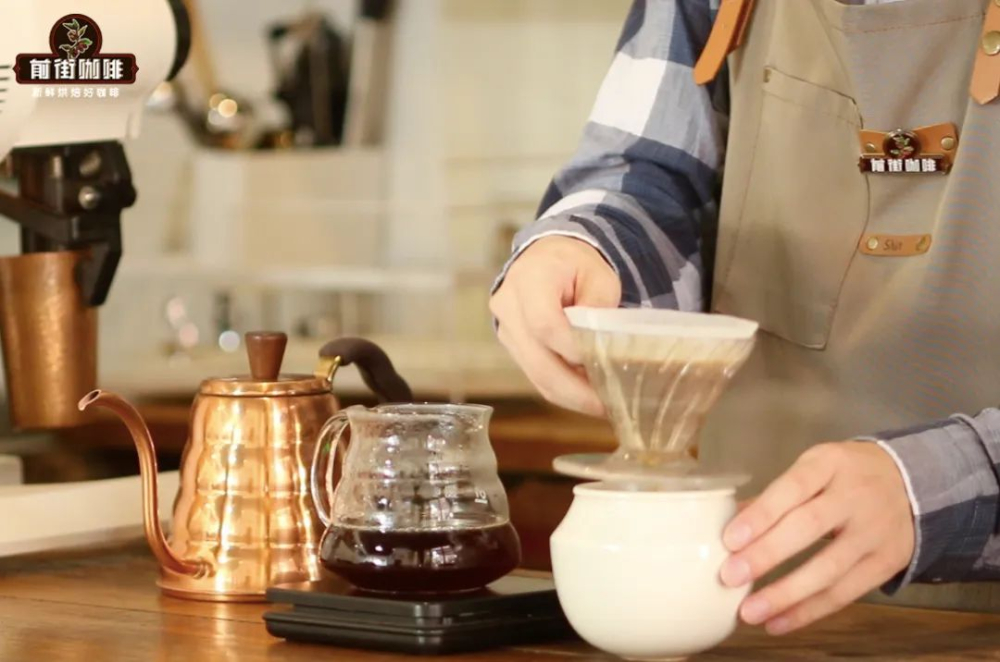
Among all the variables, the coffee-to-water ratio and water temperature are the two easiest to control, because they can both be expressed with specific numbers and precisely managed with a digital scale and thermometer, rarely deviating much in practice. As long as you correctly understand these two parameters, you basically won't fail. Front Street won't go into too much detail here; for a deeper dive, you can click on coffee-to-water ratio and water temperature.
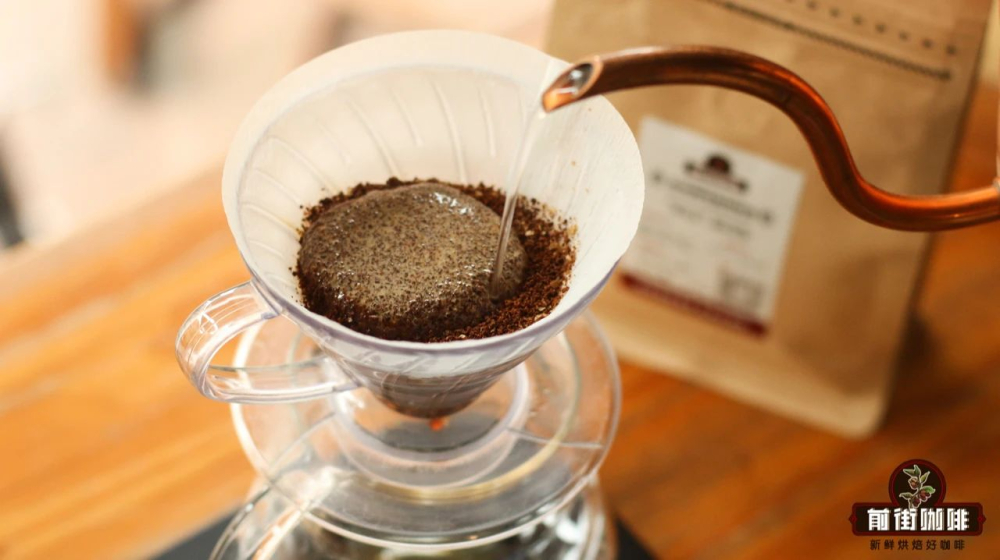
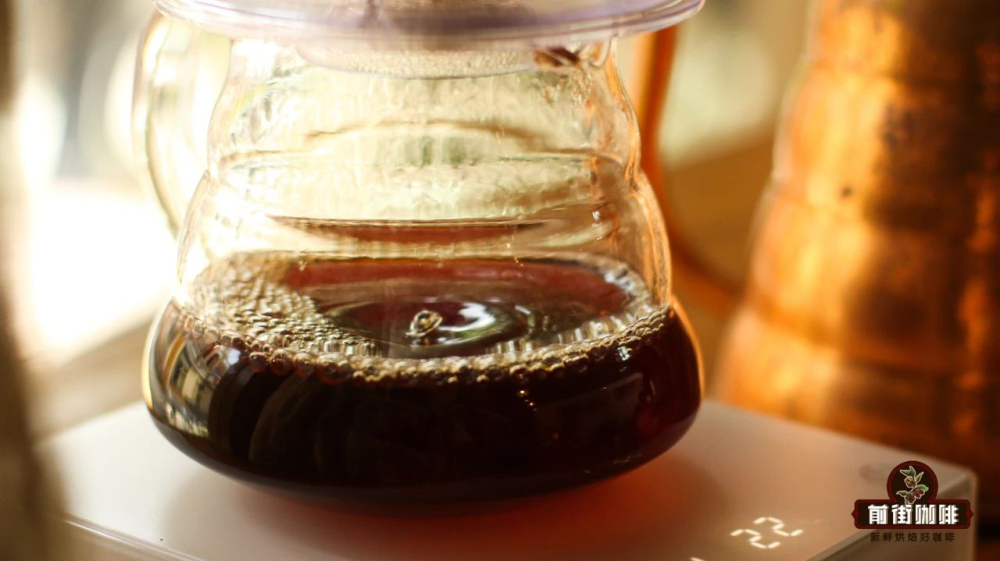
As for why the brewed coffee tastes a certain way, the answer can actually be found in these factors. For example: why does this cup of coffee taste sour? The reason lies in the coffee beans used being a light roast.
The above content is compiled by CoffeeHunters, a coffee news website.


