








When Was Coffee Introduced to China and How Did It Spread?
Coffee reached China well before the 20th century. The earliest Chinese transliteration of the word COFFEE appears in the 1866 book How to Cook Western Food, and for decades the drink stayed largely with Westerners and wealthy urban residents. A recent video of a 105-year-old grandmother in Lishui, Zhejiang, who says she has drunk coffee since age three, has renewed interest in that long history.
Coffee's spread moved from Qing Dynasty ports to Republican-era cafes and then to instant brands. Because caffeine reaches peak blood levels roughly 30 to 60 minutes after drinking, the timing of a cup matters, which is why the grandmother's habit of drinking it two hours after lunch fits common guidance on coffee digestion time. Medical advice still urges caution for children.
Recently, a video of a 105-year-old grandmother in Lishui, Zhejiang, claiming she has been drinking coffee for a century sparked intense debate among netizens. Some questioned how a three-year-old child could drink coffee, while others wondered why someone who has drunk coffee her whole life now drinks instant coffee. Setting aside the controversy, this interview actually traces the century-long history of coffee's spread in China—from "black wine" in the Qing Dynasty to the flourishing cafes of the Republican era, and then to modern medicine's cautious recommendations regarding children's caffeine intake. This article sorts out the development of coffee in China and answers questions such as whether children can drink coffee and why the grandmother drinks instant coffee, helping you view the relationship between coffee and health, habits and tradition more rationally.
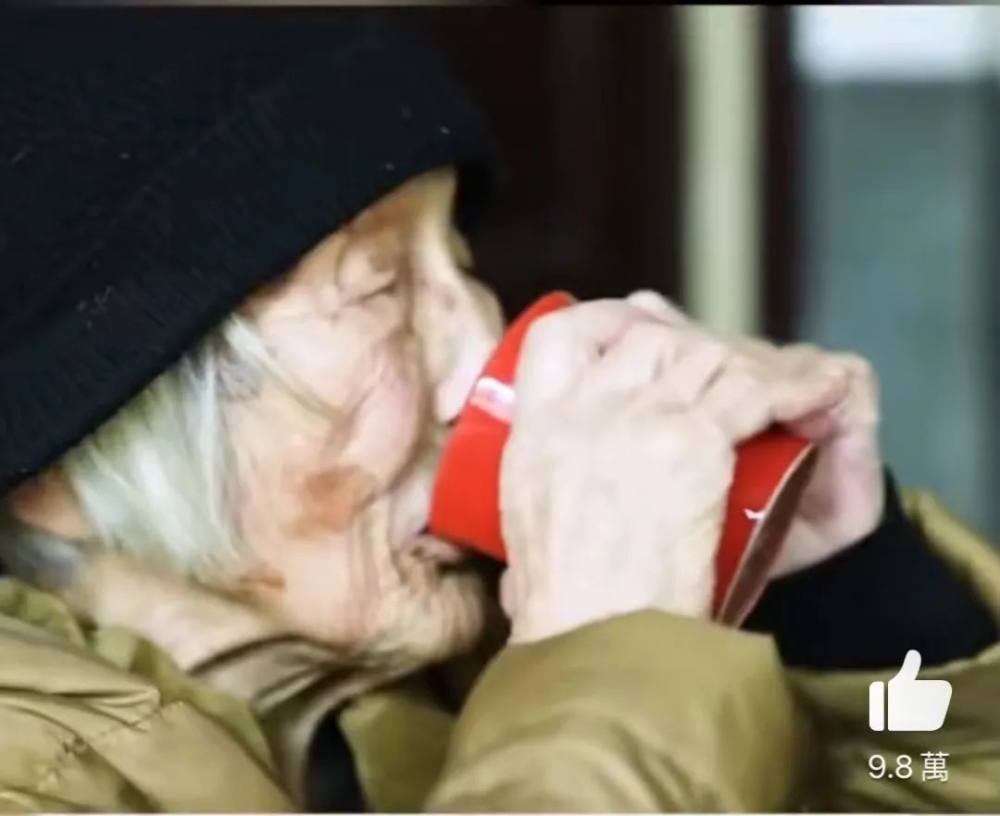
Recently, an interview video about a 105-year-old grandmother in Lishui, Zhejiang, sparked a great deal of discussion online. In the video, the grandmother's son mentioned that his mother had been drinking coffee with foreigners since she was three years old. They found her adorable at such a young age and handed her some to drink, and unexpectedly, she took a liking to it from that first sip. The grandmother said she has been drinking coffee for a hundred years and still keeps the habit of having a cup two hours after lunch. In front of the camera, she also smiled and said she simply loves drinking coffee.
This was originally quite a heartwarming story, but because the video title read "105-year-old in Lishui, Zhejiang drinks a cup of coffee every day," and because the grandmother was holding a cup from a certain instant coffee brand, the comment section quickly exploded.
"You can drink coffee every day for over a hundred years?" "I absolutely don't believe she started drinking coffee every day at three years old." "Someone who's been drinking coffee for over a century now drinks instant coffee?"...
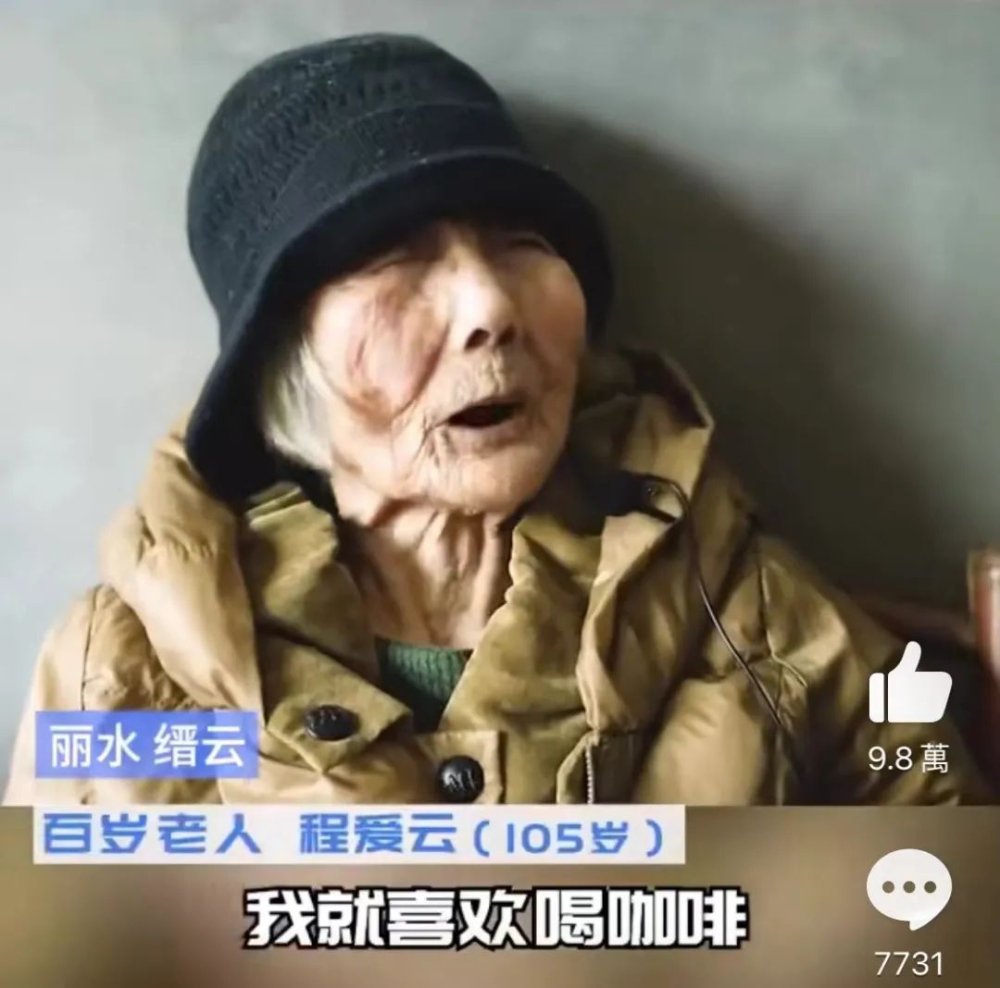
Since neither the grandmother nor her son explicitly stated in the interview that she started drinking a cup of coffee every day over a hundred years ago, we won't discuss that point here for now. But to say that one could encounter coffee a hundred years ago is actually not surprising. Coffee was introduced to China quite early; it was just initially mainly for Westerners. Later, when Chinese people began drinking coffee, it long remained a niche consumption due to its high price.
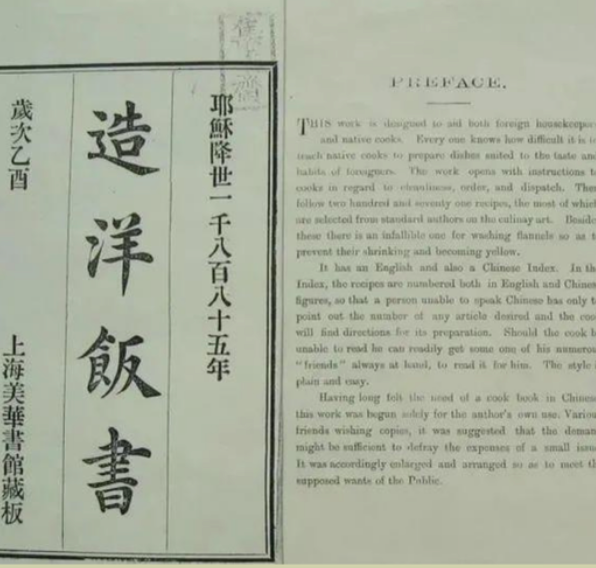
The earliest Chinese transliteration of the word COFFEE appears in the 1866 book "How to Cook Western Food" published by the American Presbyterian Mission Press (which had already moved to Shanghai by then). This was a Western cookbook written in Chinese by Westerners, in which COFFEE was transliterated as "磕肥," mainly to teach Chinese people how to cook meals suited to the tastes of Westerners in China. By the late Qing Dynasty, in newspapers and books, Chinese transliterations of COFFEE were varied; besides "磕肥," there were also "加非," "高馡," "考非," and many other written forms.
However, compared to the Chinese transliteration records of coffee, the appearance of coffeehouses in China came even earlier. It's just that people at the time did not transliterate COFFEE but called it "black wine."
According to the Qing Dynasty playwright Li Dou's "Records of Yangzhou Painted Boats," in the 16th year of the Daoguang reign (1836), a Dane opened China's first coffeehouse near the Thirteen Factories in Guangzhou. At the time, people called it the "black house," and coffee was called "black wine." The "Guangdong General Gazetteer" compiled during the Jiaqing period also mentioned: "Black wine, foreigners drink it after meals, saying this wine aids digestion."
In China, the earliest shop that actually used COFFEE as its sign appeared in Hongkou District, Shanghai, which was then part of the International Settlement, but it was mainly open to sailors. The first coffeehouse open to Chinese people was the "Baoli Coffee Shop," which opened in 1906 on Fuzhou Road in Shanghai. To let more Chinese people know that this shop was open to them, the owner even placed an advertisement in the "Xinwen Bao."
At that time, coffee came in very diverse forms. Besides brewed hot coffee, there were also coffee sugar, coffee juice, coffee syrup, and coffee paste concentrated into blocks, which could be mixed with water or milk according to personal taste when consumed.
By 1917, there were more and more coffeehouses on the streets of Shanghai. From 1917 to 1937, Shanghai's coffee industry entered a period of prosperity. Because coffee was expensive and belonged to niche consumption, coffeehouses were mostly located in residential areas of foreign residents and wealthy merchants as well as bustling commercial districts.
Although the grandmother now lives in Lishui, Zhejiang, her son mentioned in the interview that it was foreigners who gave her coffee, so the grandmother may have lived abroad or in Shanghai in her early years. Being able to develop a coffee-drinking habit, plus having a name full of love, and that line "I just love drinking coffee," suggest that the grandmother's living conditions were probably quite comfortable and that her parents doted on her very much.
"Didn't they say children can't drink coffee? The grandmother started drinking at three—is that possible?" The advice against children drinking coffee was only proposed after modern medicine became advanced. In that era, there were not so many sayings like "this is unhealthy" or "children can't eat that"; everyone just ate whatever was available.
So can children drink coffee or not? According to multiple studies and discussions in modern medicine, the American Academy of Pediatrics recommends that children and adolescents not drink coffee and that their total caffeine intake should be controlled. (Ah! If they don't drink coffee, where does the caffeine come from??) Actually, soft drinks, tea, chocolate, flavored milk, and other things children encounter in daily life all contain caffeine, so besides coffee, parents should pay more attention to their children's intake of other caffeinated foods.
"Someone who's been drinking coffee for over 100 years now drinks instant coffee?" Maybe the grandmother is just using a coffee cup she has used for over a decade, and that cup happens to be from an instant coffee brand. It's also possible that the grandmother drinks coffee more out of habit and doesn't pursue whether it's specialty coffee.
In that era, there was no concept of specialty coffee beans. The coffee beans everyone drank were various varieties blended and then dark roasted, ultimately presenting a rich flavor, which was then mixed evenly with milk and sugar before tasting. So for the grandmother, as long as the effect was the same, any coffee was fine—as long as it suited her.
The grandmother's longevity is of course not because she drank coffee for over 100 years, but more because of her personal constitution and optimistic mindset. Drinking coffee in moderation may indeed help prevent some diseases, but not everyone can handle the stimulation brought by caffeine, so everyone should drink coffee according to their own actual situation.
Image source: Internet, Weibo
For professional coffee knowledge exchange and more coffee bean information, please follow Coffee Workshop (WeChat public account: cafe_style)
For more specialty coffee beans, please add the private WeChat of Front Street Coffee (FrontStreet Coffee), WeChat ID: kaixinguoguo0925
The above content is compiled by CoffeeHunters, a coffee news website.


