







How should Golden Mandheling coffee be brewed at home?
Golden Mandheling from Indonesia's Sumatra region delivers a steady, mellow body with caramel sweetness and chocolate-nut notes. The beans come mainly from Mount Gayo in Aceh and are known for large size, low defect rate and uniform appearance. Home brewers should focus on pour-over grind size, water temperature and coffee-to-water ratio to bring out that heavy, rich character.
Pawani Company sorts the beans with one machine pass plus three rounds of hand-sorting, which lifts quality and price above ordinary Mandheling. The wider Mandheling family includes Lintong, Aceh, Maragogipe, Longberry, Tiger and Diamond types, so labels vary. Golden mandheling coffee stands out as an entry point for anyone wanting the classic Sumatran profile in a clean cup.
Mandheling coffee is the signature flavor of Indonesia's Sumatra region, known for its steady, mellow, rich, and solid mouthfeel. But there are many types of Mandheling on the market, varying from region-based naming to variety and quality grading. Front Street PWN Golden Mandheling, with its strict hand-sorting standards and clean, full-bodied flavor performance, has become the entry choice for many coffee lovers. This article will cover this bean's regional background, quality characteristics, and key parameters such as pour-over grind size, water temperature, and coffee-to-water ratio, helping you brew a mellow coffee with both caramel sweetness and chocolate-nut notes at home.
For more specialty coffee information, welcome to follow our WeChat public account: FrontStreet Coffee
As the saying goes, "The land nurtures its people," and the coffee world is likewise—different origins cultivate their own unique flavor imprints. Among the many producing regions, Indonesian Mandheling is undoubtedly one of the most unforgettable.
Front Street Mandheling coffee presents a steady, mellow, and richly aromatic character, with the solid feel of a classic black coffee, and precisely because of this, it has won the favor of a large number of coffee lovers.
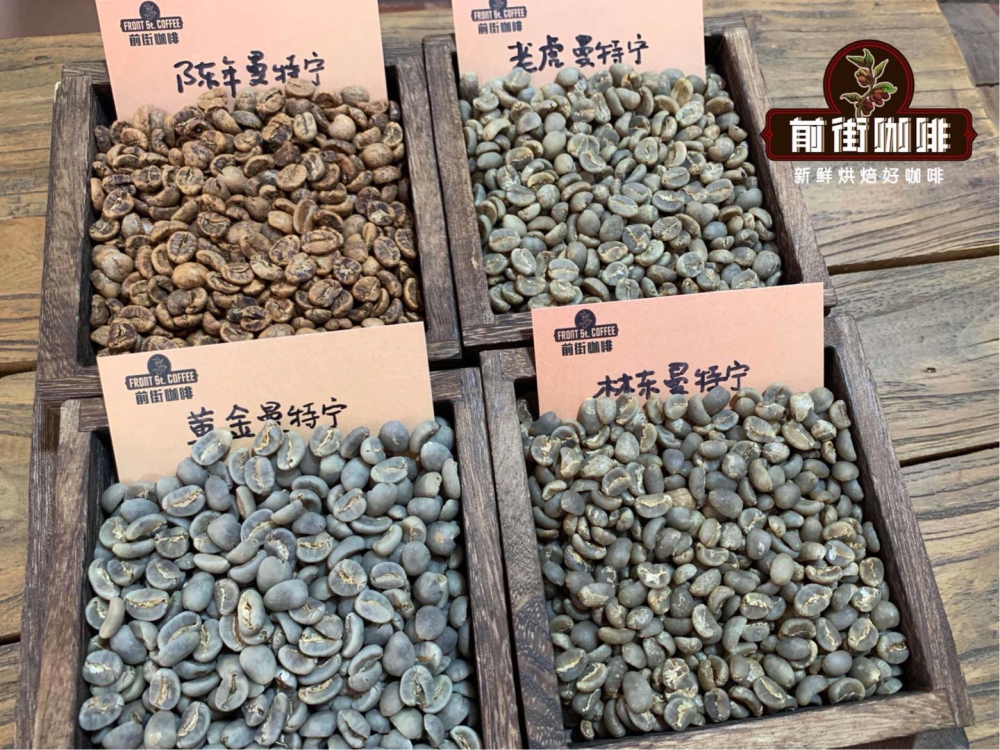
However, the Mandheling family is actually quite large. By region, there are Lintong Mandheling, Aceh Mandheling, and others; by variety as a selling point, there are Maragogipe Mandheling and Longberry Mandheling; and there are also those highlighting flavor quality, such as Tiger Mandheling, Golden Mandheling, and Diamond Mandheling.
While these Mandhelings retain the signature heavy, rich aroma of Mandheling, they have each developed different personalities. If you want to experience the typical flavor of Mandheling, Front Street recommends starting with "Front Street PWN Golden Mandheling" for the following reasons.
Currently, the Golden Mandheling producing region is located on Mount Gayo in Aceh, and most of the outstanding Mandheling on the market comes from this area. The most notable feature of Golden Mandheling is its large beans, low defect rate, and uniform appearance. To meet this standard, Pawani Company uses one machine sorting pass combined with three rounds of manual hand-sorting, greatly ensuring the quality level of Front Street Golden Mandheling—though its price is also higher than ordinary Mandheling.
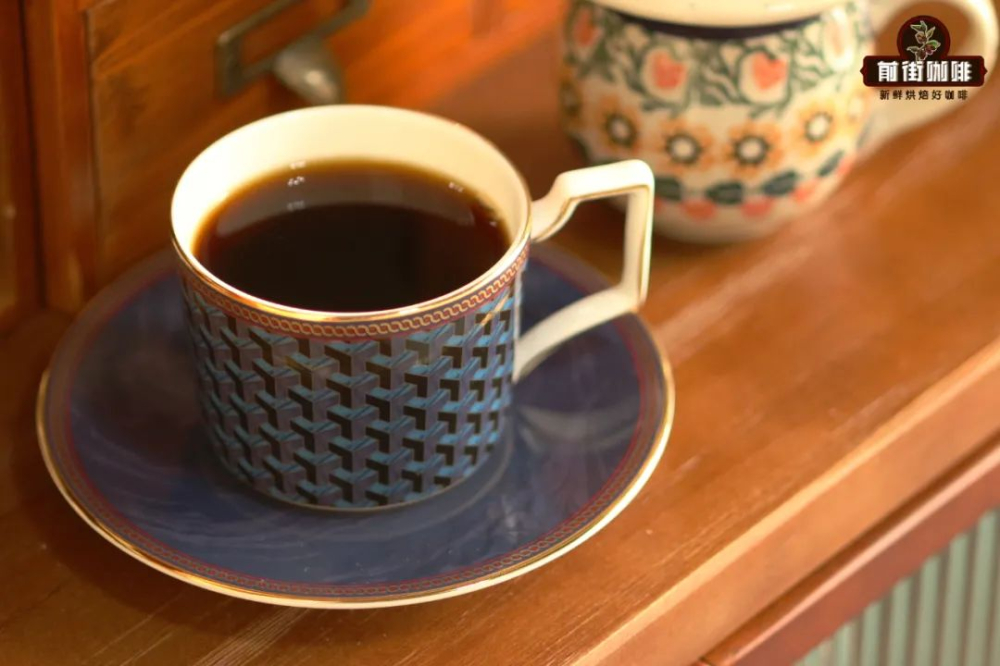
It is precisely because Front Street PWN Golden Mandheling undergoes such strict quality control that its cleanliness, off-flavor control, and body are superior to other Mandhelings. Many friends report that when brewing Mandheling, it easily brings out bitter and muddy flavors, giving them a poor impression of Mandheling. Front Street suggests these friends give this Front Street PWN Golden Mandheling a try.
Front Street needs to add one point here: not all Mandhelings with large beans and few defects can be called Golden Mandheling. The Golden Mandheling trademark belongs to PWN Company. Officially imported Golden Mandheling green beans come with a PWN Company certification certificate (used to verify authenticity), and the burlap sack specification is fixed at 30kg, with each batch having an independent number corresponding one-to-one with the certificate.
Of course, if the brewing technique is improper, Front Street PWN Golden Mandheling can also easily present bitter and muddy flavors. If you are troubled by this, feel free to refer to Front Street's brewing plan.
When brewing Front Street PWN Golden Mandheling, Front Street Jamaica Blue Mountain, and other dark-roasted beans, Front Street recommends using a Kono dripper. It helps enhance the coffee's mellow mouthfeel. If you don't have one on hand, a V60 dripper can be used as a substitute.
Use 15g of coffee grounds per serving. The coffee beans selected are best rested for 4 to 7 days (counting from the roast date as day one), as the flavor performance will be better when brewed at this time.
Regarding water temperature, Front Street recommends keeping it between 87 and 88°C. Many sources of bitter, burnt flavors come from water that is too hot. Of course, water that is too cold will also make the coffee flat and bland.
For the coffee-to-water ratio, Front Street recommends 1:15. Although some brewing methods suggest 1:13 or even a smaller ratio for a richer taste, one of the original intentions of reducing the coffee-to-water ratio is to avoid bitter and muddy flavors in the tail end, which correspondingly sacrifices some of the finish. Front Street believes that as long as the relationship between water temperature and grind size is well coordinated, using a 1:15 coffee-to-water ratio can more completely present the overall flavor layers of Front Street PWN Golden Mandheling.
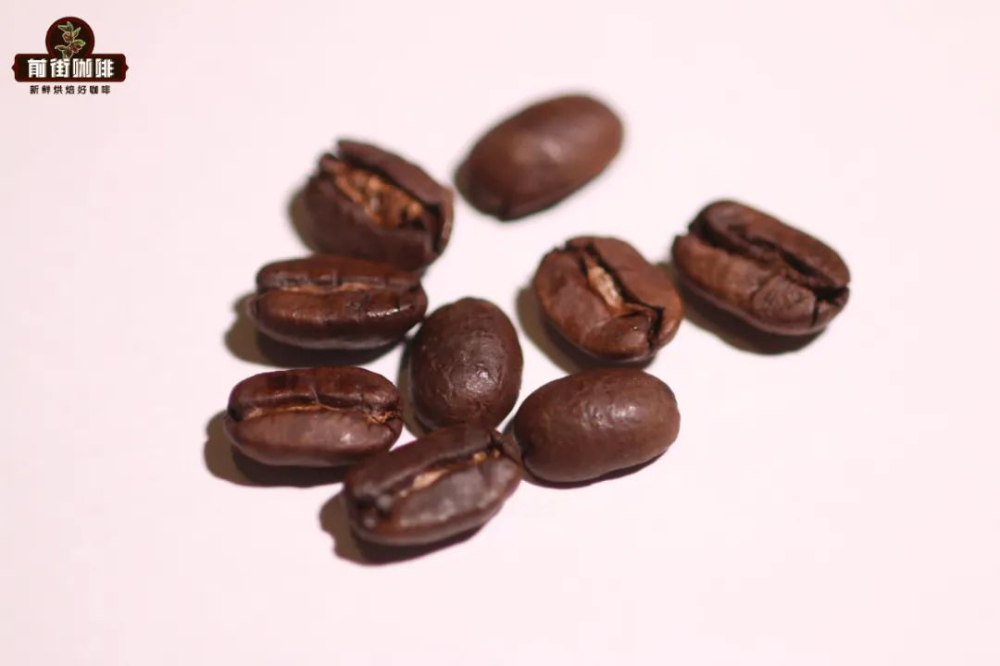
The final pour uses a gentle center pour of 95ml, which can enhance the coffee's sweetness, presenting an overall thick, mellow mouthfeel along with flavors of caramel sweetness interwoven with chocolate and nuts.
This is a relatively simple brewing method that nonetheless highlights the characteristics of Front Street PWN Golden Mandheling. Of course, there are many more interesting and fun brewing methods waiting to be explored.
The above content is compiled by CoffeeHunters, a coffee news website.


