







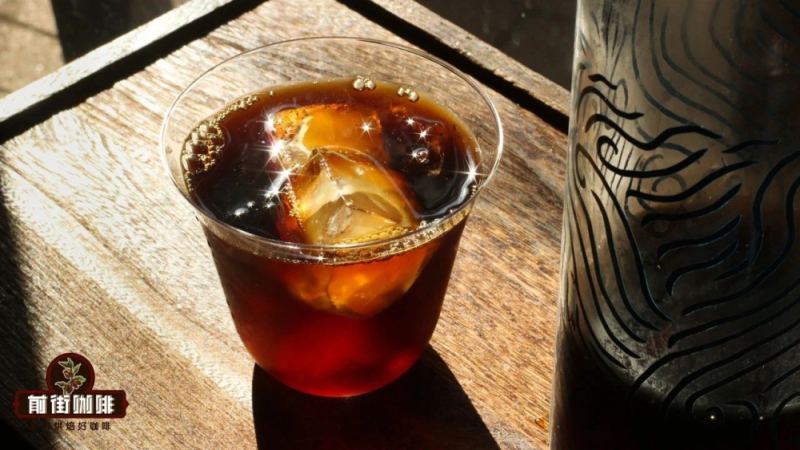
Which Beans Work for Cold Brew, from Mandheling to Yirgacheffe?
Single-origin beans sold for pour-over can all work as cold brew. Light-roasted washed lots such as Yirgacheffe and Boquete Geisha give a crisp cup, light-roasted natural beans give juicy sweetness, and a Mandheling profile brings heavy bitterness and a mellow mouthfeel. The differences come from roast level more than from any dedicated cold brew category.
Cold brew uses cold water and a long steep. There are no strict container rules, so a mineral water bottle works as well as a cold brew pitcher, which keeps equipment costs low. Results depend on grind size, coffee-to-water ratio, pouring method and steeping time, and the bean resting period also shapes how clean and sweet the final cup tastes.
As the weather warms up, cold brew coffee has become the go-to choice for many coffee lovers looking to beat the heat. Compared to ice drip, cold brew has a lower equipment threshold and is more flexible to work with—the key lies in choosing the right beans and managing grind size and steeping rhythm. This article starts from the roast level and processing method of coffee beans, combines several single-origin beans from Front Street Coffee, and offers specific bean selection advice. It also explains cold brew grind standards, coffee-to-water ratio, pouring method, and steeping time, and clarifies the relationship between coffee bean resting period and cold brew flavor, helping you make a clean, sweet-forward cup of cold brew.
For more specialty coffee knowledge, please follow our WeChat official account: Front Street Coffee (FrontStreet Coffee)
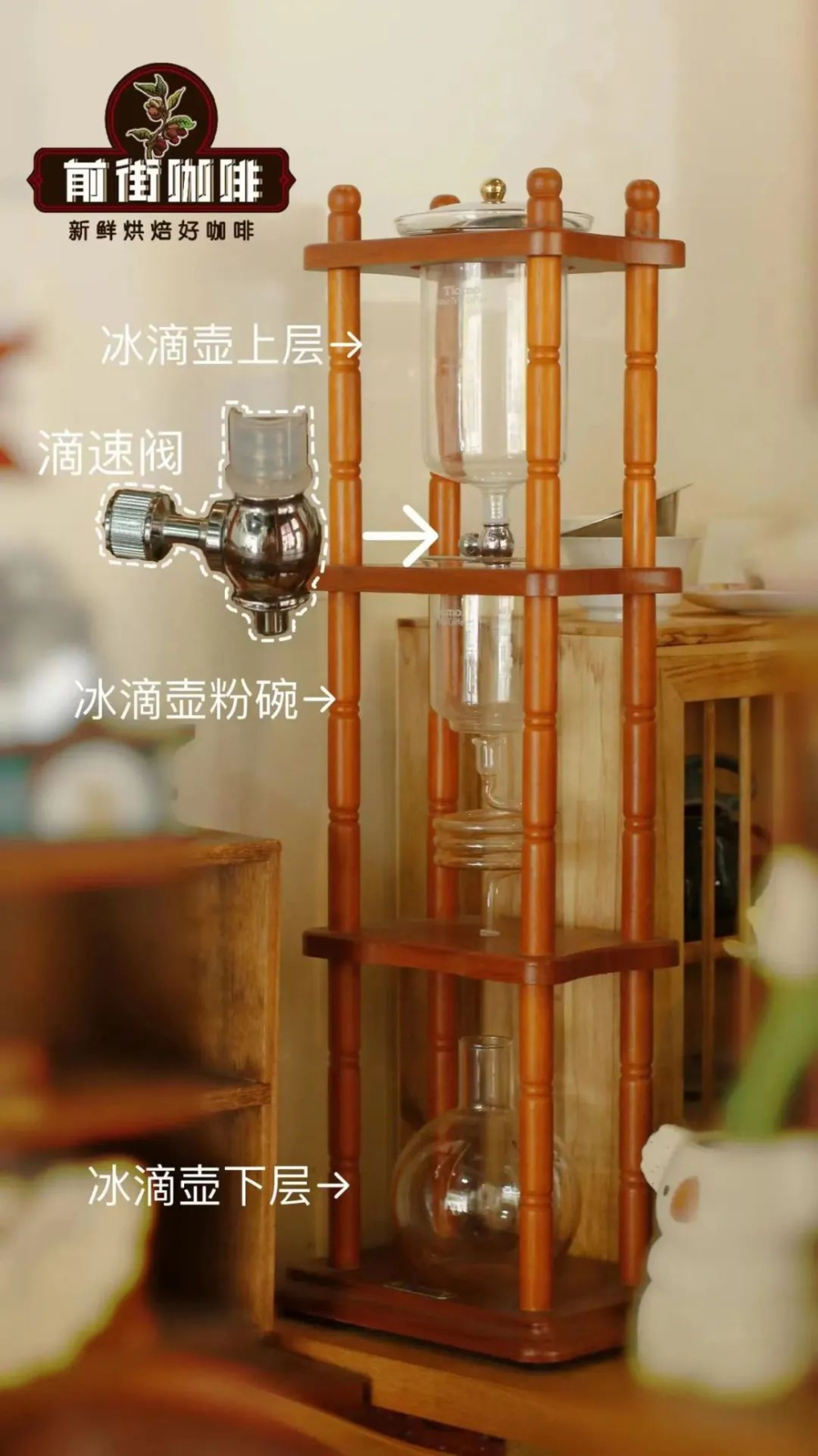
After Awakening of Insects, the weather grows hotter day by day, and people in the Lingnan region have already started figuring out ways to cool off. After chatting with quite a few friends who come to the shop for coffee, I found that the iced coffee they make most often is cold brew. Common iced coffee methods include ice drip and cold brew. Ice drip requires dedicated equipment and you have to watch it regularly to adjust the drip rate, so the cost investment is relatively high.
Cold brew, on the other hand, uses cold water to steep coffee grounds for a long time. There are no strict requirements for the container—a mineral water bottle will do in a pinch, and a professional cold brew pitcher works too. The cost is relatively low and the operation is simple; you just need to get the grind size, water amount, and steeping time right. As for which coffee beans are suitable for cold brew, Front Street's view is that all the single-origin beans on the market labeled for pour-over use can work. From light-roasted Geisha dominated by floral and fruity notes to Mandheling with its heavy bitterness and mellow mouthfeel, each will deliver a different expression when made into cold brew.
Front Street can list some specific options for everyone. If you prefer a crisp mouthfeel, light-roasted washed beans are a good direction, such as Front Street Washed Yirgacheffe, Front Street Boquete Geisha, and Front Street Butterfly. If you want juicy, sweet clarity, then choose light-roasted natural beans, like Front Street Huakui Coffee, Front Street Kenya Little Tomato Coffee, and Front Street Natural Duncan Estate—all are suitable.
If you want to make a memorable cold brew, you can try Front Street Honduras Sherry Coffee, Front Street Costa Rica Mozart Coffee, Front Street Colombia Rose Valley, and Flower Moon Night. If you cannot tolerate acidity at all and only want a balanced "coffee taste," then Front Street Papua New Guinea Bird of Paradise, Front Street Costa Rica Tarrazu, and Front Street Emerald Estate Diamond Mountain would be good choices.
Front Street has also learned some cold brew habits from chatting with friends. Many people, after buying a bag of beans, will first make pour-over while they are fresh, and only use them for cold brew after about a month. This approach has its rationale, because when beans are too fresh, their high carbon dioxide content actually hinders cold water from extracting flavor compounds. After resting for about 20 days, once the gas has mostly escaped, the cold brew actually comes out with richer layers.
But Front Street does not recommend resting the beans too long either, because while gas is escaping, aroma is fading too, and the cold brew will not taste ideal. Generally speaking, keeping beans within 45 days is safer. (Of course, there are exceptions—Front Street once used a 90+ Geisha that had been rested for three months after roasting to make cold brew, and the flavor had barely diminished.)
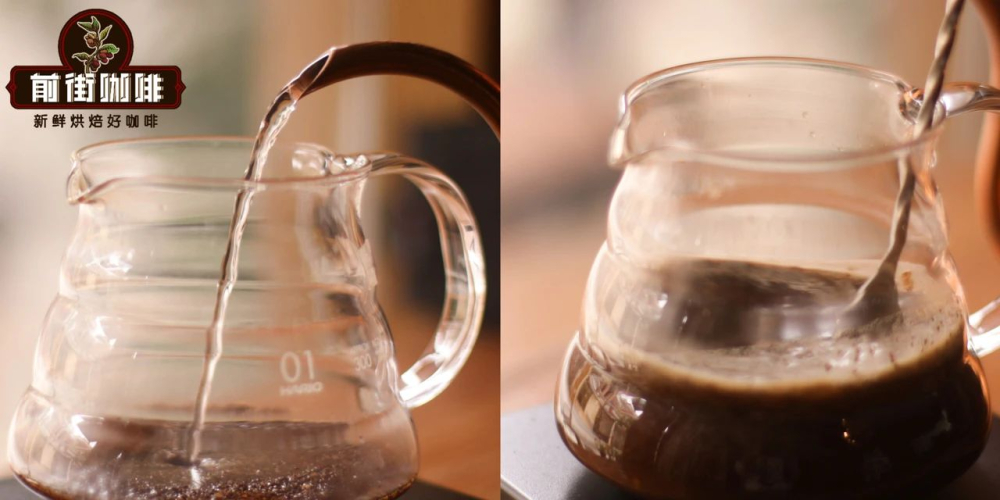
As for the container, a mineral water bottle or glass bottle will both work, as long as the lid can seal tightly. The coffee grind should be finer than for pour-over, about 85% passing through a No. 20 sieve. Using 50 grams of coffee grounds as the base, pour the grounds into a glass bottle, then add 400 milliliters of room-temperature water and 200 grams of hard ice cubes (if you do not have ice on hand, topping up with cold water also works). The coffee-to-water ratio is 1:12. Then use a stirring rod to mix the coffee grounds and water evenly, seal it well, and place it in the refrigerator.
The above content is compiled by CoffeeHunters, a coffee news website.


