







Is coffee a refreshment? Starbucks bets on energy drinks instead
Starbucks announced a partnership with PepsiCo to launch BAYA Energy, three fruit-flavored energy drinks, across the Americas starting March 1. Each 12oz can holds 160mg of caffeine, 90 calories and 90mg of vitamin C, a low-calorie, high-caffeine formula that marks the coffee company's formal entry into the energy drink market.
The move follows U.S. energy drink retail sales rising from about 15 billion USD in 2019 to roughly 16 billion USD by 2020. Starbucks already sells canned black coffee, oat milk coffee and bottled Frappuccino, so BAYA Energy targets caffeine drinkers who dislike coffee flavor and tests whether that brand loyalty carries over.
Starbucks recently announced a partnership with PepsiCo to launch three fruit-flavored energy drinks, BAYA Energy, in the Americas on March 1. Each 12oz serving contains 160mg of caffeine, 90 calories, and 90mg of vitamin C. This low-calorie, high-caffeine drink marks Starbucks' official entry into the energy drink market. Faced with the enticing pie of U.S. energy drink annual sales growing from 15 billion to 18 billion USD post-pandemic, can Starbucks break consumers' loyalty to traditional energy drink brands with its differentiated strategy of low calories and high vitamins? Meanwhile, Starbucks has long been布局 in the ready-to-drink coffee sector, continuously launching new products from canned black coffee to oat milk coffee. This article will deeply analyze the market logic and potential challenges behind Starbucks' cross-industry move.
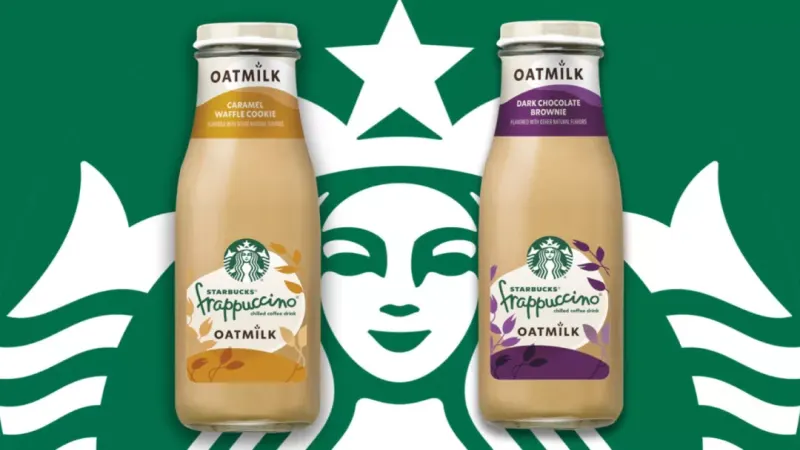
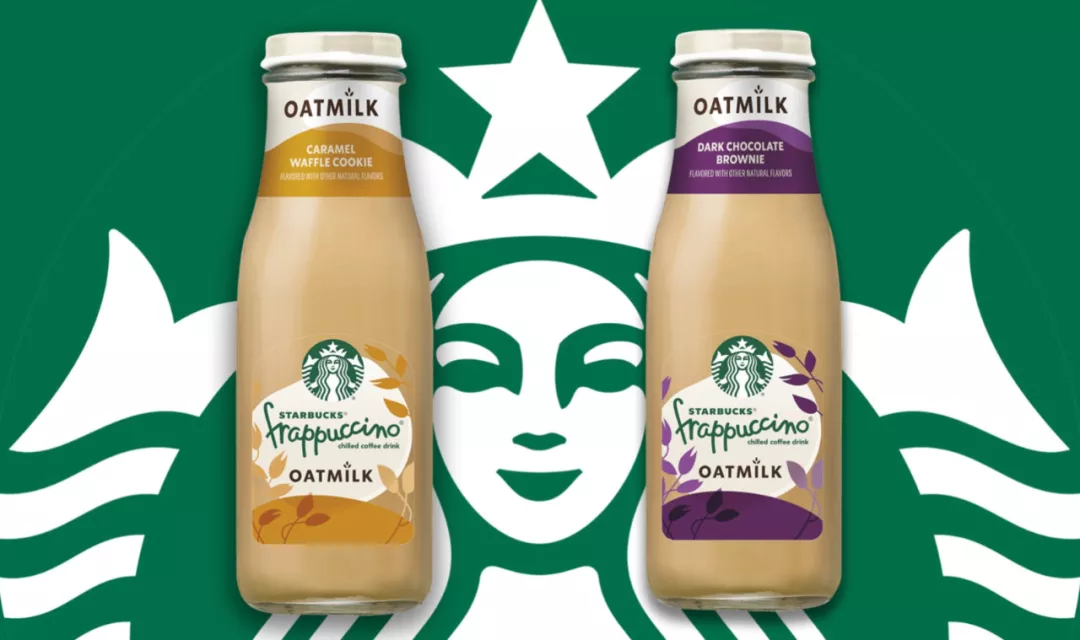
Starbucks has always been precise in grasping consumer tastes. From canned black coffee and canned milk coffee to bottled flavored milk coffee and bottled coffee Frappuccino, its product line has continuously enriched. With the rise of health awareness and environmental concepts in recent years, Starbucks has successively launched plant-based options such as bottled almond milk coffee, soy milk coffee, coconut milk coffee, and oat milk coffee.
In addition to ready-to-drink coffee, Starbucks has also targeted consumer groups that need caffeine but dislike coffee flavor, developing caffeinated energy drinks for them. Yesterday, Starbucks officially announced that starting March 1, three fruit-flavored energy drinks—BAYA Energy—will be available in major supermarkets across the Americas. Jointly developed by Starbucks and PepsiCo, each 12oz provides 90 calories, 90mg of vitamin C, and 160mg of caffeine, positioned as a low-calorie, high-caffeine refreshing beverage.
Regarding why a coffee company is crossing over to sell energy drinks, Chanda Beppu, Vice President of Starbucks Americas Market Development, explained: "We continuously monitor customer consumption trends to determine which products to develop next. Recently, we've noticed a steady upward trend in energy drink sales."
U.S. market data confirms this judgment: after the pandemic outbreak, more and more American consumers are turning to energy drinks. On the retail side, annual energy drink sales were about 15 billion USD in 2019, increasing to about 16 billion USD in 2020, and reaching about 18 billion USD in 2021.
Behind the rapid surge in demand is the multiple pressures brought by the pandemic, leaving consumers in urgent need of quick refreshment solutions. Going out to buy freshly ground coffee is inconvenient, and the caffeine content in ready-to-drink coffee is relatively low (while sugar content is high, making you sleepier if you drink too much). At the same time, more and more coffee brands are entering the ready-to-drink coffee track, intensifying price wars... Coupled with factors like significantly reduced store revenue due to the pandemic, Starbucks gradually feels a "sense of crisis." Walking on only one leg of coffee is clearly not enough, so it wants to "get a slice of the pie" in the energy drink market.
However, "getting a slice of the pie" is easier said than done. American market analysts point out: consumers have high loyalty to energy drink brands, tending to choose big brands or established ones. Although Starbucks is extremely well-known, its influence is mainly in the coffee sector. In the energy drink category, Starbucks is merely a newcomer. Therefore, consumers may not buy it, and ultimately buyers might just be trying it out or originally Starbucks coffee customers.
In early 2020, Coca-Cola also attempted to launch energy drinks in the Americas, but sales were dismal, and it eventually withdrew from the American market in the second half of 2021, with the entire attempt lasting just over a year.
Starbucks is well aware of this, so it specifically切入 from the angles of "low calories" and "high vitamins." They understand that no matter how famous the brand itself is, entering a new market makes it a new brand, and new brands require significant investment and time to build awareness. To attract consumer attention, they must be different. Thus, Starbucks hopes to impress health-conscious consumers with corresponding needs using the "selling point" of low calories and high vitamins.
Even Starbucks feels the coffee business is getting tough... Things are indeed not simple.
Image source: Internet
Professional coffee knowledge exchange. For more coffee bean information, please follow Coffee Workshop (WeChat public account: cafe_style)
For more specialty coffee beans, please add private WeChat Front Street Coffee (FrontStreet Coffee), WeChat ID: kaixinguoguo0925
The above content is compiled by CoffeeHunters, a coffee news website.


