







What Makes Specialty Coffee Beans Different by Origin?
Specialty coffee is defined less by a fixed standard than by personal taste, and origin shapes much of that flavor. Ethiopian beans tend toward floral and fruity notes with a clean, bright cup, Kenyan beans offer thick body and juicy acidity, Colombian beans bring a balanced classic profile, and Mandheling from Sumatra delivers low acidity with a full body and herbal, spice notes.
Choosing among specialty coffee beans comes down to matching a region's character to your preference. Ethiopian selections often show berries, citrus, mango, guava, and black tea with a lasting finish; Mandheling leans toward caramel, herbs, spices, and toast with a clear sweet aftertaste. These beans also work across moka pot, pour-over, espresso, French press, and cold brew.
What kind of coffee beans qualify as specialty coffee? There is actually no standard answer to this question—everyone's taste preference is the deciding factor. Some people prefer the rich fruity acidity of Kenyan coffee, some are fond of the balanced classic style of Colombian coffee, and other enthusiasts are captivated by the floral and lemon acidity of Yirgacheffe, or the herbal, full-bodied depth of Mandheling. This article will start from the flavor differences among producing regions, sorting out the specialty coffee characteristics of Ethiopia, Sumatra, Kenya, and other places, and introduce several representative coffee beans under the Front Street brand, helping you find the cup that suits you among the dazzling array of choices.
If we were to discuss the highest-quality specialty coffee beans, the answers in different people's minds are often quite different, with subjective preference playing a large role. For example, some people prefer the thick body and fruity acidity of Kenyan coffee rather than the classic balanced style of Colombian coffee; some are drawn to the floral and lemon acidity of Yirgacheffe, while others enjoy the herbal and full-bodied flavor brought by Mandheling.
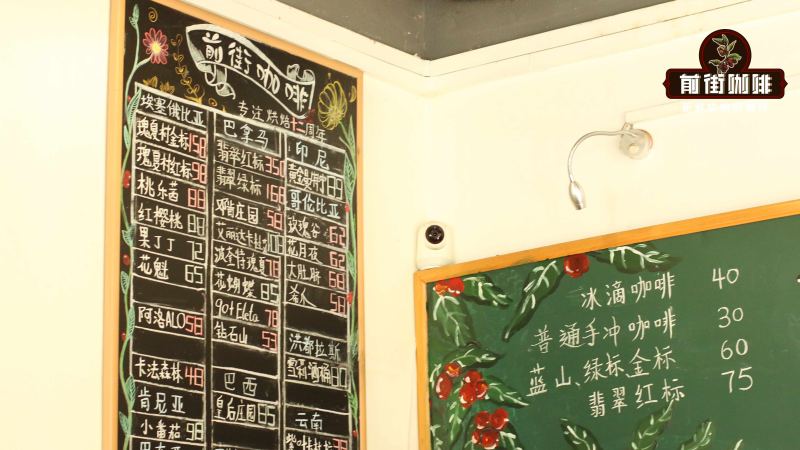
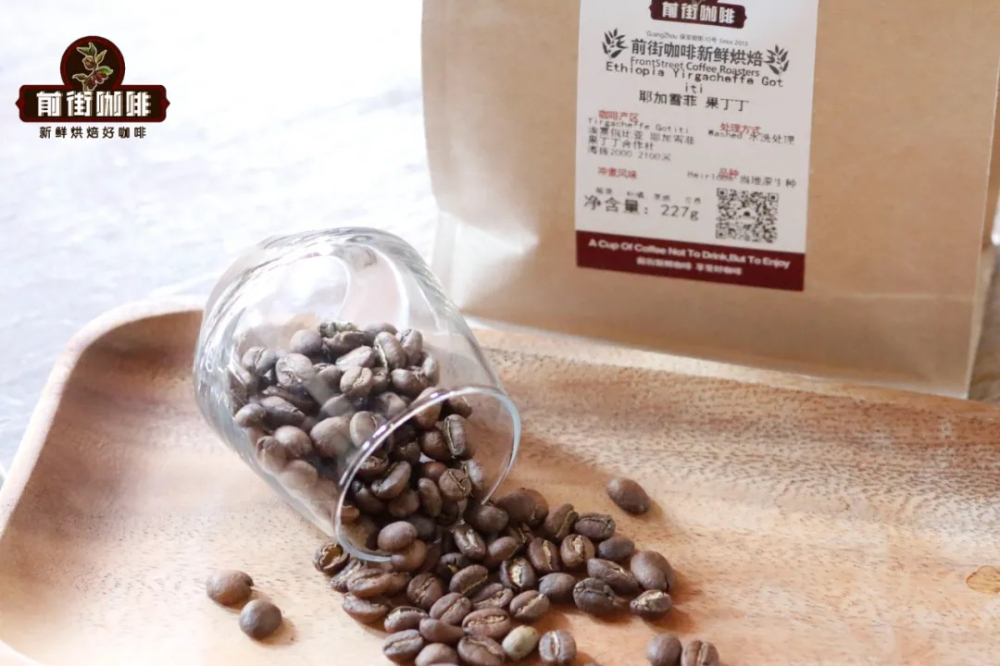
When it comes to recommendations for specialty coffee beans, Ethiopia is a producing region that cannot be avoided. Front Street Ethiopian coffee beans are known for their elegant floral and fruity notes, with a clean and bright flavor and a soft, smooth mouthfeel. Front Street Gudingding, Front Street Red Cherry, Front Street Huakui, and Front Street Gesha Village Red Label are among the selected representatives, and these beans usually present flavors of berries, citrus, mango, guava, and black tea, with a lasting finish; even after drinking, floral notes still linger in the mouth, offering quite a rich layering.
If you are looking for a representative of the full-bodied style, Front Street Mandheling coffee from Sumatra is unmatched. Its acidity is low, its mouthfeel is intense and full, and it is known for complex spice aromas; on the palate you can perceive notes of caramel, herbs, spices, and toast, with a clear sweet aftertaste. This bean is suitable for a variety of extraction methods, including the moka pot, pour-over, espresso machine, French press, and cold brew.
Coffee with a juicy quality is not common, and Front Street Kenyan coffee is the most widely known representative. It can both showcase bright fruity acidity and a full, juicy tactile feel, while also retaining the floral undertones unique to African coffee. The reason Front Street Kenyan Small Tomato Coffee has its unique acidity is inseparable from its processing method. Conventional washed processing selects highly ripe cherries, removes the skin and pulp, and then soaks them in a tank to ferment and break down the pectin; this stage usually does not exceed 36 hours, but in Kenya the fermentation time can reach 72 hours. After fermentation is completed, the beans are then dried until the moisture content drops to 12%, and it is precisely these steps that give the coffee its complex fruity sweetness and acidity.
The above content is compiled by CoffeeHunters, a coffee news website.


