







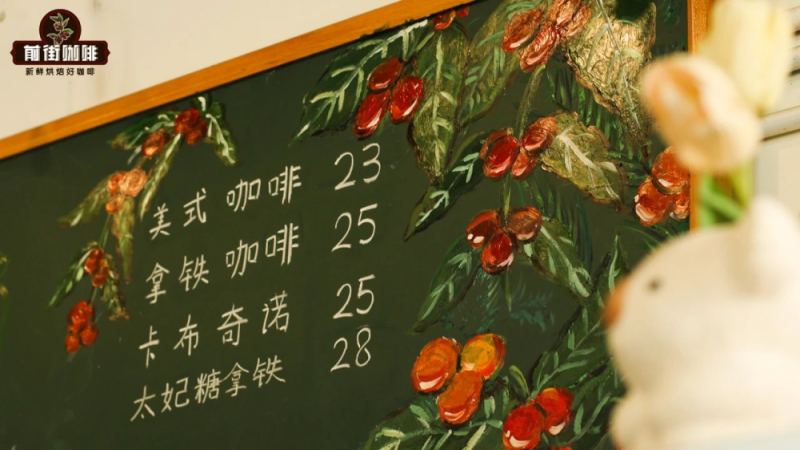
Why americano is bitter compared with espresso
Americano bitterness comes mainly from the espresso base and how far it is diluted. Espresso is a concentrated extraction, and adding hot water stretches that same dissolved material across a larger volume. The bean choice and the extraction method decide how much of that bitterness reads as sharp rather than balanced, which is why home results often differ from a café's.
Americano did not originate in America. It grew out of Italian coffee culture, where espresso was drunk quickly within minutes, often standing, and sold cheaper than takeaway. During World War II, American soldiers in Europe found the intense shots hard to accept and diluted them with hot water. Adjusting the water-to-coffee ratio, or adding fresh milk, softens the bitterness.
Where exactly does the bitterness of Americano come from? And what is the essential difference between it and espresso? Many people brew at home with a coffee machine, yet always feel the taste falls far short of a café's. This article, from the perspective of Front Street, traces the historical thread of espresso, analyzes the birth and evolution of Americano, and takes a deep dive into the key factors that determine whether a cup of Americano is good or bad—the choice of coffee beans and the extraction method. At the same time, we'll also share Front Street's specific parameters for making hot and iced Americanos, and how to balance bitterness by adjusting the water-to-coffee ratio and adding fresh milk, making the coffee richer and smoother. Whether you're a beginner just getting into coffee or an enthusiast seeking to level up, you'll find practical references here.
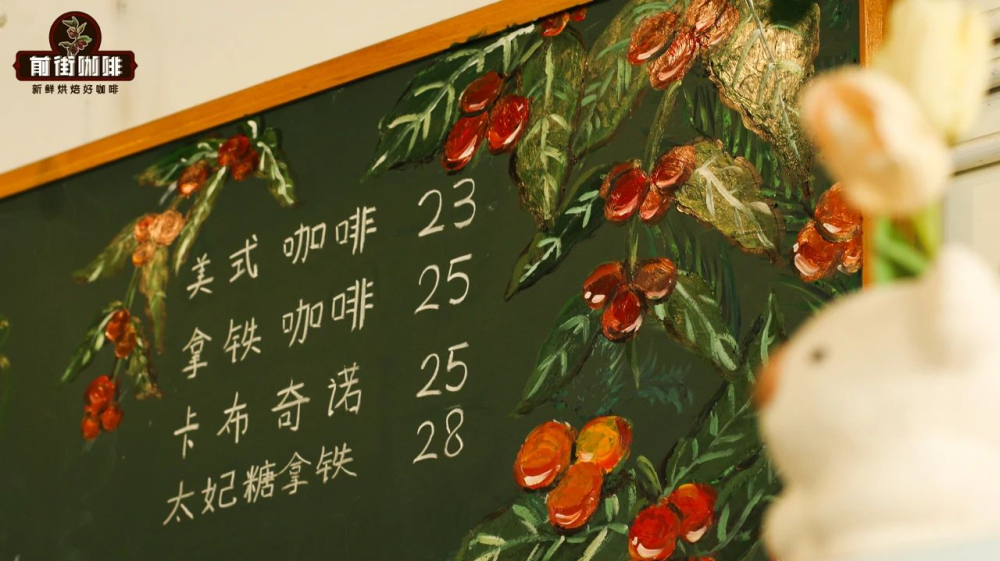
What is the definition of Americano? Can black coffee be equated with Americano? Why does the result from your own coffee machine always differ from a café's? And what does Italian coffee refer to? Today, Front Street will answer these questions for you one by one.
A cup of pure, relatively intense espresso played a core role in the second wave of coffee.
Legend has it that coffee beans arrived in Italy along with fruit and quickly won the favor of locals. In the early twentieth century, brewing equipment underwent major innovation, which not only established the basic form of modern espresso but also integrated the drinking of Italian coffee into Italians' daily lives. Thereafter, as espresso machines continued to improve, the craft of espresso spread from Italy across all of Europe, filling everywhere with coffee fragrance, and ultimately spreading to the rest of the world.
The "es" in espresso is the English "ex," carrying the meaning of fast and convenient. The traditional way of drinking Italian coffee is to finish it quickly within just a few minutes to ensure the flavor doesn't dissipate; at the time, this even gave rise to the fashion of drinking coffee while standing, and the price was also more affordable than takeaway coffee.
Americano actually did not originate in America. Americano最初 was derived from Italian coffee—diluting espresso with hot water creates the Italian-style Americano (Americano). During World War II, American soldiers in Europe found it hard to accept the intense bitterness of espresso, so they added water to dilute the coffee, and the name Americano came about from this.
Within the Italian coffee system, the Americano is merely one variation. What we now know as latte, cappuccino, flat white, Dirty, and so on all belong to the great family of Italian coffee; they present different appearances due to differences in preparation, and thanks to their popularity have become classic drinks on the table.
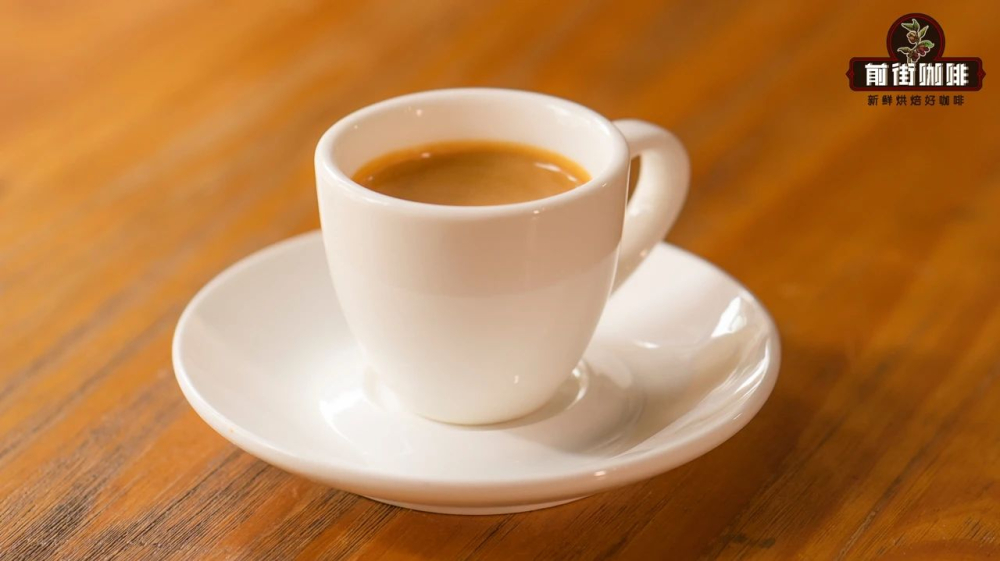
A cup of Americano consists of water and espresso. Because espresso is highly concentrated, it has a strong kick; water is usually colorless and tasteless, serving only to dilute. Therefore, whether an Americano tastes good depends on whether the right coffee beans are chosen and whether the extraction is done properly.
The Americano produced by FrontStreet Coffee uses its own roasted Front Street Sunflower·Warm Sun blend coffee beans. Under ideal extraction, it will display flavors of whisky, vanilla, cream, chocolate, berries, and caramel.
To highlight these aromas, Front Street, after repeated comparisons, finally settled on a ratio of 1:4.5—that is, using 20 grams of coffee powder to extract a double shot of 40g of coffee liquid within 30 seconds, then adding 180g of 80°C warm hot water. A hot Americano made this way is full of whisky aroma, balanced, and with a sweet aftertaste.
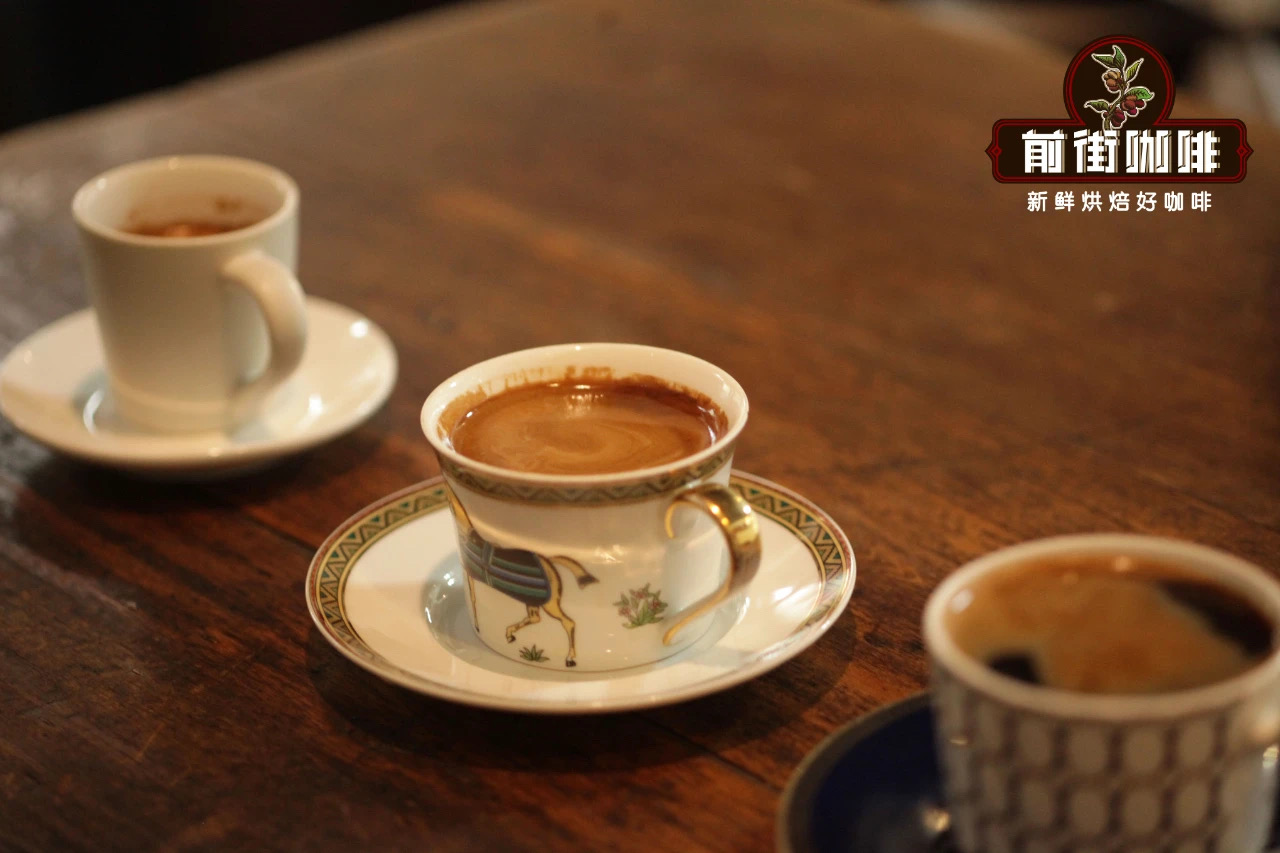
When producing iced Americano, the baristas at FrontStreet Coffee will adjust to 100g of large ice cubes plus 120g of water, with the ratio of coffee, ice, and water falling at 1:2.5:3. An iced Americano made this way has a moderate concentration; drunk directly, it is sweet-and-sour, icy, and refreshing, full of mellow aroma, especially suitable for summer drinking.
For people who can't quite accept bitterness, some customers like to add a little milk to their Americano. This not only neutralizes the coffee's bitter notes, but the richness of the milk also adds a viscous mouthfeel to the whole cup of Americano, making the caramel and chocolate aromas even richer.
For friends who need extra milk, Front Street will adjust the ratio of coffee to hot water to 1:4, first adding 160ml of hot water to the cup, then pouring over 40ml of espresso, and then adding 15ml of fresh milk per 100ml of black coffee, that is, 30ml of fresh milk. In this way, a good result can be achieved in concentration, mouthfeel, and aroma.
The above content is compiled by CoffeeHunters, a coffee news website.


